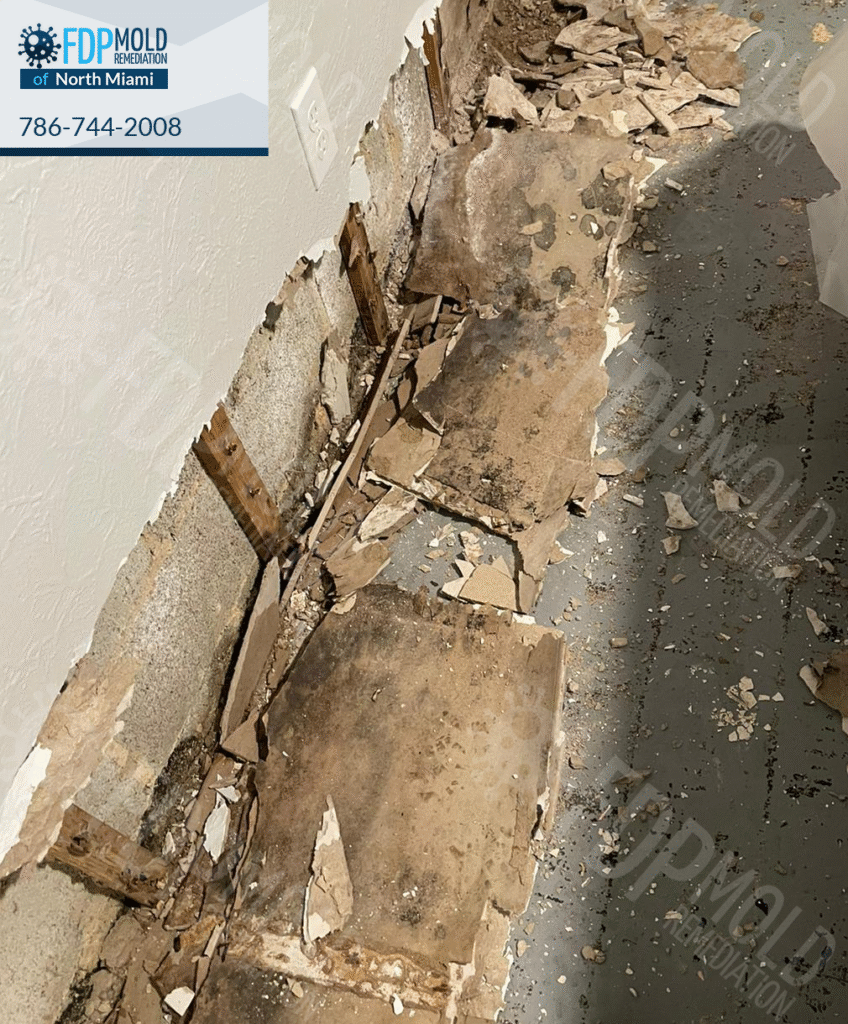
Mold Remediation in Bayfront Homes in North Miami: The Science Behind Moisture and Mold Growth
Bayfront homes in North Miami face a unique set of environmental challenges that make mold a frequent and persistent problem. High humidity, heavy seasonal rainfall, and coastal air create ideal conditions for moisture accumulation, which in turn fosters mold growth. For homeowners, landlords, and property managers, understanding the science of mold and its relationship with moisture is critical to effective remediation, long-term protection, and maintaining a safe indoor environment.
Mold remediation in coastal properties is not simply a cosmetic procedure. It involves identifying sources of moisture, assessing the extent of fungal colonization, and implementing professional cleanup techniques to restore both the structural integrity of a home and its indoor air quality. This guide explores the science behind mold growth, the risks posed to bayfront homes, and best practices for remediation and prevention.
The Science of Mold Growth
Mold is a type of fungus that thrives in moist environments. In homes, mold growth depends on three main factors:
- Moisture: Mold spores require water or high humidity to germinate and reproduce.
- Organic Material: Drywall, wood, insulation, and carpets provide nutrients for mold colonies.
- Temperature: Mold grows optimally in warm environments, which matches North Miami’s climate.
Mold spores are microscopic and present in virtually all environments. When they encounter favorable conditions—especially moisture—they begin to colonize, forming visible growth over time. In bayfront homes, constant exposure to humidity and salt-laden air accelerates this process, making proactive mold management essential.
Common Sources of Moisture in Bayfront Homes
Water intrusion in coastal properties can originate from multiple sources:
- High Humidity and Coastal Air: North Miami experiences consistent high humidity, which can condense on walls, ceilings, and inside HVAC systems.
- Storm Water and Flooding: Hurricanes and tropical storms drive water into homes, often reaching crawlspaces, attics, and basements.
- Air Conditioning Condensation: AC systems, particularly older units, may leak or fail to remove sufficient moisture from the air, creating damp surfaces.
- Roof Leaks and Window Seals: Aging roofs and poorly sealed windows allow rainwater penetration.
- Plumbing Leaks: Pipes hidden behind walls or under floors can gradually saturate materials, often unnoticed until mold growth begins.
Identifying the source of moisture is the first critical step in successful mold remediation.
Signs That Mold May Be Present
Homeowners may not always see mold immediately. Some common indicators include:
- Visible Growth: Black, green, or white patches on walls, ceilings, or under sinks.
- Musty Odors: Persistent damp smells, particularly in attics, closets, and bathrooms.
- Health Symptoms: Allergic reactions, asthma flare-ups, or respiratory irritation may suggest airborne spores.
- Water Damage Indicators: Stains, warping, peeling paint, or soft spots in walls or floors.
Early detection through both observation and professional inspection reduces the cost and complexity of remediation.
Why DIY Mold Removal Often Fails
Many homeowners attempt to clean mold themselves, but this approach has limitations:
- Hidden Growth: Mold often grows behind walls, inside ducts, or beneath flooring, which cannot be reached with household cleaners.
- Incomplete Removal: Surface cleaning may remove visible mold but leave spores that can regrow.
- Health Risks: Disturbing mold without proper protective equipment can release spores into the air, exacerbating exposure.
- Moisture Sources Persist: Without addressing underlying moisture, mold will return, regardless of cleaning efforts.
Professional remediation ensures that both mold and moisture sources are addressed thoroughly.
Professional Mold Remediation Process
1. Inspection and Moisture Assessment
Professionals conduct detailed inspections using:
- Moisture meters to measure hidden dampness
- Thermal imaging to detect water intrusion behind walls
- Air and surface sampling to identify mold species and concentrations
This stage determines the extent of contamination and guides the remediation strategy.
2. Containment
Containment prevents spores from spreading during cleanup:
- Sealing off affected areas with plastic sheeting
- Using negative air machines to create controlled airflow
- Ensuring unaffected areas remain safe for occupants
3. Removal of Contaminated Materials
Porous materials heavily colonized by mold, such as drywall, insulation, or carpets, may require removal and replacement. Non-porous surfaces can be cleaned with specialized antimicrobial solutions.
4. Cleaning and Air Filtration
HEPA vacuums and air scrubbers remove residual spores from the environment. Professional cleaning ensures that hidden mold colonies do not remain within ventilation systems or wall cavities.
5. Drying and Moisture Control
Drying is essential to prevent recurrence:
- Dehumidifiers and industrial fans lower humidity levels
- Repairs to plumbing, roofing, or HVAC systems address ongoing moisture issues
- Continuous moisture monitoring confirms that materials remain dry
6. Post-Remediation Inspection
After remediation, professionals verify:
- Indoor air quality has returned to safe levels
- Surfaces and structural materials are free of mold spores
- Moisture sources have been properly mitigated
Documentation and testing provide property owners with assurance and support for insurance claims.
Preventive Measures for Bayfront Homes
Even after remediation, preventive actions help maintain a mold-free environment:
- Control Indoor Humidity: Use air conditioning and dehumidifiers to maintain indoor humidity below 55%.
- Routine AC and HVAC Maintenance: Clean condensate lines and inspect for leaks.
- Prompt Leak Repairs: Address plumbing, roof, and window leaks immediately.
- Ventilation: Ensure attics, crawlspaces, and closets have adequate airflow.
- Regular Professional Inspections: Annual mold inspections can identify moisture issues before they become serious.
These measures are particularly important in coastal properties where high humidity and salt air increase the risk of mold growth.
Challenges Specific to Bayfront Homes
North Miami’s bayfront homes face environmental and structural challenges:
- High Humidity: Constant moisture promotes rapid mold growth.
- Salt Air Exposure: Corrodes metal components and may affect HVAC efficiency.
- Older Construction: Homes with slab foundations or aging materials may trap moisture more readily.
- Storm Risk: Heavy rain and hurricanes can cause repeated water intrusion.
Addressing these challenges requires a combination of technical expertise, local experience, and proactive maintenance.
The Role of Professional Expertise
Mold remediation is not a DIY task. Professionals bring:
- Technical knowledge of moisture detection and mold species
- Specialized equipment for safe containment and removal
- Guidance on long-term prevention
- Local experience with coastal environmental challenges
Tip Top Water and Fire Damage Restoration has extensive experience in bayfront North Miami properties, ensuring comprehensive remediation and lasting results.
Financial and Health Implications of Untreated Mold
Neglecting mold remediation can lead to:
- Structural deterioration of walls, flooring, and ceilings
- Health issues from prolonged exposure to spores
- Increased restoration costs due to secondary damage
- Reduced property value and potential insurance complications
Investing in professional remediation and preventive strategies protects both home and occupant well-being.
Final Thoughts
Mold remediation in bayfront homes in North Miami is a science-driven process that addresses both visible and hidden contamination. Moisture control is central to preventing fungal growth, while professional inspection and cleaning ensure thorough restoration. Homeowners who understand the relationship between moisture and mold, act promptly when issues are detected, and engage experienced professionals can maintain safe, healthy, and resilient waterfront properties.
In coastal North Miami, proactive mold management is not just about aesthetics—it is a critical step in protecting property value, indoor air quality, and the long-term durability of bayfront homes.