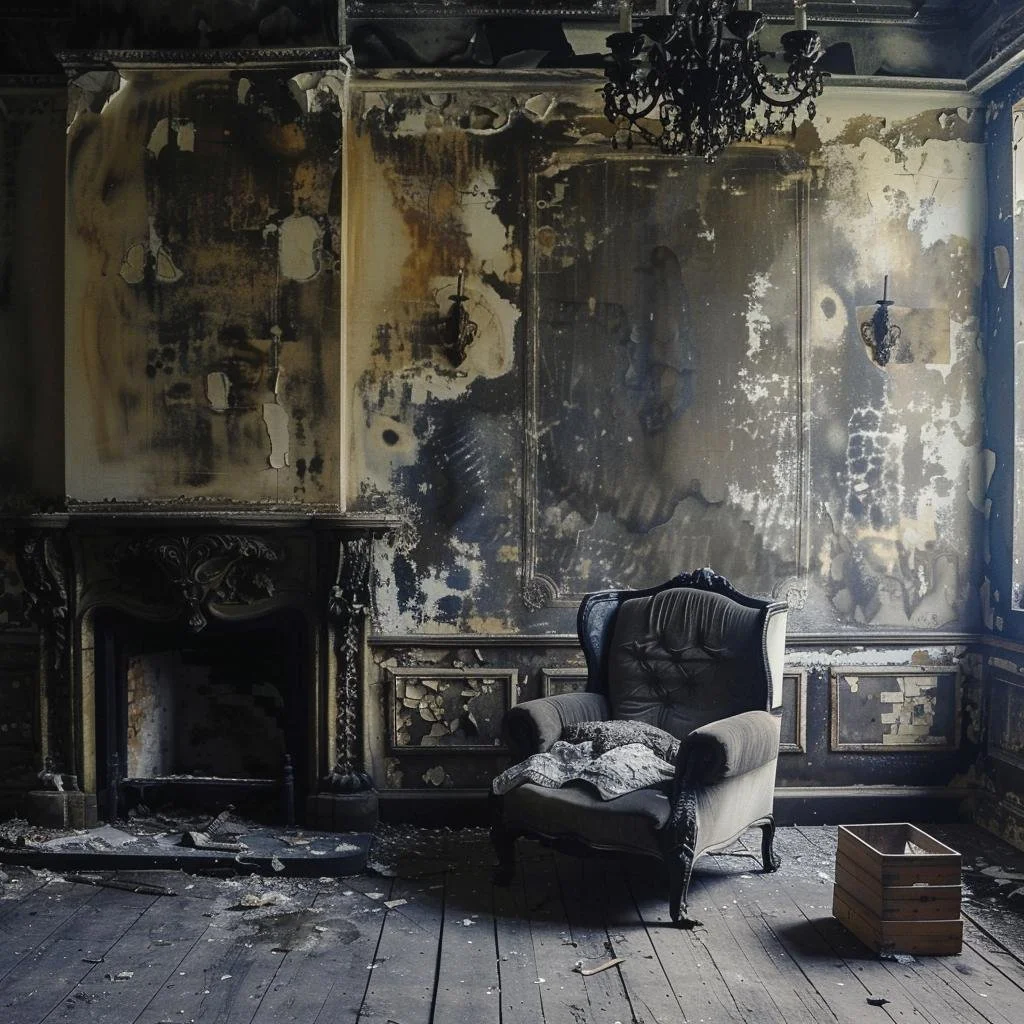
Preventing Future Problems: Smoke Damage Cleanup in Surfside
Smoke damage is often underestimated, especially when a fire appears small or contained. In Surfside and nearby coastal communities, homeowners sometimes focus on visible soot or burned materials while overlooking the long-term effects of smoke residue and odor. Unfortunately, smoke particles can travel through vents, settle into porous materials, and cause damage that continues weeks or even months after the incident.
Understanding how smoke damage cleanup works—and why it matters—can help property owners prevent long-term structural and air-quality problems.
What Smoke Damage Really Is
Smoke damage goes far beyond what is visible on walls or ceilings. When materials burn, they release microscopic particles that spread through the air and settle in unexpected places.
Smoke residue can affect:
- Walls and ceilings
- Carpets and upholstery
- Air ducts and HVAC systems
- Curtains and insulation
- Wooden surfaces and cabinetry
In many homes, smoke travels far beyond the original fire location, especially when air conditioning systems continue running during or after an incident.
Why This Happens So Often in Surfside
Surfside’s coastal environment plays a significant role in how smoke damage behaves after a fire. High humidity levels allow soot and smoke residue to adhere more strongly to surfaces. Moist air can also cause residues to become sticky, making cleanup more difficult if not addressed quickly.
Other local factors include:
- Compact building layouts that allow smoke to spread easily
- Shared ventilation in multi-unit buildings
- Salt air that accelerates corrosion when soot is present
- High indoor humidity slowing the drying process
Nearby areas such as Bal Harbour, North Miami Beach, and Sunny Isles Beach experience similar conditions, especially in properties close to the coastline.
Common Signs Homeowners Notice
After a fire, the obvious damage is easy to see, but some signs of smoke damage appear later.
Homeowners frequently notice:
- Persistent smoky or burnt odors
- Yellow or gray staining on walls or ceilings
- Residue around vents or light fixtures
- Discoloration on ceilings or trim
- Irritating indoor air quality
These signs often worsen over time if smoke particles remain embedded in materials.
Hidden or Overlooked Sources of Smoke Residue
Smoke particles are extremely small and can travel into areas homeowners rarely inspect.
During cleanup assessments, residue is often found in:
- Inside air ducts
- Behind baseboards
- Inside closets and cabinets
- Attic insulation
- Carpet padding and subflooring
In coastal homes, humidity can reactivate odor-causing residues, meaning smells may return even after basic cleaning.
Why DIY Smoke Cleanup Usually Fails
It’s common for homeowners to try wiping soot from surfaces or using household cleaners. While this may improve appearance temporarily, it rarely removes embedded particles.
DIY cleanup often fails because:
- Standard cleaners smear soot rather than remove it
- Odor particles remain in porous materials
- Air ducts are not cleaned
- Moisture and humidity reactivate residues
- Hidden contamination is missed
Improper cleaning can even spread soot further into surfaces, making professional restoration more difficult later.
Professional Inspection & Testing Explained
A thorough smoke damage inspection helps determine the extent of contamination and which areas require cleaning or restoration.
Professional assessments typically include:
- Visual inspection of affected areas
- Odor detection in hidden spaces
- HVAC and duct system checks
- Surface residue testing when necessary
- Evaluation of materials that may need replacement
In Surfside homes, inspections often reveal smoke residue in areas far from the original fire, especially in ventilation systems and attic spaces.
Proper Smoke Damage Cleanup Process
Professional smoke cleanup is a multi-step process designed to remove both visible residue and odor-causing particles.
Typical steps include:
- Removing loose soot with specialized equipment
- Cleaning surfaces with appropriate restoration solutions
- Deodorizing affected materials
- Using air filtration devices to remove airborne particles
- Cleaning HVAC systems and ducts when needed
- Verifying that odors and residues are eliminated
Each stage plays a role in preventing long-term problems, especially in humid coastal environments.
Tip Top Water and Fire Damage Restoration often encounters situations where partial cleaning left behind odor sources that later reappeared. Thorough cleanup and drying are essential to avoid these recurring issues.
Water Damage and Secondary Effects
Fire incidents are often followed by water exposure from firefighting efforts. This combination of smoke and moisture creates ideal conditions for mold growth if drying is incomplete.
Secondary issues may include:
- Damp drywall or insulation
- Mold growth in concealed spaces
- Warped flooring or cabinetry
- Persistent humidity indoors
Restoration professionals typically address both smoke and moisture to prevent these long-term complications.
Air Ducts, AC Systems & Lingering Odors
Air conditioning systems can circulate smoke particles throughout a home. If ducts are not cleaned, residues may continue to spread odors long after surfaces appear clean.
During restoration work in Surfside, it is common to find soot buildup inside:
- Supply and return ducts
- Air handler compartments
- Vent grilles
- Insulated ductwork in attic areas
Cleaning these systems is often essential for restoring indoor air quality.
How to Prevent Future Smoke Damage Problems
Preventing long-term issues requires quick and thorough action after any fire or smoke event.
Helpful steps include:
- Scheduling cleanup as soon as possible
- Ensuring HVAC systems are inspected
- Replacing heavily contaminated materials
- Improving ventilation during restoration
- Monitoring humidity levels indoors
- Addressing water damage immediately
Even small fires can leave residues that continue to affect a home if not properly removed.
Why Local Experience Matters
Restoration work in coastal South Florida requires an understanding of how humidity and salt air affect smoke damage.
Professionals familiar with Surfside, Biscayne Park, and North Miami understand:
- How humidity affects soot adhesion
- How coastal airflow spreads particles
- Where hidden contamination is most likely to occur
- Which materials in local homes are most vulnerable
Tip Top Water and Fire Damage Restoration has worked extensively in these communities, where smoke and moisture often combine to create unique restoration challenges.
A Calm, Practical Next Step
Smoke damage doesn’t end when the fire is extinguished. Residue, odor, and hidden contamination can remain long after visible damage is gone. Addressing cleanup thoroughly and early is the most effective way to prevent future problems.
For homeowners in Surfside and surrounding coastal neighborhoods, careful inspection and proper restoration protect both the structure of the home and the quality of the air inside it. Acting sooner rather than later makes recovery faster and helps avoid complications down the road.