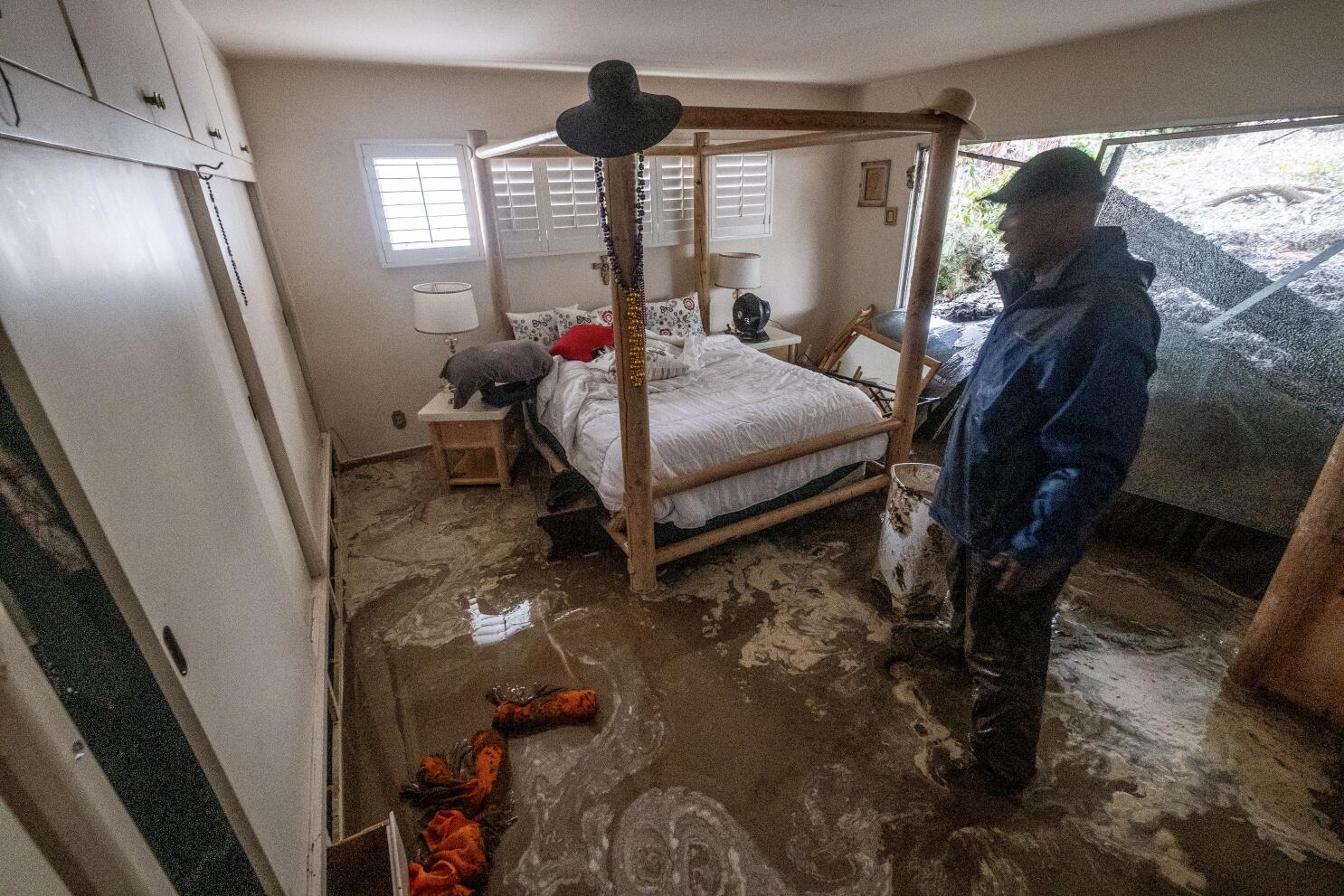
Why Flood Restoration Becomes Necessary in Bayfront Homes in North Miami High-Rise Condos
Flooding is not just a ground-level problem. In North Miami’s bayfront areas, high-rise condos experience water damage more often than many residents expect. A single plumbing failure, storm-driven rain, or drainage issue can affect multiple floors, spread through walls, and damage structural materials before the problem becomes obvious.
In coastal communities near Biscayne Bay—including Sunny Isles Beach, Bal Harbour, Surfside, and Aventura—flood restoration is often required not because of dramatic flooding events, but because of hidden water intrusion that lingers and spreads.
Understanding why restoration becomes necessary helps property owners respond quickly and prevent long-term damage.
What Flood Restoration Really Means in High-Rise Condos
Flood restoration involves more than removing visible water. In multi-story buildings, water travels through shared structures, floor systems, and wall cavities, affecting areas far beyond the original source.
Flood restoration typically includes:
- Water extraction
- Drying structural materials
- Moisture detection inside walls and floors
- Cleaning and sanitizing affected areas
- Repairing damaged building materials
In condos, restoration also requires careful coordination to ensure neighboring units and shared systems are not affected.
Why Flooding Happens So Often in Bayfront Condos
High-rise buildings in North Miami face several conditions that increase the likelihood of water intrusion.
Common causes include:
- Plumbing failures in upper floors
- Appliance leaks from washing machines or dishwashers
- Storm-driven rain entering balconies or window seals
- Drain backups during heavy rainfall
- AC condensation leaks
- Roof or mechanical room leaks affecting upper floors
In bayfront properties, wind-driven rain and salt exposure can gradually weaken seals and building materials, allowing water to enter during storms.
The Role of Coastal Climate Near Biscayne Bay
The coastal climate plays a major role in why restoration becomes necessary. High humidity slows drying, meaning moisture remains trapped longer than in drier regions.
In North Miami and nearby coastal neighborhoods:
- Warm temperatures accelerate mold growth
- Humidity prevents rapid evaporation
- Salt air affects building materials
- Storm cycles increase leak risks
Even a small leak can cause serious damage if moisture remains trapped for several days.
Common Signs Residents Notice
In many high-rise units, flooding or water intrusion is first noticed through subtle warning signs.
Residents often report:
- Damp or musty odors
- Warped flooring or carpet edges
- Ceiling stains from upper units
- Paint bubbling near baseboards
- Increased indoor humidity
- Unexplained condensation on surfaces
These signs usually indicate moisture has already spread into structural materials.
Hidden Areas Where Damage Develops
One of the biggest challenges in high-rise buildings is hidden moisture. Water can travel through structural pathways that are not visible during routine cleaning.
Flood restoration is often required because moisture is found in:
- Wall cavities between units
- Subflooring beneath tile or carpet
- Ceiling spaces below plumbing lines
- Insulation inside walls
- Air ducts and ventilation systems
In bayfront condos, moisture sometimes travels along concrete slabs, making detection more difficult without professional equipment.
Why DIY Cleanup Is Not Enough
Many residents try to dry small leaks with fans or towels, especially when water damage appears minor. Unfortunately, surface drying rarely solves the problem.
DIY methods often fail because:
- Moisture inside walls is not removed
- Subflooring remains damp
- Odor-causing bacteria remain
- Mold begins growing in hidden areas
- Structural materials deteriorate over time
Flood restoration becomes necessary later because the original moisture was never fully removed.
Professional Inspection & Moisture Detection
A professional inspection identifies how far water has spread and what materials are affected.
Typical inspection steps include:
- Moisture readings in floors and walls
- Thermal imaging to locate hidden damp areas
- Inspection of ceilings and adjacent units
- Evaluation of HVAC systems
- Determining the source of the leak or flood
In high-rise condos, inspections often reveal moisture in areas that appear dry on the surface.
The Flood Restoration Process Explained
Once damage is confirmed, restoration begins in stages designed to prevent long-term problems.
1. Water Extraction
Standing water is removed using professional equipment to prevent further absorption.
2. Drying and Dehumidification
Industrial air movers and dehumidifiers remove moisture from building materials. In coastal environments, this step may take several days.
3. Cleaning and Sanitizing
Affected surfaces are cleaned to reduce bacteria and contaminants.
4. Structural Repairs
Damaged drywall, flooring, or insulation may be repaired or replaced once drying is complete.
5. Final Moisture Verification
Moisture levels are checked to ensure the structure is safe and dry.
Tip Top Water and Fire Damage Restoration frequently handles these steps in North Miami and surrounding coastal areas, where humidity and shared building systems make thorough drying essential.
Mold Risks After Flooding
Mold is one of the primary reasons flood restoration becomes necessary. Mold can begin forming within 24 to 48 hours in damp environments.
In high-rise condos, mold commonly develops in:
- Drywall behind baseboards
- Carpet padding
- Ceiling cavities
- Air ducts
Because mold growth often begins out of sight, restoration professionals focus heavily on moisture removal and prevention.
Air Ducts, AC Systems & Secondary Moisture
Air conditioning systems are essential in South Florida but can also contribute to moisture problems after flooding.
During restoration, technicians often inspect:
- Ductwork for condensation or contamination
- Air handlers and drain lines
- Insulated ducts in ceiling spaces
Air duct cleaning may be recommended if moisture or debris is present, helping prevent odors and indoor air quality issues.
How Residents Can Help Prevent Future Flood Damage
While some flooding events are unavoidable, preventive steps can reduce risks in high-rise units.
Helpful measures include:
- Inspect appliances and hoses regularly
- Monitor ceilings for stains or moisture
- Keep balcony drains clear
- Maintain AC systems and drain lines
- Report plumbing issues immediately
- Schedule periodic moisture inspections
Early detection often prevents small leaks from becoming large restoration projects.
Why Local Experience Matters
Flood restoration in coastal high-rise buildings requires an understanding of how water behaves in shared structures and humid environments.
Professionals familiar with North Miami, Sunny Isles Beach, and Surfside understand:
- How moisture travels between floors
- Where hidden damp areas are most likely
- How coastal humidity affects drying time
- Which materials in local buildings are most vulnerable
Tip Top Water and Fire Damage Restoration has worked extensively in these communities, where flood damage often spreads through ceilings and walls before residents notice the problem.
A Calm, Practical Next Step
Flooding in a high-rise condo can feel overwhelming, but early inspection and proper restoration prevent long-term damage. Acting quickly ensures moisture does not remain trapped in structural materials or ventilation systems.
In bayfront homes near Biscayne Bay, restoration is not just about removing water—it’s about protecting the building, preserving indoor air quality, and preventing mold before it starts.