Explaining the Process of Water Leak Detection in Aventura
Water leaks are one of the most common maintenance problems affecting homes and condominiums in Aventura. While some leaks are obvious, many develop quietly behind walls, under flooring, or inside ceilings. By the time visible signs appear, moisture may have already spread into surrounding materials, increasing the risk of mold growth and structural damage.
In coastal areas near Biscayne Bay—including Aventura, North Miami Beach, Sunny Isles Beach, and Bal Harbour—humidity slows evaporation, which allows even small leaks to create larger problems over time. Understanding how the water leak detection process works helps property owners address issues early and prevent long-term damage.
What Water Leak Detection Really Means
Water leak detection is the process of locating hidden moisture and identifying the source of unwanted water intrusion. It goes beyond simply finding a dripping pipe. In many cases, leaks occur in concealed areas, making professional detection necessary.
Typical areas inspected include:
- Plumbing lines behind walls
- Ceilings below upper bathrooms or kitchens
- Floors near appliances
- Air conditioning systems and condensate lines
- Window seals and exterior walls
The goal is to identify both the location of the leak and the extent of moisture spread.
Why Water Leaks Are Common in Aventura
Aventura’s coastal climate contributes to frequent moisture-related problems. Warm temperatures, high humidity, and occasional heavy storms create conditions where building materials absorb moisture and dry slowly.
Some of the most common causes observed in local properties include:
- Slow plumbing leaks in kitchens and bathrooms
- AC condensation issues
- Roof leaks after storms
- Window and balcony drainage problems
- Appliance hose failures
- Drain backups during heavy rainfall
High-rise condominiums in Aventura are especially vulnerable, as water from one unit can affect multiple floors below before the problem is discovered.
Early Signs Homeowners Often Notice
Water leaks rarely begin with dramatic flooding. Most start as small moisture problems that gradually worsen.
Common warning signs include:
- Musty or damp odors
- Water stains on ceilings or walls
- Paint bubbling or peeling
- Warped or uneven flooring
- Persistent humidity indoors
- Unexplained increases in water bills
These signs often indicate that moisture has been present for some time.
Hidden Areas Where Leaks Are Often Found
During inspections in Aventura homes and condos, technicians frequently discover leaks in places homeowners would not normally check.
Common hidden locations include:
- Inside wall cavities
- Beneath tile or laminate flooring
- Under sinks and cabinets
- Around HVAC equipment
- Inside ceiling spaces between units
Water can travel along framing or concrete surfaces and appear far from its original source, making detection more complex without specialized tools.
Why DIY Leak Detection Often Falls Short
Many homeowners attempt to locate leaks themselves, especially when signs seem minor. While this approach can work for obvious plumbing issues, hidden leaks are rarely easy to identify.
DIY detection often fails because:
- Moisture behind walls cannot be seen
- Surface dryness can be misleading
- Small leaks may stop temporarily
- Specialized tools are not available
- Hidden damage goes unnoticed
As a result, leaks may continue for weeks or months, leading to mold growth or structural deterioration.
The Professional Leak Detection Process Explained
Professional leak detection follows a systematic process designed to locate both visible and hidden moisture.
1. Visual Inspection
Technicians begin by examining areas where leaks are most likely to occur, such as kitchens, bathrooms, ceilings, and HVAC systems.
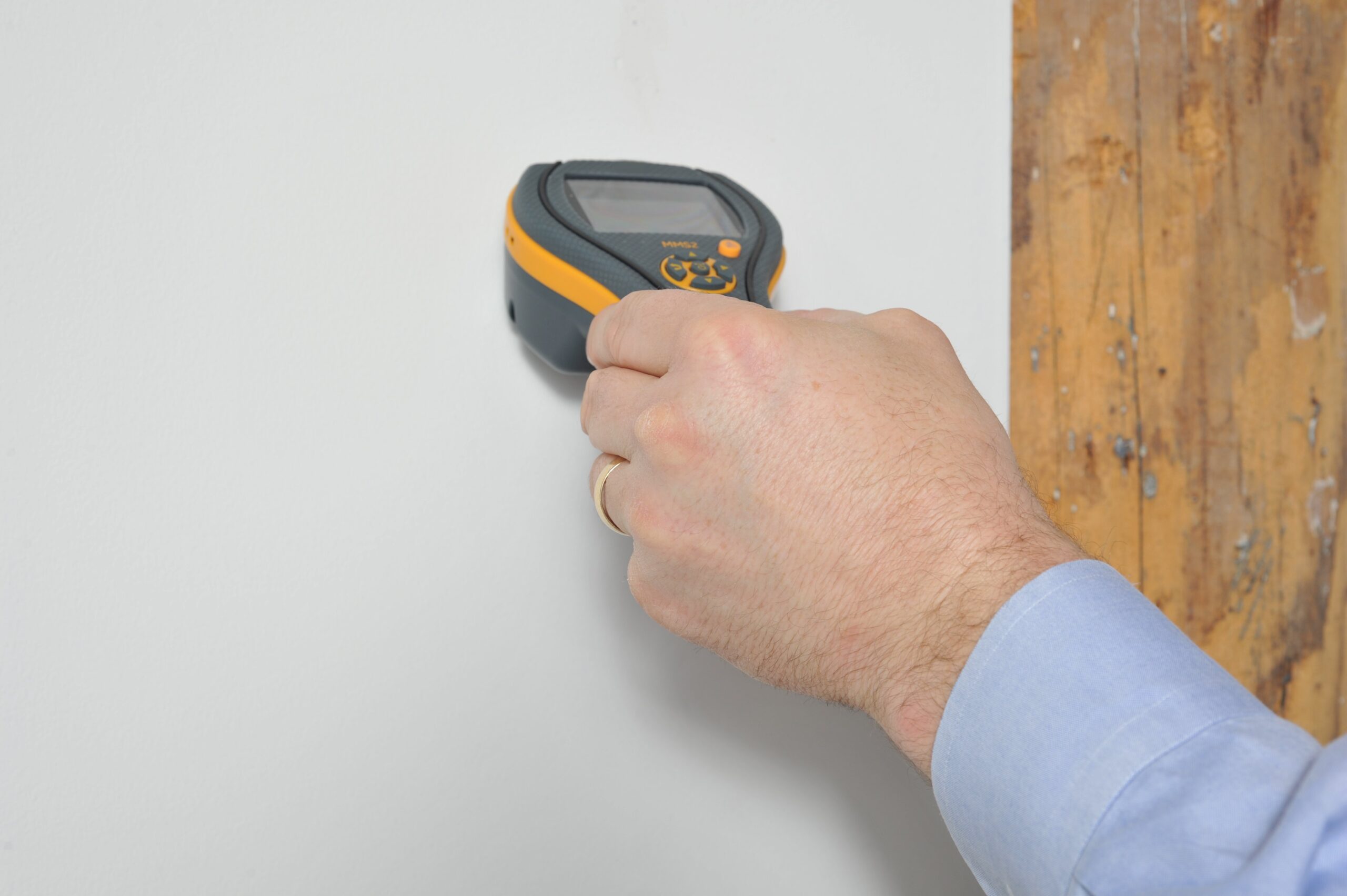
2. Moisture Meter Readings
Moisture meters measure the amount of moisture inside walls, floors, and ceilings. These readings help identify damp areas even when surfaces appear dry.
3. Thermal Imaging
Infrared cameras detect temperature differences that may indicate hidden moisture. This allows technicians to locate leaks without opening walls unnecessarily.
4. Source Identification
Once moisture is located, the next step is determining the source—whether it is plumbing, condensation, roof intrusion, or another cause.
5. Assessment of Damage
The final step is evaluating how far moisture has spread and whether drying or repairs are needed.
This process allows technicians to locate problems quickly and accurately, minimizing unnecessary demolition or guesswork.
What Happens After a Leak Is Detected
Once a leak is confirmed, the next priority is stopping the water source and addressing any damage that has already occurred.
Water damage repair may include:
- Drying affected materials
- Cleaning and sanitizing surfaces
- Removing damaged drywall or insulation if necessary
- Repairing plumbing or drainage systems
Proper drying is essential, as moisture left inside walls or flooring can lead to mold growth within a short time.
Tip Top Water and Fire Damage Restoration often encounters situations in Aventura where leaks were repaired but drying was incomplete, allowing mold and odors to develop later. Thorough moisture removal is always a critical step.
Mold Risks Associated with Undetected Leaks
Mold is one of the most common consequences of hidden water leaks. Mold spores exist naturally in the environment and begin growing when moisture remains on organic materials.
Areas most vulnerable include:
- Drywall and ceiling panels
- Carpet padding
- Wooden framing
- Insulation
- Air ducts
Because mold often develops out of sight, early leak detection is one of the most effective ways to prevent contamination.
Air Conditioning Systems and Moisture Problems
Air conditioning systems play a major role in indoor moisture control, but they can also contribute to leaks if not properly maintained.
During inspections in Aventura, technicians frequently find:
- Clogged condensate drain lines
- Condensation around air handlers
- Moisture in duct insulation
- Leaks from aging AC components
Regular maintenance of HVAC systems helps reduce these risks and improve indoor air quality.
Preventing Future Water Leak Problems
Preventive maintenance is one of the most effective ways to avoid costly repairs.
Helpful steps include:
- Inspect plumbing connections regularly
- Replace aging appliance hoses
- Service air conditioning systems annually
- Check ceilings and walls after storms
- Keep drains and gutters clear
- Monitor indoor humidity levels
Even small leaks should be addressed immediately to prevent larger issues.
Why Local Experience Matters
Leak detection in coastal communities requires an understanding of how humidity, salt air, and building design affect moisture behavior.
Professionals familiar with Aventura, North Miami, Sunny Isles Beach, and Biscayne Park understand:
- Where leaks most commonly develop
- How moisture travels through concrete structures
- How long drying typically takes in humid conditions
- Which building materials are most vulnerable
Tip Top Water and Fire Damage Restoration has worked extensively in these neighborhoods, where hidden leaks are one of the leading causes of mold and structural damage.
A Calm, Practical Next Step
Water leaks rarely resolve on their own, and small problems can quickly become expensive repairs if ignored. Early detection and proper drying prevent mold growth, structural damage, and ongoing humidity issues.
In Aventura’s coastal environment, routine inspections and prompt repairs are the most reliable ways to protect both property value and indoor air quality.