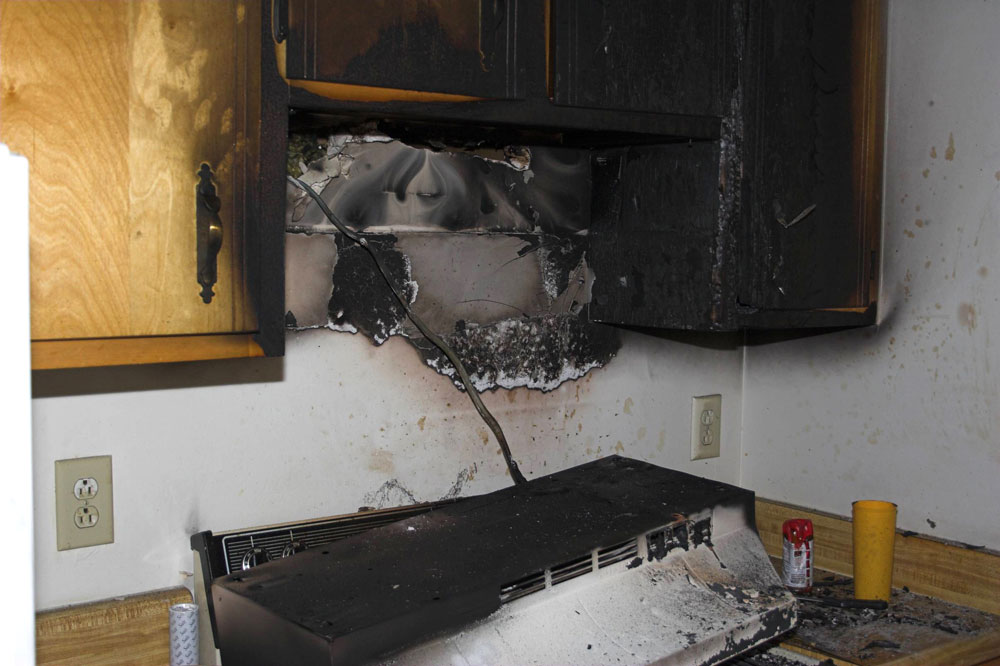
Explaining the Process of Fire Damage Restoration in Biscayne Park
Fire damage can be one of the most stressful events a homeowner or property manager faces. Even a small fire can affect large areas of a home, leaving behind smoke residue, water damage from firefighting efforts, and structural concerns that require careful attention. In Biscayne Park and nearby communities such as North Miami, Miami Shores, and Surfside, restoration work often involves additional challenges due to humidity and coastal air, which can slow drying and worsen damage if repairs are delayed.
Understanding how fire damage restoration works helps property owners know what to expect and why each step in the process is important.
What Fire Damage Restoration Really Involves
Fire damage restoration is a structured process designed to return a property to a safe and livable condition. It is not just about cleaning soot or replacing burned materials. Smoke particles, odors, and moisture can spread throughout the home, affecting areas that were never touched by flames.
Restoration typically addresses:
- Burned or heat-damaged materials
- Smoke and soot contamination
- Odor removal
- Water damage from firefighting
- Structural drying and repairs
Each of these issues must be handled carefully to prevent long-term problems.
Why Fire Damage Can Be More Complicated in Biscayne Park
Biscayne Park’s climate plays a significant role in how fire damage develops after the flames are extinguished. High humidity can cause soot to adhere more strongly to surfaces, and moisture from firefighting efforts may take longer to dry.
Other local factors that complicate restoration include:
- Warm temperatures that accelerate odor absorption
- Humidity that increases mold risk after water exposure
- Older homes with porous materials that absorb smoke
- Limited ventilation in attic or crawl spaces
Nearby areas like North Miami Beach and Bal Harbour experience similar challenges, particularly in homes close to the bay where air moisture remains high.
Common Signs of Fire and Smoke Damage
Some damage is immediately visible after a fire, but other signs appear later. Property owners often notice lingering effects even after basic cleaning.
Typical signs include:
- Persistent smoky or burnt odors
- Yellow or gray staining on ceilings and walls
- Residue around vents and fixtures
- Warped or damaged flooring
- Damp drywall or insulation
These signs indicate that smoke particles or moisture may still be present in hidden areas.
Hidden Damage That Often Goes Unnoticed
During restoration work in Biscayne Park properties, technicians frequently find damage in areas homeowners would not expect.
Common hidden problem areas include:
- Inside wall cavities
- Behind baseboards and cabinets
- Attic insulation
- Air ducts and ventilation systems
- Carpet padding and subflooring
Smoke particles are extremely fine and can travel through small openings, settling in places far from the original fire location.
Why DIY Fire Cleanup Is Usually Ineffective
After a minor fire, homeowners sometimes attempt to clean surfaces themselves. While wiping soot or airing out rooms may improve appearance temporarily, it rarely removes deeper contamination.
DIY cleanup often fails because:
- Smoke odor remains trapped in porous materials
- Soot spreads when cleaned improperly
- Moisture damage is overlooked
- Air ducts are not inspected or cleaned
Improper cleaning can also push soot deeper into surfaces, making professional restoration more difficult later.
Inspection and Damage Assessment
The restoration process begins with a detailed inspection. This step helps determine how far damage has spread and what areas require treatment.
A thorough assessment typically includes:
- Evaluating structural damage
- Checking moisture levels in walls and floors
- Inspecting HVAC systems and ducts
- Identifying smoke and soot contamination zones
- Determining which materials can be restored and which must be replaced
In Biscayne Park homes, inspections often reveal water damage in areas that were not directly affected by flames, particularly ceilings and wall cavities.
The Fire Damage Restoration Process Step by Step
Once the inspection is complete, restoration begins. Each step plays an important role in returning the property to a safe condition.
1. Securing the Property
If necessary, damaged openings are covered to protect the home from weather and further damage.
2. Water Removal and Drying
Water from firefighting efforts is extracted, and drying equipment is used to remove moisture from structural materials. This step is critical in humid coastal environments.
3. Soot and Smoke Removal
Specialized cleaning methods remove soot from walls, ceilings, and surfaces without spreading contamination.
4. Odor Removal
Professional deodorization methods are used to neutralize smoke odors embedded in materials.
5. Cleaning and Sanitizing
Affected areas are thoroughly cleaned to remove residues and contaminants.
6. Repair and Restoration
Damaged drywall, insulation, flooring, or structural components are repaired or replaced once the property is dry and clean.
Companies such as Tip Top Water and Fire Damage Restoration routinely follow these steps in Biscayne Park and surrounding neighborhoods, where humidity makes thorough drying especially important.
Water Damage After a Fire
One of the most overlooked aspects of fire restoration is water damage. Fire suppression efforts often leave large amounts of moisture inside walls, flooring, and insulation.
If drying is incomplete, secondary problems may develop, including:
- Mold growth
- Warped materials
- Odor persistence
- Structural weakening
This is why drying and moisture monitoring are essential parts of the restoration process.
Air Ducts, AC Systems, and Smoke Contamination
Smoke particles frequently enter HVAC systems and ductwork. Once inside, they can circulate odors and contaminants throughout the home.
During restoration, technicians often inspect:
- Air ducts and vents
- Air handlers
- Filters and drain lines
- Insulated ductwork in attics
Air duct cleaning may be recommended to restore indoor air quality and prevent lingering odors.
Preventing Future Problems After Fire Damage
After restoration is complete, homeowners can take steps to reduce the risk of long-term issues.
Helpful measures include:
- Monitoring humidity levels indoors
- Scheduling HVAC maintenance
- Inspecting roofs and ceilings after storms
- Addressing small leaks promptly
- Maintaining proper ventilation in attics and closets
These steps help protect the home from both moisture and odor-related problems.
Why Local Experience Matters
Fire damage restoration in coastal South Florida requires specialized knowledge. Professionals familiar with Biscayne Park, North Miami, and Miami Shores understand:
- How humidity affects soot and odor removal
- How moisture behaves in local building materials
- Where hidden smoke contamination is most likely
- How long drying realistically takes in humid conditions
Tip Top Water and Fire Damage Restoration has worked extensively in these communities, where smoke damage often combines with water damage to create complex restoration challenges.
A Calm, Practical Next Step
Fire damage can feel overwhelming, but restoration is a structured process designed to return a property to safe conditions step by step. Early inspection, proper drying, and thorough cleaning are the keys to preventing long-term structural and air-quality problems.
For homeowners in Biscayne Park and nearby coastal neighborhoods, acting quickly after a fire helps reduce damage, control odors, and ensure the home is fully restored—not just visually repaired.