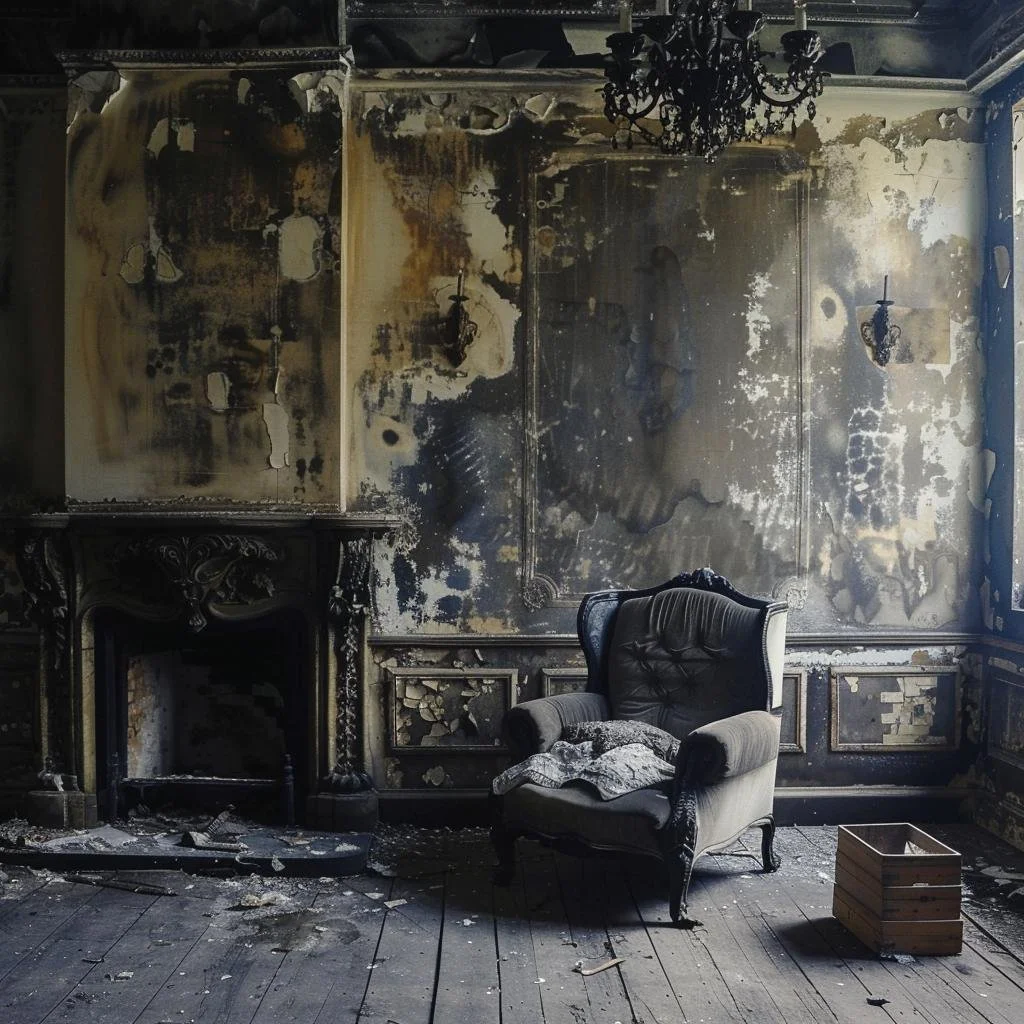
Understanding Smoke Damage Cleanup in North Miami Beach When Humidity Stays High for Weeks
Smoke damage is often more complicated than it first appears, especially in coastal areas like North Miami Beach. After a fire—even a small one—many homeowners believe the problem is resolved once burned materials are removed and visible soot is cleaned. However, when humidity remains high for weeks, smoke residue and odors can linger, spread, and even worsen over time.
In coastal communities near Biscayne Bay, humidity plays a major role in how smoke damage behaves. Moist air allows soot particles to cling to surfaces, penetrate porous materials, and reactivate odors long after the initial incident. Understanding the cleanup process helps homeowners and property managers prevent long-term structural and air quality problems.
What Smoke Damage Really Is
Smoke damage involves more than visible soot or discoloration. When materials burn, microscopic particles travel through the air and settle on nearly every surface, including areas far from the fire itself.
Smoke residue can affect:
- Walls and ceilings
- Carpets and flooring
- Upholstery and curtains
- Air ducts and ventilation systems
- Cabinets, closets, and storage areas
Because these particles are extremely small, they can remain trapped inside materials and continue causing odors and staining long after a fire is extinguished.
Why High Humidity Makes Smoke Damage Worse
North Miami Beach and surrounding areas such as Sunny Isles Beach, Bal Harbour, and Surfside experience consistently high humidity, especially during certain seasons. When humidity stays elevated for weeks, smoke residue absorbs moisture from the air.
This creates several problems:
- Odors become stronger or return
- Residue becomes sticky and harder to remove
- Soot spreads more easily when disturbed
- Mold risk increases in damp areas
Humidity slows the natural drying process, meaning that both smoke and moisture-related issues persist longer than expected.
Common Signs Homeowners Notice
Smoke damage does not always reveal itself immediately. Many homeowners notice symptoms gradually, particularly when humidity remains high.
Typical warning signs include:
- A persistent smoky or musty odor
- Yellow or gray staining on ceilings or walls
- Residue around vents or light fixtures
- Lingering haze or discoloration on surfaces
- Increased indoor humidity or discomfort
These signs often indicate that smoke particles remain embedded in materials or circulating through the air.
Hidden Areas Where Smoke Residue Collects
One of the biggest challenges in smoke cleanup is finding contamination in areas that are not easily visible. Smoke particles travel through air currents and settle in concealed spaces.
During cleanup work in North Miami Beach homes, residue is often found in:
- Air ducts and vents
- Behind baseboards and trim
- Inside closets and cabinets
- Attic insulation
- Carpet padding and subflooring
When humidity remains high, these hidden areas can trap odors and moisture, making cleanup more complex.
Why DIY Smoke Cleanup Often Fails
Many homeowners attempt to clean smoke damage using household cleaners or surface wiping. While this may improve appearance temporarily, it rarely removes deeply embedded particles.
DIY methods often fail because:
- Smoke odor remains in porous materials
- Residue inside ducts is not removed
- Moisture is not properly controlled
- Hidden contamination is overlooked
Improper cleaning can also smear soot, pushing it deeper into surfaces and making professional restoration more difficult later.
Inspection and Assessment of Smoke Damage
A thorough inspection is the first step in effective smoke damage cleanup. The goal is to determine how far contamination has spread and which materials are affected.
A professional assessment typically includes:
- Visual inspection of surfaces and ceilings
- Odor detection in hidden spaces
- HVAC system and duct evaluation
- Moisture and humidity measurements
- Identification of areas requiring deep cleaning or restoration
In coastal environments, inspections often reveal that smoke damage extends much farther than initially expected.
The Smoke Damage Cleanup Process Explained
Smoke damage cleanup involves several steps designed to remove residue, eliminate odors, and restore indoor air quality.
1. Removing Loose Residue
Specialized equipment removes loose soot particles from surfaces without spreading contamination.
2. Deep Cleaning of Affected Areas
Walls, ceilings, and structural materials are cleaned using appropriate restoration methods to remove embedded residue.
3. Odor Removal and Air Filtration
Air filtration equipment removes airborne particles and helps neutralize odors trapped in materials.
4. Drying and Dehumidification
In humid environments like North Miami Beach, dehumidifiers are often used to reduce moisture and prevent odor reactivation.
5. Cleaning HVAC Systems
Air ducts and ventilation systems may be cleaned to prevent smoke particles from circulating throughout the home.
Tip Top Water and Fire Damage Restoration frequently performs these steps in North Miami Beach and nearby coastal communities, where humidity often prolongs smoke-related problems.
Water Damage After Fire Incidents
Another important factor in smoke damage cleanup is water used during firefighting efforts. Even small amounts of water can remain trapped in walls, ceilings, or flooring.
If moisture is not removed completely, secondary problems may develop, including:
- Mold growth
- Warped materials
- Persistent odors
- Structural deterioration
Proper drying is a critical part of the cleanup process, particularly in humid coastal climates.
Air Ducts, AC Systems, and Lingering Odors
Air conditioning systems can circulate smoke particles throughout a home, especially if the system was operating during or after a fire.
During restoration work, technicians often inspect:
- Supply and return ducts
- Air handlers and filters
- Vent grilles
- Insulated ductwork
Cleaning these systems helps prevent odors from returning and improves overall indoor air quality.
How to Prevent Long-Term Smoke Damage Problems
Homeowners can reduce the risk of lingering smoke damage by taking prompt and practical steps after a fire.
Helpful measures include:
- Scheduling cleanup as soon as possible
- Controlling indoor humidity levels
- Ensuring proper ventilation during drying
- Inspecting HVAC systems and ducts
- Monitoring walls and ceilings for staining or odor
Acting quickly is especially important when humidity remains high for extended periods.
Why Local Experience Matters
Smoke damage cleanup in coastal areas requires an understanding of how humidity and building materials interact. Homes in North Miami Beach often have:
- Higher indoor humidity levels
- Slower drying times
- Increased odor persistence
- Greater risk of hidden moisture
Professionals familiar with North Miami Beach, Biscayne Park, Surfside, and Sunny Isles Beach understand how to manage these conditions effectively.
Tip Top Water and Fire Damage Restoration has extensive experience working in these coastal communities, where smoke and moisture often combine to create restoration challenges that require careful inspection and thorough cleaning.
A Calm, Practical Next Step
Smoke damage can seem minor at first, but when humidity remains high, problems often worsen over time. Early inspection and proper cleanup prevent odors, contamination, and secondary moisture damage.
For homeowners in North Miami Beach and nearby coastal neighborhoods, taking action soon after a fire helps restore indoor air quality and ensures the property remains safe, clean, and comfortable.