A Property Owner’s Guide to Mold Testing in Coastal Neighborhoods Near Biscayne Bay
Mold is a common concern for property owners in coastal neighborhoods near Biscayne Bay. The combination of humidity, warm temperatures, and frequent storms creates an environment where moisture can linger inside buildings, sometimes without obvious signs. While visible mold is easy to recognize, many mold problems develop in hidden areas, making professional mold testing an important step in protecting both property and indoor air quality.
Homeowners and property managers in North Miami, Bal Harbour, Sunny Isles Beach, Surfside, Miami Shores, and Biscayne Park often discover that mold testing provides clarity—confirming whether mold is present, identifying the type of contamination, and helping determine the most effective next steps.
What Mold Testing Really Is
Mold testing is a process used to detect mold growth, measure spore levels in the air, and identify areas where moisture has created conditions favorable for mold. It goes beyond a visual inspection and helps confirm whether mold is present in hidden areas.
Testing may involve:
- Air sampling to measure mold spores
- Surface sampling in affected areas
- Moisture detection in walls and floors
- Inspection of ventilation and HVAC systems
The purpose of testing is not just to confirm mold, but to understand the scope of the problem so it can be addressed effectively.
Why Mold Testing Is Often Necessary Near Biscayne Bay
Coastal conditions play a major role in mold development. Homes and buildings near Biscayne Bay are exposed to:
- High humidity year-round
- Heavy seasonal rainfall
- Storm-driven water intrusion
- AC condensation and duct moisture
- Slow drying of building materials
Even minor leaks can lead to mold growth when moisture remains trapped in drywall, insulation, or flooring. In some cases, mold develops in concealed spaces where property owners may not notice any visible signs.
Nearby communities such as Aventura and North Miami Beach face similar conditions, particularly in properties located close to the shoreline or in high-rise buildings.
Common Signs That Mold Testing May Be Needed
Many property owners first consider mold testing after noticing subtle changes indoors. These early signs are often related to moisture rather than visible mold.
Typical indicators include:
- Musty or damp odors
- Persistent humidity indoors
- Water stains on ceilings or walls
- Peeling paint or bubbling drywall
- Allergy-like irritation indoors
- Past leaks or flooding
Even when mold is not visible, these conditions suggest that moisture may be present in hidden areas.
Hidden Areas Where Mold Often Develops
During inspections in coastal homes, mold is frequently found in places homeowners rarely check.
Common hidden locations include:
- Behind drywall or paneling
- Beneath carpets and padding
- Inside air ducts and vents
- Attic insulation
- Inside closets and storage spaces
Water can travel along structural materials and settle in these areas, creating conditions where mold grows quietly over time.
Why DIY Mold Testing Is Often Inaccurate
Some homeowners purchase home testing kits, but these kits rarely provide reliable results. Mold spores exist naturally in the environment, so detecting spores alone does not always indicate a problem.
DIY testing often falls short because:
- Results can be difficult to interpret
- Hidden moisture sources are not identified
- Airflow patterns are not considered
- Professional equipment is not used
Without understanding moisture levels and contamination patterns, it is difficult to determine whether mold growth is active or significant.
The Professional Mold Testing Process Explained
Professional mold testing follows a systematic process designed to provide accurate information.
1. Visual Inspection
Technicians begin by examining areas where mold is most likely to develop, including bathrooms, kitchens, ceilings, and HVAC systems.
2. Moisture Detection
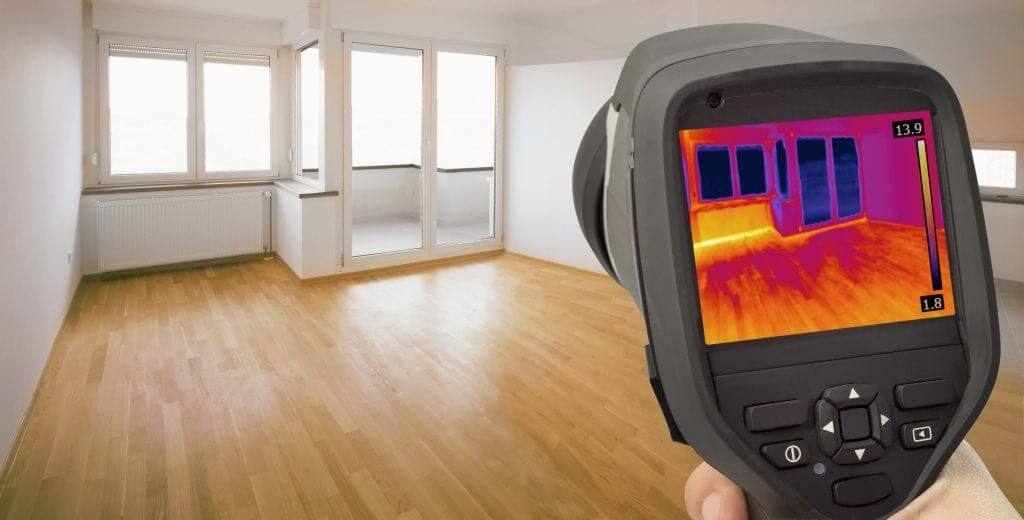
Moisture meters and thermal imaging cameras help locate hidden damp areas behind walls, ceilings, or floors.
3. Air Sampling
Air samples are collected to measure mold spore levels and compare indoor air to outdoor conditions.
4. Surface Sampling
If visible mold is present, surface samples may be collected to identify the type of mold.
5. Analysis and Reporting
Test results provide a clear picture of contamination levels and help determine whether remediation is necessary.
In coastal neighborhoods near Biscayne Bay, testing often reveals moisture trapped in insulation or behind drywall long after leaks have been repaired.
What Happens After Mold Testing
If mold is confirmed, the next step is addressing the underlying cause of moisture and removing contamination when necessary.
Mold remediation may include:
- Containment of affected areas
- Removal of contaminated materials
- Cleaning and antimicrobial treatment
- Drying and dehumidification
- Final moisture verification
Companies such as Tip Top Water and Fire Damage Restoration frequently handle these steps in North Miami and surrounding communities, where mold problems are often linked to humidity and past water damage.
The Connection Between Water Damage and Mold
Most mold growth is related to water intrusion. Flooding, plumbing leaks, roof leaks, and condensation can all create conditions where mold develops.
Water damage that often leads to mold includes:
- Slow plumbing leaks
- AC condensation problems
- Roof leaks after storms
- Flooding or storm surge
- Poor ventilation in enclosed areas
Proper drying after any water incident is one of the most effective ways to prevent mold growth.
Air Ducts, AC Systems, and Mold Testing
Air conditioning systems play a major role in indoor air quality. In humid climates, ducts and air handlers may accumulate moisture, allowing mold to develop inside ventilation systems.
During mold testing, technicians often inspect:
- Air ducts and vents
- Drain lines and condensate pans
- Air handler compartments
- Insulated ductwork
Cleaning and maintenance of HVAC systems are often recommended to reduce future risks.
How Property Owners Can Reduce Mold Risks
Preventive maintenance helps reduce the likelihood of mold growth in coastal homes and condos.
Helpful steps include:
- Repair leaks promptly
- Monitor indoor humidity levels
- Improve ventilation in bathrooms and kitchens
- Service air conditioning systems regularly
- Inspect roofs and ceilings after storms
- Schedule periodic moisture inspections
These steps help keep moisture under control, which is the key to preventing mold.
Why Local Experience Matters
Mold testing in coastal environments requires an understanding of how humidity, building materials, and ventilation systems interact. Homes near Biscayne Bay often experience slower drying times and higher moisture retention than inland properties.
Professionals familiar with North Miami, Surfside, Bal Harbour, and Biscayne Park understand:
- Where hidden moisture is most likely to remain
- How coastal weather affects indoor humidity
- Which areas of local homes are most vulnerable
- How to interpret mold testing results in humid climates
Tip Top Water and Fire Damage Restoration has worked extensively in these communities, where early testing often prevents larger remediation projects later.
A Calm, Practical Next Step
Mold testing provides clarity and peace of mind. Whether confirming a suspected issue or verifying that a property is safe, testing helps property owners make informed decisions and prevent long-term damage.
In coastal neighborhoods near Biscayne Bay, moisture is part of the environment, but mold problems do not have to be. Early inspection, proper testing, and timely action remain the most effective ways to protect both property and indoor air quality.