Preventing Future Problems: Carpet Cleaning After Water Damage in Bal Harbour
Water damage is one of the most common issues affecting homes and condominiums in Bal Harbour. While standing water and visible damage often receive immediate attention, carpets are frequently overlooked once they appear dry. In reality, carpets and the padding beneath them can hold moisture long after the surface feels dry, creating conditions where odors, bacteria, and mold can develop.
In coastal environments near Biscayne Bay, preventing future problems after water damage requires more than surface cleaning. Proper carpet cleaning, drying, and moisture control play an important role in protecting indoor air quality and preventing long-term structural issues.
What Happens to Carpets After Water Damage
Carpets are highly absorbent, and once water enters, it quickly penetrates fibers, padding, and even the subfloor beneath. Even minor leaks from plumbing, appliances, or AC systems can leave significant moisture trapped below the surface.
After water exposure, carpets may:
- Retain moisture in padding
- Develop odors from bacteria or residue
- Show delayed staining or discoloration
- Create conditions favorable for mold
In Bal Harbour homes, where humidity levels are naturally high, trapped moisture often dries slowly, increasing the likelihood of long-term problems.
Why Carpet Issues Are Common in Bal Harbour
Coastal climates create ideal conditions for moisture-related problems. Warm temperatures and humid air reduce the speed at which carpets and flooring dry.
Some of the most common causes of water-damaged carpets in Bal Harbour and nearby areas like Surfside and Sunny Isles Beach include:
- Plumbing leaks or appliance failures
- Roof leaks during storms
- Flooding from heavy rainfall
- AC condensation or drain line issues
- Water intrusion through windows or doors
Because moisture lingers longer in coastal environments, even small incidents can lead to larger issues if not addressed properly.
Early Signs That Carpets May Still Be Affected
After water damage, problems often appear gradually rather than immediately. Homeowners may notice subtle changes before realizing carpets are still damp beneath the surface.
Common signs include:
- Musty or damp odors
- Carpet that feels cool or slightly damp
- Uneven texture or matting
- Darkening along carpet edges
- Increased indoor humidity
These warning signs often indicate moisture remains trapped in the padding or subfloor.
Hidden Moisture Beneath Carpets
One of the most important things to understand about carpet water damage is that moisture rarely stays in one place. Water spreads beneath flooring and along structural surfaces.
During inspections in Bal Harbour properties, moisture is often found:
- Beneath carpet padding
- Along baseboards and wall edges
- In subfloor materials
- Under heavy furniture
- Inside closets and low-ventilation areas
Because these areas are hidden, moisture may remain unnoticed for weeks, increasing the risk of mold growth.
Why Basic Cleaning Is Not Enough
After water exposure, many homeowners attempt to clean carpets using household machines or surface cleaners. While these methods may remove stains, they rarely extract moisture from deeper layers.
Surface cleaning alone often fails because:
- Padding remains wet
- Subfloor moisture is not removed
- Odors return after a few days
- Mold may begin developing underneath
Proper drying and extraction are essential to prevent long-term problems.
The Carpet Cleaning and Drying Process Explained
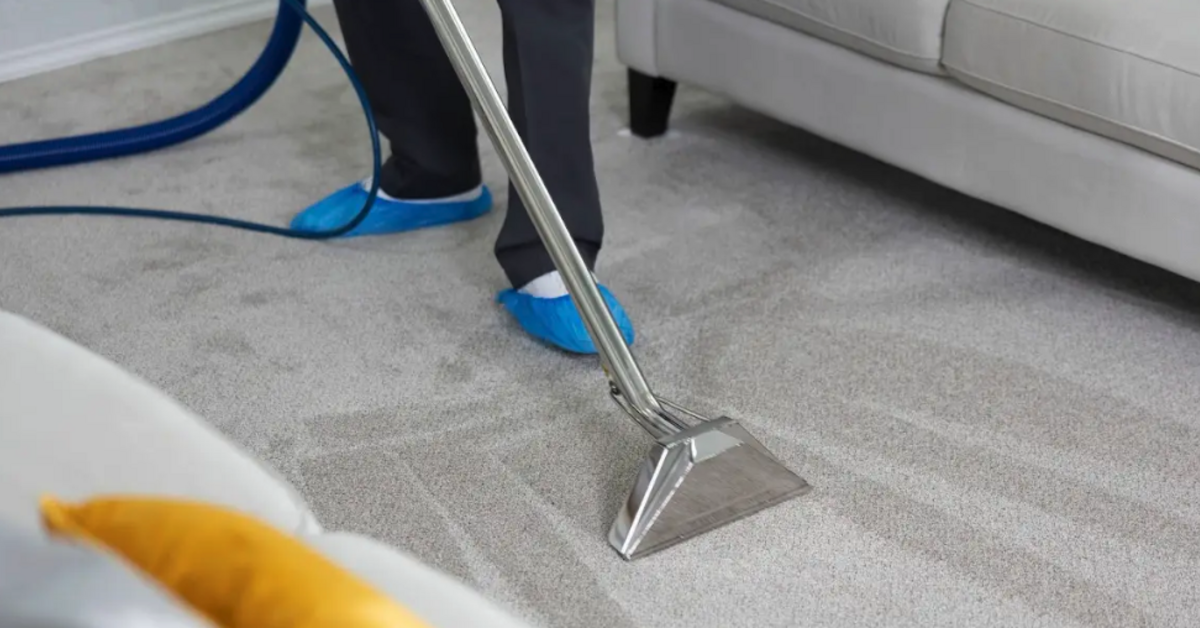
Professional carpet cleaning after water damage involves several steps designed to remove moisture and restore the affected area safely.
1. Water Extraction
High-powered extraction equipment removes as much water as possible from carpet fibers and padding.
2. Moisture Detection
Moisture meters are used to determine how far water has spread beneath the carpet and into surrounding materials.
3. Drying and Dehumidification
Air movers and dehumidifiers are used to dry carpets, padding, and subflooring thoroughly. In humid environments, this process may take several days.
4. Cleaning and Sanitizing
Carpets are cleaned to remove contaminants and odors that develop after water exposure.
5. Final Moisture Verification
Moisture readings confirm that the area is fully dry before equipment is removed.
Tip Top Water and Fire Damage Restoration frequently performs these steps in Bal Harbour and nearby coastal communities, where humidity makes thorough drying especially important.
Mold Risks After Water Damage
One of the main reasons carpet cleaning is so important after water damage is the risk of mold growth. Mold can begin forming within 24 to 48 hours when moisture remains trapped in organic materials.
Areas most vulnerable include:
- Carpet padding
- Wooden subfloors
- Drywall near floor level
- Baseboards and trim
Once mold develops beneath carpets, removal often becomes more complex and costly.
The Role of Indoor Air Quality
Damp carpets can also affect indoor air quality. Moisture and contaminants trapped in fibers may release odors and particles into the air.
Residents may notice:
- Persistent musty smells
- Increased dust or irritation
- Humid or heavy-feeling air
Cleaning and drying carpets properly helps restore healthy indoor air conditions.
Preventing Future Carpet Problems
After water damage has been addressed, preventive maintenance helps reduce the likelihood of recurring issues.
Helpful steps include:
- Address leaks immediately
- Inspect ceilings and plumbing regularly
- Maintain air conditioning systems
- Use dehumidifiers during humid periods
- Dry carpets quickly after spills or leaks
Early action is the most effective way to prevent moisture from becoming trapped in flooring materials.
Flooring and Subfloor Protection
Even when carpets appear clean and dry, subflooring may still contain moisture. Proper inspection ensures that underlying materials are safe.
Professionals often check:
- Moisture levels beneath carpets
- Condition of padding
- Baseboards and lower drywall
- Adjacent flooring materials
This step helps prevent hidden damage that could lead to repairs later.
Why Local Experience Matters
Carpet cleaning and drying in coastal environments requires an understanding of humidity and building materials. Homes in Bal Harbour often experience slower drying times and higher indoor moisture levels than inland properties.
Professionals familiar with Bal Harbour, North Miami, and Surfside understand:
- How humidity affects carpet drying
- Where hidden moisture is most likely to remain
- How to prevent mold in coastal homes
- How long drying realistically takes in humid climates
Tip Top Water and Fire Damage Restoration has worked extensively in these communities, where proper carpet drying is essential to preventing recurring moisture problems.
A Calm, Practical Next Step
Carpet cleaning after water damage is not just about restoring appearance—it is about preventing future problems. Moisture left beneath carpets can lead to mold growth, odors, and structural damage if not addressed properly.
For homeowners in Bal Harbour and nearby coastal neighborhoods, early inspection and thorough drying provide long-term protection. Acting quickly after water exposure helps ensure carpets, flooring, and indoor air remain clean, dry, and safe.