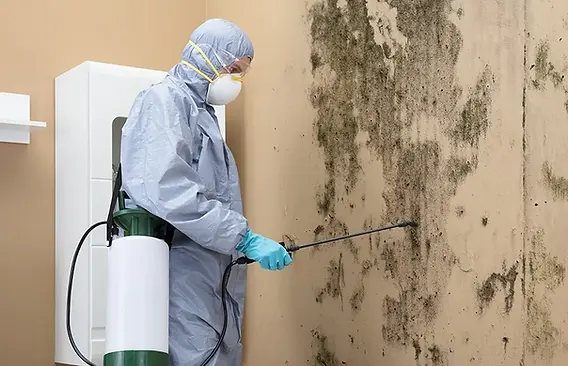
Black Mold Removal in Coastal Neighborhoods Near Biscayne Bay After Hurricanes: What to Watch For
Hurricanes and tropical storms are a reality for homeowners living in coastal neighborhoods near Biscayne Bay. While wind and flooding often receive immediate attention, one of the most serious long-term problems that follows a storm is black mold. After heavy rain, roof damage, or flooding, moisture can remain trapped inside walls, ceilings, insulation, and flooring. In the warm, humid conditions common to North Miami, Bal Harbour, Surfside, and nearby coastal communities, mold can begin developing quickly.
Understanding what to watch for after a hurricane—and how black mold removal is approached—helps property owners respond early and prevent more extensive damage.
Why Hurricanes Often Lead to Black Mold
After a hurricane, homes may appear dry on the surface, but moisture frequently remains hidden in structural materials. Even minor water intrusion can create the conditions mold needs to grow.
Common hurricane-related causes of mold include:
- Roof leaks caused by wind damage
- Flooding or standing water
- Water intrusion through windows or doors
- Saturated insulation and drywall
- Damp carpeting or flooring
Because humidity levels remain high after storms, materials often take longer to dry, allowing mold to develop before problems become visible.
Why Coastal Areas Near Biscayne Bay Are Especially Vulnerable
Coastal homes face environmental conditions that increase the risk of mold growth after hurricanes.
Key contributing factors include:
- High year-round humidity
- Warm temperatures that accelerate mold growth
- Salt air that affects roofing and sealing materials
- Slow drying of structural materials
- Frequent heavy rainfall during storm season
Homes in areas such as Miami Shores, Biscayne Park, and Sunny Isles Beach experience similar conditions, especially properties close to the shoreline where humidity remains elevated for extended periods.
Early Warning Signs to Watch For
After a hurricane, mold does not always appear immediately. In many cases, homeowners notice subtle warning signs before visible growth becomes obvious.
Signs to watch for include:
- Musty or damp odors that linger
- Dark spots forming on ceilings or walls
- Paint bubbling or peeling
- Persistent indoor humidity
- Soft or warped drywall
- Increased condensation around vents or windows
These symptoms often indicate hidden moisture, which is the primary cause of mold growth.
Hidden Areas Where Black Mold Often Develops
One of the most important things to understand about mold after hurricanes is that it often develops in concealed areas first.
During inspections in coastal homes, mold is frequently discovered in:
- Attic insulation and roof decking
- Wall cavities behind drywall
- Beneath carpets and padding
- Inside air ducts and vents
- Closets and storage spaces with limited airflow
Because these areas are not part of daily living spaces, mold may spread significantly before it is noticed.
Why Immediate Drying Is Critical
Time plays a major role in mold prevention. Mold can begin developing within 24 to 48 hours when moisture remains on organic materials.
After hurricanes, delayed drying often occurs because:
- Power outages limit air conditioning use
- High outdoor humidity slows evaporation
- Large areas of water intrusion require extensive drying
- Structural materials absorb moisture deeply
Professional drying equipment is often necessary to remove moisture from inside walls, ceilings, and flooring.
Why DIY Mold Removal Usually Fails
Many homeowners attempt to clean visible mold using household cleaners. While this may improve appearance temporarily, it rarely solves the underlying problem.
DIY removal often fails because:
- Mold roots remain in porous materials
- Hidden moisture is not eliminated
- Spores spread during improper cleaning
- Mold returns within days or weeks
Effective mold removal requires both removing contamination and addressing the moisture source.
The Professional Mold Inspection Process
Before mold removal begins, a thorough inspection is necessary to determine how far contamination has spread.
A typical inspection includes:
- Moisture readings in walls, ceilings, and floors
- Thermal imaging to locate hidden damp areas
- Attic and roof inspections
- HVAC system evaluation
- Identification of water intrusion points
In coastal neighborhoods near Biscayne Bay, inspections often reveal moisture trapped in insulation or structural materials long after the storm has passed.
How Black Mold Removal Is Performed
Professional mold removal follows a structured process designed to eliminate contamination safely and prevent regrowth.
1. Containment of Affected Areas
Containment barriers prevent mold spores from spreading to unaffected parts of the home.
2. Air Filtration
Air filtration equipment removes airborne spores and improves indoor air quality during the process.
3. Removal of Contaminated Materials
Severely affected drywall, insulation, or carpeting may need to be removed if mold growth is extensive.
4. Cleaning and Treatment
Surfaces are cleaned and treated to remove remaining mold and spores.
5. Drying and Dehumidification
Professional drying equipment removes moisture from structural materials.
6. Final Moisture Verification
Moisture levels are checked to confirm that conditions no longer support mold growth.
Tip Top Water and Fire Damage Restoration frequently performs these steps in North Miami and surrounding coastal communities, where hurricane-related mold problems are common due to humidity and storm exposure.
The Role of Air Ducts and HVAC Systems
Air conditioning systems can spread mold spores if ducts or air handlers are contaminated. After hurricanes, moisture may enter ductwork through ceiling cavities or attic spaces.
During mold removal, technicians often inspect:
- Air ducts and vents
- Air handlers and drain lines
- Insulated ductwork
- Filters and ventilation pathways
Cleaning and maintaining HVAC systems helps prevent mold from spreading throughout the home.
Preventing Mold After Future Storms
While hurricanes cannot be prevented, property owners can take steps to reduce the likelihood of mold growth.
Helpful measures include:
- Inspect roofs and ceilings after storms
- Dry wet areas immediately
- Use dehumidifiers when humidity remains high
- Keep air conditioning systems maintained
- Monitor walls and flooring for early signs of moisture
Quick action after water intrusion significantly reduces the risk of mold developing.
Why Local Experience Matters
Mold removal in coastal environments requires an understanding of local weather patterns and building conditions. Homes near Biscayne Bay often experience slower drying times and higher moisture levels than inland properties.
Professionals familiar with North Miami, Surfside, Bal Harbour, and Biscayne Park understand:
- How hurricane damage affects local structures
- Where hidden moisture is most likely to remain
- How coastal humidity influences drying time
- How to prevent mold from returning
Tip Top Water and Fire Damage Restoration has worked extensively in these communities, where mold removal often follows storm-related water damage.
A Calm, Practical Next Step
Black mold after hurricanes is a serious concern, but it can be managed effectively when addressed early. Inspection, proper drying, and professional removal prevent long-term structural damage and recurring mold problems.
For homeowners in coastal neighborhoods near Biscayne Bay, staying alert for early warning signs and acting promptly after storms helps protect both property value and indoor air quality.