How Coastal Weather Influences Flood Restoration in Surfside
Flooding is one of the most challenging property issues faced by homeowners and property managers in Surfside. While flooding can happen anywhere, coastal weather patterns near Biscayne Bay make restoration more complex and time-sensitive. High humidity, salt air, heavy rainfall, and storm surge all influence how water behaves inside buildings and how long restoration takes.
Understanding how coastal weather affects flood restoration helps property owners respond more effectively and prevent long-term structural damage or mold problems.
Why Flooding Is Common in Coastal Areas Like Surfside
Surfside and nearby communities such as Bal Harbour, North Miami Beach, and Sunny Isles Beach experience conditions that increase the likelihood of flooding.
Some of the most common causes include:
- Heavy seasonal storms and tropical weather
- Storm surge and tidal flooding in waterfront properties
- Roof leaks during wind-driven rain
- Drainage systems overwhelmed by intense rainfall
- Plumbing failures in multi-story buildings
Even when flooding appears minor, moisture can spread into walls, flooring, and structural materials quickly.
The Role of Humidity in Flood Restoration
Humidity is one of the biggest challenges in flood restoration along the coast. In humid environments, water evaporates much more slowly, meaning wet materials remain damp longer.
High humidity affects restoration in several ways:
- Drying equipment must run longer
- Mold growth risk increases
- Odors may persist if moisture is not fully removed
- Structural materials retain moisture more easily
In Surfside, indoor humidity often remains elevated even after visible water has been removed, making professional drying essential.
How Warm Temperatures Accelerate Damage
Warm temperatures common in coastal South Florida can accelerate deterioration after flooding. When moisture and heat combine, organic materials such as drywall, wood, and carpet can begin to break down more quickly.
This environment also encourages mold growth, which can begin within 24 to 48 hours if moisture remains trapped.
Because of this, flood restoration in Surfside often needs to begin quickly to prevent secondary damage.
Storm Patterns and Wind-Driven Rain
Coastal storms affect buildings differently than inland rainstorms. Wind-driven rain can force water through small gaps in windows, roofing materials, and exterior walls.
After storms, restoration professionals often find moisture in:
- Ceiling cavities
- Wall insulation
- Flooring near exterior walls
- Attic spaces
These areas may not show visible signs immediately, but moisture trapped inside them can lead to mold growth or structural damage.
Salt Air and Building Materials
Salt air is another factor unique to coastal environments. Over time, salt exposure can affect building materials, seals, and mechanical systems.
This can contribute to:
- Deterioration of window seals
- Corrosion of HVAC components
- Weakening of roofing materials
- Increased likelihood of water intrusion
Flood restoration sometimes involves addressing these secondary issues to prevent future water problems.
Common Signs Flood Damage Is Worse Than It Appears
Homeowners in Surfside often notice early signs that moisture has spread beyond visible areas.
Typical warning signs include:
- Musty odors that linger after drying
- Warped or uneven flooring
- Stains on walls or ceilings
- Soft drywall or bubbling paint
- Persistent humidity indoors
These signs often indicate that water has traveled into structural materials.
Hidden Areas Where Water Often Remains
Floodwater rarely stays confined to one location. During restoration work in coastal homes, moisture is frequently discovered in concealed areas.
Common hidden locations include:
- Behind drywall and baseboards
- Beneath tile or carpet
- Inside air ducts
- Under cabinets or built-in fixtures
- Attic insulation
Because airflow is limited in these areas, moisture may remain trapped for extended periods.
Why DIY Flood Cleanup Often Falls Short
Many homeowners attempt to handle small flooding incidents themselves. While surface drying may improve appearance, deeper moisture often remains.
DIY cleanup often fails because:
- Subflooring remains damp
- Moisture inside walls is not removed
- Odors return after a few days
- Mold begins forming in hidden areas
Professional moisture detection and drying equipment are usually necessary to fully restore affected areas.
The Flood Restoration Process Explained
Flood restoration follows a structured process designed to remove water, dry materials, and restore the property safely.
1. Inspection and Moisture Detection
Technicians identify affected areas and locate hidden moisture using specialized equipment.
2. Water Extraction
Standing water is removed using high-powered extraction equipment.
3. Drying and Dehumidification
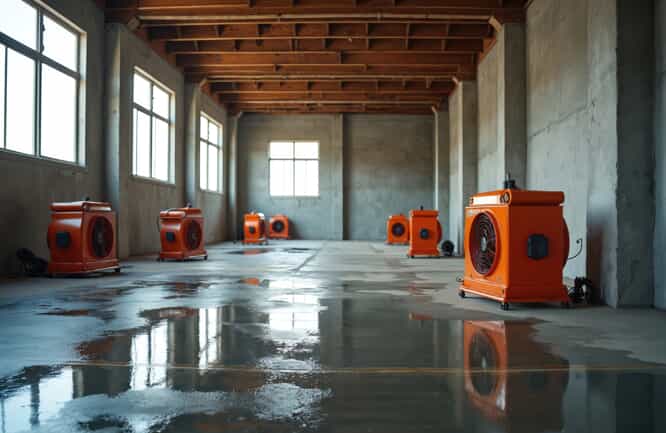
Industrial air movers and dehumidifiers remove moisture from structural materials. In coastal climates, this stage may take longer than expected.
4. Cleaning and Sanitizing
Surfaces are cleaned to remove contaminants and reduce odor.
5. Repairs and Restoration
Damaged materials such as drywall or flooring may be repaired or replaced after drying is complete.
Tip Top Water and Fire Damage Restoration regularly performs these steps in Surfside and nearby coastal communities, where humidity and storm conditions often extend drying times.
Mold Risks After Flooding
One of the main reasons flood restoration is so important is the risk of mold growth. Mold can begin developing quickly when moisture remains trapped.
Areas most vulnerable include:
- Drywall and ceiling panels
- Carpet padding
- Wooden framing
- Insulation
- Air ducts
Proper drying and moisture verification are essential to prevent mold from developing after flooding.
HVAC Systems and Moisture Concerns
Air conditioning systems play an important role in drying and humidity control, but they can also be affected by flood damage.
During restoration, technicians often inspect:
- Air ducts and vents
- Drain lines and condensate pans
- Air handlers
- Filters and ventilation systems
Cleaning and servicing HVAC systems helps prevent odors and indoor air quality problems.
Preventing Future Flood Damage in Coastal Homes
While flooding cannot always be prevented, several steps can reduce the risk of severe damage.
Helpful measures include:
- Inspect roofs and window seals regularly
- Keep drains and gutters clear
- Monitor indoor humidity levels
- Service air conditioning systems regularly
- Address plumbing leaks immediately
Preventive maintenance is particularly important in coastal environments where moisture is always present in the air.
Why Local Experience Matters
Flood restoration in coastal communities requires an understanding of local climate and building conditions. Homes in Surfside often experience slower drying times and higher humidity levels than inland properties.
Professionals familiar with Surfside, North Miami, Bal Harbour, and Biscayne Park understand:
- How coastal weather affects drying
- Where hidden moisture is most likely to remain
- Which materials are most vulnerable
- How to prevent mold in humid environments
Tip Top Water and Fire Damage Restoration has worked extensively in these neighborhoods, where environmental conditions play a major role in restoration strategies.
A Calm, Practical Next Step
Flooding can feel overwhelming, but the restoration process is designed to restore a property step by step. Early inspection, proper drying, and thorough repairs prevent long-term damage and recurring moisture problems.
For property owners in Surfside, understanding how coastal weather influences flood restoration helps set realistic expectations and ensures that repairs are done correctly the first time. Acting quickly after flooding is the most effective way to protect both the structure of a home and the quality of the air inside it.