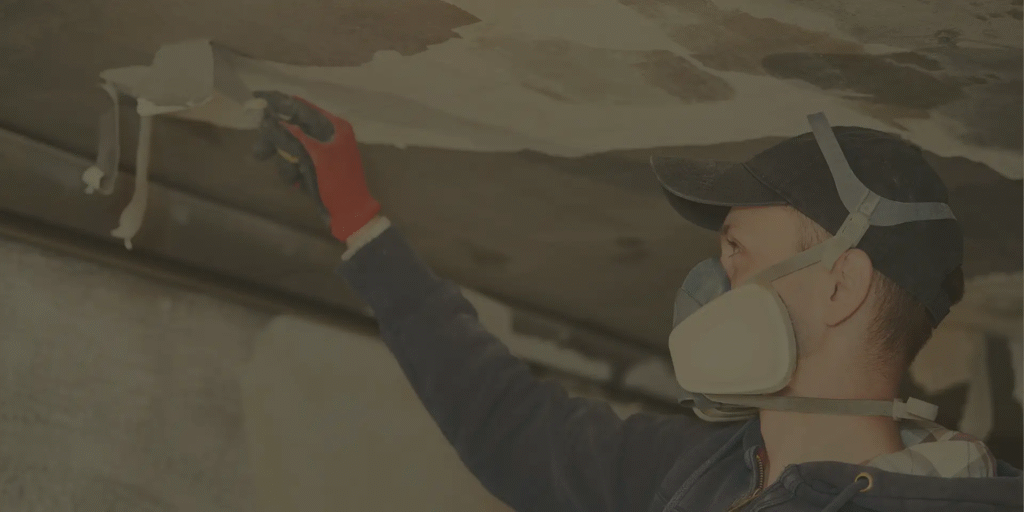
Understanding Black Mold Removal in Bayfront Homes in North Miami
Black mold, scientifically known as Stachybotrys chartarum, is a persistent and potentially harmful problem for homeowners in North Miami, especially in bayfront and waterfront properties. The combination of coastal humidity, salt air, frequent storms, and aging construction makes these homes highly susceptible to moisture accumulation, which can lead to mold growth. Understanding the science, challenges, and proper methods for black mold removal is critical to maintaining a safe, healthy, and structurally sound home.
Waterfront properties often face unique risks, including storm surges, flooding, and higher indoor humidity levels. When black mold infiltrates a home, it can affect not only structural components but also indoor air quality, leading to potential health concerns for occupants. This article explores the conditions that lead to black mold growth, warning signs, professional removal strategies, and preventive measures specifically for bayfront homes in North Miami.
Why Bayfront Homes Are Prone to Black Mold
1. Coastal Humidity and Salt Air
North Miami bayfront homes experience consistently high humidity, often exceeding 70%. Humid air naturally condenses on cooler surfaces such as walls, windows, and air ducts, providing ideal moisture for mold spores to germinate. Salt particles in the coastal air can also accelerate corrosion in HVAC systems and structural materials, indirectly contributing to mold growth.
2. Water Intrusion from Storms and Flooding
Water intrusion is one of the primary drivers of black mold in waterfront homes. Even minor leaks from roofs, windows, or foundation cracks can create damp conditions inside walls and under flooring. Seasonal storms and hurricanes increase the frequency of water exposure, making timely inspection and remediation critical.
3. Aging Construction
Older bayfront homes may have slab foundations, inadequate insulation, or outdated plumbing. These features often allow water to seep into hidden spaces, providing an unseen breeding ground for black mold. In addition, coastal homes sometimes have attics and crawl spaces with poor ventilation, further promoting moisture accumulation.
How Black Mold Grows
Black mold spores are always present in the environment. However, they only become a problem when conditions are favorable:
- Moisture: Water leaks, condensation, and high indoor humidity provide the necessary environment for spores to germinate.
- Nutrients: Mold feeds on organic materials such as wood, drywall, carpets, and insulation.
- Warmth: Coastal homes maintain temperatures ideal for mold growth year-round.
Once established, black mold spreads rapidly. It produces hyphae, thread-like structures that penetrate materials, and spores that can travel through the air and infect other areas of the home.
Common Signs of Black Mold in Waterfront Properties
Homeowners should be alert to these indicators:
- Musty, earthy odors that persist even after cleaning
- Visible black or dark green spots on walls, ceilings, or floors
- Water stains, peeling paint, or warped surfaces
- Mold growth inside HVAC vents or ductwork
- Condensation on windows, walls, or exposed pipes
Early detection is essential, as mold can grow behind walls and under flooring where it is not immediately visible.
Why DIY Removal Often Fails
Many homeowners attempt to clean black mold themselves, but DIY approaches have serious limitations:
- Hidden Mold: Mold can grow deep within wall cavities, insulation, or under flooring, where surface cleaning cannot reach.
- Cross-Contamination: Disturbing mold without proper containment spreads spores throughout the home.
- Health Risks: Black mold exposure can irritate the lungs, trigger allergies, and exacerbate asthma.
- Incomplete Remediation: Without addressing the source of moisture, mold will regrow, making DIY efforts temporary at best.
Professional Black Mold Removal Process
1. Inspection and Assessment
Certified mold remediation specialists start with a comprehensive inspection:
- Identify visible mold and water damage
- Detect hidden moisture using thermal imaging and moisture meters
- Assess HVAC systems, ductwork, and attics for contamination
- Determine the extent of the mold infestation
A thorough assessment informs a detailed remediation plan tailored to the property.
2. Containment
To prevent spores from spreading to unaffected areas, professionals use:
- Plastic barriers and negative air pressure systems
- Sealing of doors and vents
- Isolation of contaminated rooms
Containment ensures safety and reduces the risk of cross-contamination.
3. Removal of Contaminated Materials
Mold-infested materials, such as drywall, insulation, or carpeting, are carefully removed and safely disposed of. Non-porous surfaces are cleaned using antimicrobial agents to eliminate spores.
4. Cleaning and Disinfection
Professional remediation includes:
- Scrubbing and disinfecting surfaces
- Cleaning HVAC systems and ducts to prevent airborne spores
- Sanitizing salvageable household contents
This step eliminates mold and prepares the home for restoration.
5. Drying and Dehumidification
Industrial air movers, dehumidifiers, and ventilation systems are used to thoroughly dry affected areas. Continuous moisture monitoring ensures that residual water is removed and regrowth is prevented.
6. Repair and Restoration
Once mold is removed and moisture controlled, structural repairs are performed:
- Replacement of drywall, insulation, and flooring
- HVAC repair and duct cleaning
- Sealing and repainting surfaces to prevent future mold accumulation
Preventive Strategies for Homeowners
After remediation, homeowners should implement proactive measures:
- Humidity Control: Maintain indoor humidity below 55% with dehumidifiers and air conditioning.
- Prompt Leak Repair: Address plumbing, roofing, or window leaks immediately.
- Regular HVAC Maintenance: Clean and inspect air conditioning systems to prevent condensation buildup.
- Improve Ventilation: Ensure attics, crawlspaces, and bathrooms are adequately ventilated.
- Routine Professional Inspections: Annual mold inspections detect problems before they become severe.
Challenges Unique to Bayfront Homes
Waterfront properties face specific risks:
- Persistent Coastal Moisture: Humidity levels remain high year-round, increasing mold regrowth potential.
- Salt Air Corrosion: Exacerbates deterioration in ductwork, pipes, and fasteners.
- Storm Exposure: Hurricanes and tropical storms introduce water that can penetrate hidden spaces.
- Older Construction Materials: Often retain moisture and harbor mold colonies deep within walls or floors.
Local expertise is essential to address these challenges effectively.
The Role of Experienced Professionals
Professional mold remediation in bayfront homes requires:
- Knowledge of local coastal climate and storm impacts
- Expertise in moisture detection and mold removal
- Specialized tools and techniques for thorough remediation
- Guidance on long-term prevention and property maintenance
Tip Top Water and Fire Damage Restoration has extensive experience handling black mold in North Miami bayfront homes, combining technical skill with local insight to ensure effective, lasting solutions.
Health and Financial Implications of Ignoring Black Mold
Neglecting black mold can lead to:
- Respiratory issues, allergies, and chronic asthma
- Structural damage to wood, drywall, and insulation
- Escalating repair costs if infestation spreads
- Decreased property value and challenges during resale
Timely professional inspection, removal, and preventive maintenance are essential to mitigate these risks.
Final Thoughts
Black mold is a serious concern for waterfront properties in North Miami. The combination of coastal humidity, salt exposure, storm damage, and aging construction creates an environment where mold can thrive. Professional inspection, detection, and remediation are crucial for protecting both health and property.
Homeowners who recognize early warning signs, engage skilled professionals, and implement preventive strategies can maintain a safe, healthy, and structurally sound home. In bayfront homes, proactive black mold management is essential for long-term property protection and peace of mind.