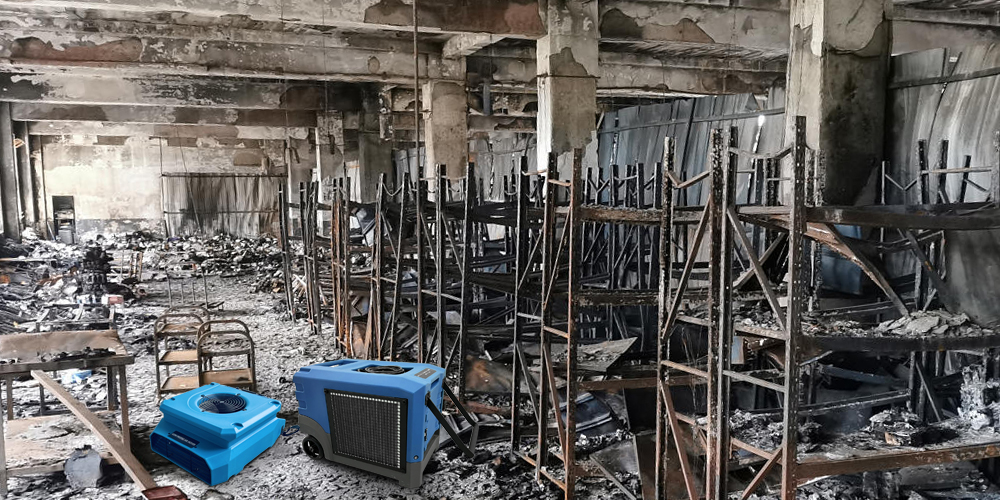
Preventive Measures That Save Money: Fire Damage Restoration Challenges in Biscayne Park
Fire damage is one of the most disruptive events a property owner can face, but the real costs often come after the fire is out. In Biscayne Park, many restoration projects become more expensive because smoke, soot, and moisture are not addressed quickly or thoroughly. Preventive measures taken before and after restoration can significantly reduce long-term repair costs and prevent recurring damage.
Homes in Biscayne Park and nearby areas such as North Miami, Miami Shores, and Surfside face unique challenges due to humidity, older construction in some neighborhoods, and coastal environmental conditions. Understanding these challenges helps property owners make informed decisions that protect both their homes and their budgets.
What Fire Damage Restoration Really Involves
Fire damage restoration goes beyond repairing burned materials. A fire often leaves behind multiple types of damage that require careful attention.
Restoration typically addresses:
- Burned or charred structural components
- Smoke residue and soot deposits
- Odors embedded in materials
- Water damage from firefighting efforts
- Moisture trapped in walls and flooring
Ignoring any of these elements can lead to future repairs that cost more than the initial restoration.
Why Fire Damage Can Become More Expensive Over Time
One of the biggest challenges in fire restoration is delayed action. Smoke and moisture continue to affect materials even after the fire is extinguished.
Delays often lead to:
- Permanent staining of walls and ceilings
- Corrosion of metal fixtures
- Odors becoming embedded in materials
- Mold growth due to trapped moisture
Addressing damage promptly helps prevent these problems from developing.
Common Fire-Related Challenges in Biscayne Park Homes
Real-world restoration work in Biscayne Park often reveals patterns that make fire damage more complex.
Some of the most common challenges include:
- Smoke spreading through ventilation systems
- Water soaking into subfloors and drywall
- Humidity slowing the drying process
- Odors lingering in porous materials
- Hidden residue in attic insulation or wall cavities
These factors can increase both restoration time and cost if not handled properly.
The Role of Humidity in Restoration Challenges
Humidity plays a major role in how fire damage behaves in coastal South Florida. Moist air slows evaporation and allows soot particles to absorb moisture, which makes odors stronger and more persistent.
High humidity can cause:
- Odors to return after cleaning
- Slower drying of structural materials
- Mold developing in damp areas
- Residue spreading to nearby surfaces
Proper dehumidification is essential to prevent these issues.
Hidden Damage That Increases Repair Costs
One of the main reasons restoration costs rise is that damage often spreads beyond what is visible.
Hidden damage may occur in:
- Air ducts and ventilation systems
- Behind drywall and paneling
- Beneath flooring
- Inside closets and storage spaces
- Attic insulation and roof decking
Because these areas are not visible, problems may continue developing unless they are inspected thoroughly.
Preventive Measures That Save Money
Preventive steps can reduce the likelihood of major restoration work and help control long-term costs.
Helpful preventive measures include:
- Regular inspection of electrical systems
- Maintaining appliances and wiring
- Installing and testing smoke detectors
- Cleaning air ducts periodically
- Addressing minor smoke or odor issues promptly
These steps help reduce the severity of damage when incidents occur.
Why Quick Cleanup Makes a Big Difference
The sooner cleanup begins after a fire, the easier it is to remove smoke residue and moisture. Soot becomes more difficult to remove as time passes, and odors may become permanent if materials are not cleaned promptly.
Quick action helps:
- Prevent staining
- Reduce odor penetration
- Limit corrosion of metal surfaces
- Prevent mold growth
Early restoration often reduces the amount of material that needs to be replaced.
The Fire Damage Restoration Process
Professional restoration follows a structured process designed to restore properties safely and efficiently.
1. Inspection and Assessment
Technicians evaluate fire, smoke, and water damage, including hidden areas.
2. Removal of Damaged Materials
Severely burned or contaminated materials may be removed.
3. Smoke and Soot Cleaning
Specialized cleaning methods remove residue from structural surfaces.
4. Odor Removal and Air Filtration
Air filtration equipment helps improve indoor air quality.
5. Drying and Dehumidification
Moisture from firefighting efforts is removed to prevent mold growth.
6. Repairs and Restoration
Damaged areas are repaired once the structure is clean and dry.
Tip Top Water and Fire Damage Restoration regularly performs these steps in Biscayne Park and surrounding communities, where humidity often makes thorough drying especially important.
The Importance of HVAC Cleaning After a Fire
Air conditioning systems can spread smoke particles throughout a property. Cleaning ventilation systems is often necessary to fully restore indoor air quality.
Technicians may inspect:
- Air ducts and vents
- Filters and air handlers
- Insulated ductwork
- Ventilation pathways
Cleaning these components helps prevent odors from returning.
Water Damage After Firefighting
Water used to extinguish fires is another factor that increases restoration costs if ignored. Moisture trapped in walls or flooring can lead to mold growth and structural damage.
Water-related issues often affect:
- Drywall and insulation
- Subflooring and wood framing
- Cabinets and built-in fixtures
Drying and moisture detection are essential steps in preventing future repairs.
Long-Term Maintenance After Restoration
Once restoration is complete, ongoing maintenance helps prevent recurring problems.
Practical steps include:
- Inspecting ceilings and walls periodically
- Monitoring indoor humidity levels
- Servicing HVAC systems regularly
- Addressing odors or stains promptly
These measures help protect the investment made during restoration.
Why Local Experience Matters
Fire damage restoration in Biscayne Park requires an understanding of coastal weather, humidity, and building materials. Homes in this area often retain moisture longer than inland properties, which can affect drying time and odor removal.
Professionals familiar with Biscayne Park, North Miami, Miami Shores, and Surfside understand:
- How humidity affects soot and odors
- Where hidden moisture is most likely to remain
- How to prevent mold after firefighting efforts
- How to ensure thorough drying
Tip Top Water and Fire Damage Restoration has worked extensively in these communities, where environmental conditions often influence restoration strategies.
A Practical Approach to Preventing Future Costs
Fire damage can be overwhelming, but preventive measures and early restoration significantly reduce long-term expenses. Quick cleanup, proper drying, and routine maintenance help protect both property value and indoor air quality.
For homeowners in Biscayne Park, understanding the challenges of fire damage restoration and taking preventive steps is one of the most effective ways to save money and avoid repeated repairs.