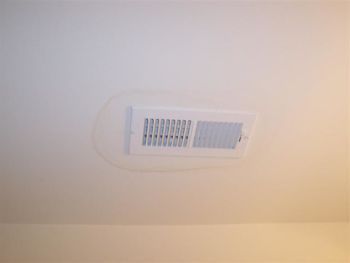
Explaining the Process of Indoor Air Quality Improvement in Coastal Neighborhoods Near Biscayne Bay
Indoor air quality is an important part of maintaining a comfortable and healthy home, especially in coastal neighborhoods near Biscayne Bay. In areas such as North Miami, Surfside, Bal Harbour, Sunny Isles Beach, and Miami Shores, humidity and moisture often affect the air inside homes and condominiums. Over time, dust, dampness, and hidden contaminants can accumulate, making the air feel stale or uncomfortable.
Improving indoor air quality is not just about using air fresheners or opening windows. It involves identifying the sources of contamination, correcting moisture issues, and restoring proper airflow throughout the property.
What Indoor Air Quality Really Means
Indoor air quality refers to the condition of the air inside a building, including humidity levels, airborne particles, odors, and ventilation efficiency. Poor air quality can develop gradually, often going unnoticed until odors or discomfort become obvious.
Factors that commonly affect indoor air quality include:
- High humidity levels
- Dust and debris in air ducts
- Moisture trapped in walls or ceilings
- Mold growth in concealed areas
- Poor ventilation
In coastal environments, humidity is often the primary factor influencing indoor air conditions.
Why Coastal Homes Near Biscayne Bay Face Air Quality Challenges
Coastal weather creates unique conditions that affect indoor air. Warm temperatures and high humidity slow evaporation and allow moisture to linger in structural materials.
Common environmental influences include:
- High humidity year-round
- Salt air affecting ventilation components
- Frequent storms and rain
- Condensation from air conditioning systems
- Limited airflow in tightly sealed buildings
These conditions are common in homes and condos throughout North Miami Beach, Aventura, and Biscayne Park as well.
Early Signs Indoor Air Quality Is Declining
Indoor air quality problems often develop gradually. Property owners may notice subtle changes before identifying the cause.
Common warning signs include:
- Musty or stale odors
- Air that feels damp or heavy
- Increased dust accumulation
- Uneven airflow or cooling
- Condensation around vents or windows
These signs often indicate elevated humidity or contaminants circulating through the air.
Hidden Sources That Affect Indoor Air
Many indoor air quality issues originate in areas that are rarely inspected. Moisture and debris can accumulate in concealed spaces, affecting air circulation over time.
Common hidden sources include:
- Air ducts and ventilation systems
- Attic insulation
- Wall cavities with past leaks
- Carpets and padding after water exposure
- Closets or storage areas with limited airflow
Because these areas are not visible, problems may persist until a thorough inspection is performed.
The Role of Humidity in Indoor Air Quality
Humidity is one of the most significant factors influencing air quality in coastal homes. When indoor humidity remains high, it can lead to:
- Mold growth in concealed areas
- Persistent odors
- Increased dust and allergens
- Reduced comfort levels
Maintaining balanced humidity levels helps prevent these problems and improves overall indoor comfort.
The Indoor Air Quality Improvement Process
Improving indoor air quality involves a structured process designed to identify and correct the underlying causes.
1. Inspection and Assessment
Technicians evaluate humidity levels, ventilation, and possible contamination sources. This includes examining areas where moisture may be present.
2. Moisture Detection
Moisture meters and thermal imaging tools are used to locate hidden damp areas behind walls, ceilings, or flooring. Removing moisture is often the first step in improving air quality.
3. Air Duct and Vent Inspection
Air ducts are checked for dust, debris, or moisture that could circulate through the home. Contaminated ducts can spread odors and particles throughout the property.
4. Cleaning and Filtration
Cleaning ventilation systems and affected surfaces helps remove contaminants and improve airflow.
5. Drying and Dehumidification
Industrial dehumidifiers and air movers may be used to reduce humidity and remove trapped moisture from structural materials.
Tip Top Water and Fire Damage Restoration frequently performs indoor air quality improvement work in coastal communities, where humidity and hidden moisture often affect air circulation.
The Connection Between Water Damage and Air Quality
Many indoor air quality issues are linked to past water damage. Even small leaks can leave moisture trapped in structural materials, leading to odors and mold growth.
Water-related problems that affect air quality often involve:
- Damp drywall or insulation
- Moisture in carpet padding
- Mold growth in concealed spaces
- Residue in air ducts
Proper drying after leaks or flooding is one of the most effective ways to protect indoor air quality.
HVAC Systems and Ventilation
Air conditioning systems play a major role in controlling humidity and circulating air. However, HVAC systems can also contribute to air quality problems if they are not maintained properly.
During inspections, technicians often check:
- Air ducts and vents
- Filters and air handlers
- Drain lines and condensate pans
- Insulated ductwork
Routine maintenance helps ensure that air circulates efficiently and remains clean.
Preventing Indoor Air Quality Problems
Preventive maintenance is one of the most effective ways to maintain healthy indoor air.
Helpful steps include:
- Repair leaks promptly
- Maintain air conditioning systems regularly
- Monitor indoor humidity levels
- Ensure proper ventilation in bathrooms and kitchens
- Schedule periodic inspections for moisture or mold
These steps help prevent conditions that allow contaminants to accumulate.
Why Local Experience Matters
Improving indoor air quality in coastal South Florida requires an understanding of local climate conditions and building designs. Homes and condos near Biscayne Bay often experience slower drying times and higher humidity levels than inland properties.
Professionals familiar with North Miami, Surfside, Bal Harbour, and Biscayne Park understand:
- How humidity affects airflow and drying
- Where hidden moisture is most likely to accumulate
- How ventilation systems behave in coastal environments
- How to prevent recurring air quality problems
Tip Top Water and Fire Damage Restoration has worked extensively in these neighborhoods, where indoor air quality improvement is often closely tied to moisture control.
A Calm, Practical Next Step
Indoor air quality problems rarely resolve on their own. Early inspection and proper moisture control help prevent mold, odors, and long-term structural issues.
For property owners in coastal neighborhoods near Biscayne Bay, maintaining clean, balanced indoor air is part of responsible home maintenance. Regular inspections, proper ventilation, and prompt repairs help ensure that indoor air remains comfortable, fresh, and safe year-round.