
Fire Damage Restoration in North Miami Beach High-Rise Condos: What to Watch For
A fire in a high-rise condo is different from a fire in a single-family home.
In North Miami Beach, where waterfront towers line Collins Avenue and stretch toward Sunny Isles Beach, fire damage isn’t just about what burned. It’s about smoke movement, shared ventilation systems, sprinkler discharge, and neighboring units.
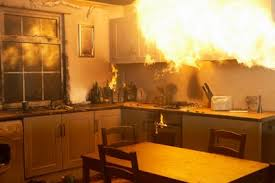
Even a small kitchen fire on the 18th floor can affect multiple condos vertically and horizontally.
Understanding what to watch for after a fire in a high-rise building helps condo owners, landlords, and property managers avoid long-term structural and moisture problems.
How Fire Damage Spreads in High-Rise Buildings
In high-rise condos, damage rarely stays contained to one unit.
Heat rises. Smoke travels. Water flows downward.
In buildings common throughout North Miami Beach and Aventura, shared duct systems and mechanical shafts allow smoke particles to move through:
- Hallways
- Elevator shafts
- Plumbing chases
- HVAC systems
- Utility corridors
Concrete construction limits structural flame spread, but smoke infiltration can be extensive.
What you see in your unit may only be part of the impact.
The Hidden Damage Beyond Burned Materials
When most people think of fire damage, they picture charred cabinets and blackened walls.
In reality, the more serious damage often involves:
- Acidic soot residue
- Smoke odor embedded in drywall
- Corrosion on metal fixtures
- Water intrusion from sprinkler systems
- HVAC contamination
Soot is not just cosmetic. It contains acidic compounds that begin damaging surfaces within hours.
In coastal areas like Sunny Isles Beach and Bal Harbour, salt air already accelerates corrosion. Add soot residue, and metal deterioration speeds up.
What Condo Owners Should Check Immediately
After a fire event in your building, even if it didn’t start in your unit, look for:
- Fine black dust on surfaces
- Smoke odor that lingers
- Water staining on ceilings
- Warped baseboards
- AC system performance changes
- Damp drywall or bubbling paint
Water from upper-floor sprinkler activation can travel down wall cavities into lower units.
In slab-based high-rises common in North Miami Beach, water may pool beneath flooring before visible damage appears.
Moisture detection becomes critical.
Water Damage After Fire: The Overlooked Problem
In many condo fires, water causes more structural damage than flames.
Sprinkler discharge and fire department suppression efforts introduce large volumes of water quickly.
Without proper water removal and structural drying:
- Mold can begin developing within 24–48 hours
- Drywall weakens
- Wood framing swells
- Flooring adhesives fail
This is especially true in humid South Florida conditions.
Flood restoration and fire damage cleanup often overlap in high-rise buildings.
Why High-Rise HVAC Systems Complicate Fire Restoration
Many condos in North Miami Beach share centralized HVAC systems or have individual air handlers connected to vertical duct shafts.
Smoke infiltration through these systems can lead to:
- Soot inside ductwork
- Odor circulation between units
- Contamination of air handlers
- Residue buildup on evaporator coils
Air duct cleaning is not cosmetic in these cases. It becomes part of preventing odor recirculation and indoor air quality problems.
AC drain pans also need inspection. Fire suppression water combined with condensation can create long-term moisture issues inside mechanical closets.
Mold Risks After Fire in Coastal High-Rises
Moisture plus humidity equals risk.
After fire suppression, high-rise units often remain closed for days during insurance processing and investigations. In North Miami Beach’s climate, that stagnant, humid environment accelerates microbial growth.
Watch for:
- Musty odors developing after cleanup
- Dark spotting on ceilings or walls
- Damp carpet padding
- Soft drywall around sprinkler heads
Professional mold inspection and moisture mapping should follow any significant water exposure.
Ignoring this step often leads to secondary remediation months later.
The Professional Fire Damage Restoration Process
Restoring a high-rise condo requires coordination and precision.
A structured process includes:
1. Damage Assessment
Evaluating soot spread, heat impact, and water intrusion across affected areas — including shared building systems when necessary.
2. Containment & Air Filtration
HEPA filtration units help capture airborne soot particles that continue circulating long after the fire is extinguished.
3. Soot & Residue Removal
Different soot types require different cleaning methods. Dry soot behaves differently from protein residue from kitchen fires.
Improper cleaning can smear or permanently stain surfaces.
4. Odor Neutralization
Surface cleaning alone does not remove smoke odor. Odor molecules embed inside porous materials.
Thermal fogging or hydroxyl treatments may be used depending on severity.
5. Water Extraction & Structural Drying
Commercial dehumidifiers and air movers remove trapped moisture from walls, ceilings, and flooring.
Moisture meters verify that drying is complete.
6. Repairs & Restoration
This may include drywall replacement, repainting, flooring repair, cabinet replacement, and HVAC servicing.
In high-rise settings, coordination with condo associations and building management is essential.
Common Mistakes Condo Owners Make
In buildings across Surfside, Miami Shores, and Biscayne Park, similar patterns appear after fire incidents.
Common missteps include:
- Cleaning soot with household cleaners
- Running AC systems before duct inspection
- Ignoring mild smoke odor
- Repainting over soot-stained drywall
- Assuming sprinkler water was fully dried
These shortcuts often lead to lingering odor or hidden mold growth.
Restoration should be methodical.
Why Local Experience in North Miami Beach Matters
Fire restoration in a coastal high-rise environment is different from inland residential work.
Professionals familiar with North Miami Beach understand:
- Building code differences in condo towers
- Shared ventilation systems
- Hurricane-resistant window assemblies
- Salt air corrosion factors
- Slab construction moisture retention
This local knowledge helps identify areas others might overlook.
Companies like Tip Top Water and Fire Damage Restoration have worked across North Miami Beach, Aventura, and Sunny Isles Beach in both residential homes and multi-story condos.
That experience influences inspection priorities and drying strategies.
Preventing Long-Term Issues After a Condo Fire
After restoration is complete, preventive steps matter.
Condo owners should:
- Schedule follow-up HVAC inspection
- Monitor humidity levels
- Inspect ceilings for delayed staining
- Keep drain lines clear
- Request moisture verification reports
Early detection prevents secondary problems.
High-rise living adds layers of complexity. Shared walls, ceilings, and ventilation systems mean one event can affect multiple units.
A Calm, Practical Path Forward
A fire in a condo tower can feel overwhelming.
But restoration in North Miami Beach is not about rushing — it’s about thorough evaluation and structured recovery.
When soot, smoke, and water are addressed correctly, most units can be fully restored without long-term damage.
The key is understanding what to watch for and ensuring moisture and contamination are handled professionally.
In a coastal environment where humidity never takes a day off, careful restoration isn’t optional.
It’s necessary.