Long-Term Protection Tips Related to Mold Testing in Coastal Neighborhoods Near Biscayne Bay
Mold testing is often associated with finding an existing problem, but it also plays an important role in long-term home protection. In coastal neighborhoods near Biscayne Bay, environmental conditions make moisture problems more likely, which means mold can develop quietly if properties are not monitored carefully.
For homeowners in areas such as North Miami, Miami Shores, Surfside, and Bal Harbour, mold testing is not only a response to visible growth—it is also a preventive step that helps protect structures, indoor air quality, and long-term property value.
What Mold Testing Actually Does
Mold testing helps determine whether mold spores are present in elevated levels and whether hidden growth may be developing. It is particularly useful when there are odors, past water damage, or persistent humidity but no visible mold.
Mold testing typically involves:
- Inspecting areas prone to moisture
- Measuring humidity and moisture levels
- Collecting air or surface samples when necessary
- Identifying conditions that allow mold to grow
This process helps property owners understand the level of risk and take preventive action.
Why Coastal Homes Near Biscayne Bay Need Mold Testing More Often
Coastal climates create ideal conditions for mold growth. Warm temperatures and high humidity allow moisture to linger in building materials longer than in inland areas.
Common environmental factors include:
- High humidity year-round
- Frequent rain and seasonal storms
- Salt air affecting building materials
- Slower drying after leaks
- Condensation from air conditioning systems
These conditions affect homes in North Miami Beach, Aventura, and Biscayne Park as well, especially in neighborhoods close to the water.
Long-Term Risks of Ignoring Moisture and Mold Testing
When moisture problems go undetected, mold can spread gradually behind walls or beneath flooring. By the time visible signs appear, structural materials may already be affected.
Problems that may develop over time include:
- Persistent odors
- Staining on walls and ceilings
- Deterioration of drywall or wood
- Reduced indoor air quality
- Increased restoration costs
Regular testing helps identify risks early, before damage becomes extensive.
Early Signs That Mold Testing May Be Needed
Even when mold is not visible, certain warning signs suggest that testing could be beneficial.
Common indicators include:
- Musty or damp odors
- Condensation around vents or windows
- Past roof or plumbing leaks
- Warped baseboards or flooring
- Increased humidity indoors
These signs often indicate hidden moisture that may allow mold to develop.
Hidden Areas Where Mold Often Begins
Real-world inspections in coastal homes frequently reveal mold growth in areas that are rarely seen during daily cleaning.
Common locations include:
- Behind drywall and baseboards
- Inside air ducts and vents
- Attic insulation and roof decking
- Beneath carpets and padding
- Closets or storage spaces with limited airflow
Because airflow is limited in these areas, moisture can remain trapped long enough for mold to grow.
Long-Term Protection Tip: Control Indoor Humidity
One of the most effective ways to prevent mold growth is maintaining balanced indoor humidity. In coastal environments, this often requires more than running air conditioning alone.
Helpful steps include:
- Using dehumidifiers when needed
- Keeping indoor humidity below recommended levels
- Ensuring proper ventilation in bathrooms and kitchens
- Running exhaust fans during cooking or showering
Humidity control significantly reduces the likelihood of mold developing.
Long-Term Protection Tip: Inspect and Maintain Roofing and Plumbing
Water intrusion is one of the most common causes of mold in coastal homes. Small leaks may go unnoticed for long periods, allowing moisture to accumulate.
Preventive measures include:
- Inspecting roofs after storms
- Checking plumbing connections periodically
- Monitoring ceilings for stains or discoloration
- Repairing leaks promptly
Early repairs often prevent mold growth and costly restoration work.
Long-Term Protection Tip: Maintain HVAC Systems
Air conditioning systems play a major role in humidity control, but they can also contribute to mold problems if not maintained properly.
Routine HVAC maintenance should include:
- Cleaning or replacing filters regularly
- Inspecting condensate drain lines
- Checking ducts for dust or moisture
- Ensuring proper airflow throughout the home
Clean, well-maintained HVAC systems help improve indoor air quality and reduce moisture buildup.
Long-Term Protection Tip: Schedule Periodic Moisture Inspections
Even when no visible problems are present, periodic moisture inspections can help detect hidden issues before mold develops.
Moisture detection can identify:
- Damp drywall or insulation
- Hidden plumbing leaks
- Condensation inside walls
- Areas where drying was incomplete after past water damage
Early detection allows small problems to be corrected before they spread.
The Mold Testing Process Explained
Professional mold testing follows a structured process designed to identify risks accurately.
1. Visual Inspection
Technicians examine areas prone to moisture or past water damage.
2. Moisture Detection
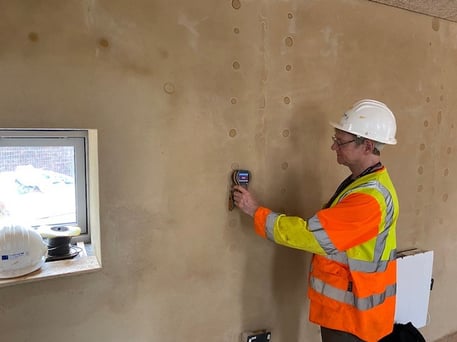
Moisture meters and thermal imaging tools help locate hidden damp areas.
3. Air or Surface Sampling (When Needed)
Samples may be collected to determine spore levels and types of mold present.
4. Evaluation and Recommendations
Findings are reviewed, and steps are recommended to reduce moisture and prevent growth.
Tip Top Water and Fire Damage Restoration regularly performs mold testing in coastal communities near Biscayne Bay, where humidity often makes early detection essential.
The Connection Between Water Damage and Mold Testing
Many mold problems begin after minor water damage that appears to have dried. Moisture trapped inside materials can remain for weeks, creating ideal conditions for mold growth.
Situations where mold testing is especially helpful include:
- After roof leaks or plumbing failures
- Following flooding or storm damage
- When odors persist after drying
- Before purchasing or renovating a property
Testing helps confirm whether conditions are safe and stable.
Why Local Experience Matters
Mold testing in coastal South Florida requires an understanding of local climate conditions and building construction. Homes near Biscayne Bay often retain moisture longer than inland properties, increasing the risk of hidden mold.
Professionals familiar with North Miami, Surfside, Bal Harbour, and Miami Shores understand:
- How coastal humidity affects drying
- Where hidden moisture is most likely to occur
- How ventilation systems behave in humid climates
- How to prevent recurring mold problems
Tip Top Water and Fire Damage Restoration has extensive experience working in these neighborhoods, where mold testing is often an important part of long-term property maintenance.
A Practical Approach to Long-Term Protection
Mold testing is not only about identifying existing problems—it is also a preventive step that helps protect homes from future damage. Monitoring humidity, maintaining HVAC systems, and addressing moisture quickly all contribute to long-term protection.
For property owners in coastal neighborhoods near Biscayne Bay, regular inspections and moisture awareness are key to maintaining a clean, dry, and comfortable indoor environment for years to come.