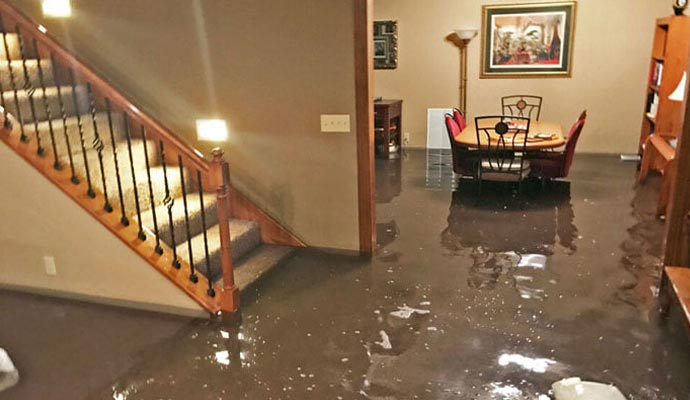
Understanding Flood Restoration in Bal Harbour Following Indoor Flooding
Flooding is a pressing concern for homeowners in Bal Harbour, particularly in coastal areas where high tides, storm surges, and heavy rains are common. Indoor flooding can strike unexpectedly, resulting in waterlogged floors, soaked carpets, damaged walls, and compromised electrical and HVAC systems. For homeowners, the aftermath of a flood extends beyond immediate cleanup; proper flood restoration is essential to protect health, prevent structural damage, and maintain property value.
Understanding the flood restoration process and its critical components enables homeowners to respond effectively. This guide covers the causes of indoor flooding in Bal Harbour, the risks associated with delayed restoration, the professional restoration process, and strategies to prevent future incidents.
Causes of Indoor Flooding in Bal Harbour Homes
1. Storms and Heavy Rain
Bal Harbour’s coastal location makes it particularly susceptible to tropical storms, hurricanes, and intense rainfall events. Even a few inches of water can penetrate through windows, doors, and low-lying areas, causing extensive interior damage.
2. Plumbing Failures
Burst pipes, leaking water heaters, and clogged drains are common culprits of indoor flooding. Aging plumbing infrastructure in older homes increases the likelihood of sudden water intrusion.
3. HVAC Condensation and AC Failures
Air conditioning units and HVAC systems can generate excess condensation, which may overflow if drainage lines are blocked or the system malfunctions, leading to water accumulation indoors.
4. Groundwater Seepage
High water tables in coastal regions can cause water to seep into basements, crawlspaces, or slab foundations during heavy rainfall, exacerbating indoor flooding.
5. Tenant or Occupant Negligence
For rental properties, tenants may inadvertently leave faucets running, neglect minor leaks, or fail to report water damage, allowing small problems to escalate into significant flooding.
Risks of Delayed Flood Restoration
Failing to act promptly after indoor flooding can have serious consequences:
- Structural Damage: Wood framing, drywall, and flooring materials can warp, rot, or weaken over time.
- Mold and Mildew: Moist environments provide ideal conditions for mold growth, which can begin within 24–48 hours after water intrusion.
- Electrical Hazards: Water contact with wiring, outlets, and appliances can create fire and electrocution risks.
- HVAC Contamination: Water can damage ducts, allowing mold spores and contaminants to circulate throughout the home.
- Decreased Property Value: Untreated water damage and mold can reduce the market value and appeal of a property.
Early intervention through professional flood restoration is essential to mitigate these risks.
The Flood Restoration Process
1. Emergency Response
Professional restoration teams first secure the property:
- Remove standing water using industrial pumps or wet/dry vacuums
- Board up doors or windows if structural integrity is compromised
- Ensure electrical systems are shut off to prevent hazards
Prompt emergency response reduces damage and sets the stage for thorough restoration.
2. Water Damage Assessment
Technicians perform a comprehensive inspection:
- Identify all areas affected by water
- Determine the type of water (clean, grey, or black)
- Assess the extent of structural and material damage
Modern tools such as moisture meters and thermal imaging cameras help detect hidden water behind walls or under floors.
3. Water Extraction and Drying
Using industrial-grade air movers, dehumidifiers, and fans, water and residual moisture are removed from walls, flooring, and furniture. Continuous monitoring ensures that the property reaches safe moisture levels.
4. Mold Prevention
Even after drying, areas prone to dampness may require mold prevention measures:
- Application of antimicrobial solutions to treated surfaces
- Removal of porous materials that cannot be salvaged
- Targeted cleaning of HVAC ducts and vents
These steps prevent mold from taking hold and safeguard indoor air quality.
5. Structural Repairs
Damaged drywall, insulation, and flooring are repaired or replaced. Electrical and HVAC systems are inspected and restored as necessary to ensure safety and functionality. Restoration may also include painting, flooring refinishing, and installation of water-resistant materials to reduce future risks.
6. Post-Restoration Verification
A final inspection confirms that:
- Water has been fully removed
- Surfaces are dry and structurally sound
- No mold or microbial activity remains
- Electrical and HVAC systems are safe
Homeowners are then provided with recommendations to maintain a dry and safe environment.
Preventive Measures for Bal Harbour Homeowners
1. Maintain Plumbing and HVAC Systems
Regular inspections of plumbing, AC units, and drainage systems can detect small issues before they cause major flooding.
2. Monitor Indoor Humidity
Use dehumidifiers in high-humidity areas and ensure proper ventilation in bathrooms, kitchens, and attics.
3. Install Flood Barriers
Doors and windows can be fitted with temporary or permanent barriers to prevent water intrusion during storms.
4. Landscape and Drainage Management
Proper grading, gutter cleaning, and French drains help direct water away from the foundation.
5. Educate Tenants
In rental properties, tenants should be instructed to report leaks immediately and avoid practices that increase flood risk.
Challenges Unique to Coastal Properties
- High Humidity Year-Round: Makes complete drying more difficult, requiring continuous monitoring.
- Salt Air Exposure: Accelerates corrosion of metal components, complicating restoration.
- Older Construction: Homes built with traditional materials may absorb water more readily, creating hidden moisture pockets.
- Frequent Storms: Increase the likelihood of repeated indoor flooding, necessitating robust preventive strategies.
Health Implications of Ignoring Flood Restoration
Failure to properly address indoor flooding can lead to:
- Persistent mold and mildew affecting respiratory health
- Structural damage posing safety hazards
- Electrical risks leading to potential fires or shocks
- Reduced property marketability and insurance complications
Professional flood restoration ensures that health, safety, and property value are preserved.
Conclusion
Flooding in Bal Harbour presents significant challenges for homeowners, particularly in coastal and rental properties. Indoor flooding can damage structures, promote mold growth, and create safety hazards if not addressed promptly. Understanding the causes, implementing timely professional flood restoration, and taking preventive measures are essential for protecting both the property and its occupants.
Professional flood restoration includes emergency water removal, moisture assessment, drying, mold prevention, structural repairs, and post-restoration verification. By following this process, homeowners can restore their homes to a safe and habitable condition while minimizing long-term damage and costs. Proactive planning, maintenance, and education also reduce the likelihood of future flooding incidents, ensuring that coastal properties in Bal Harbour remain resilient against the challenges posed by water intrusion.