
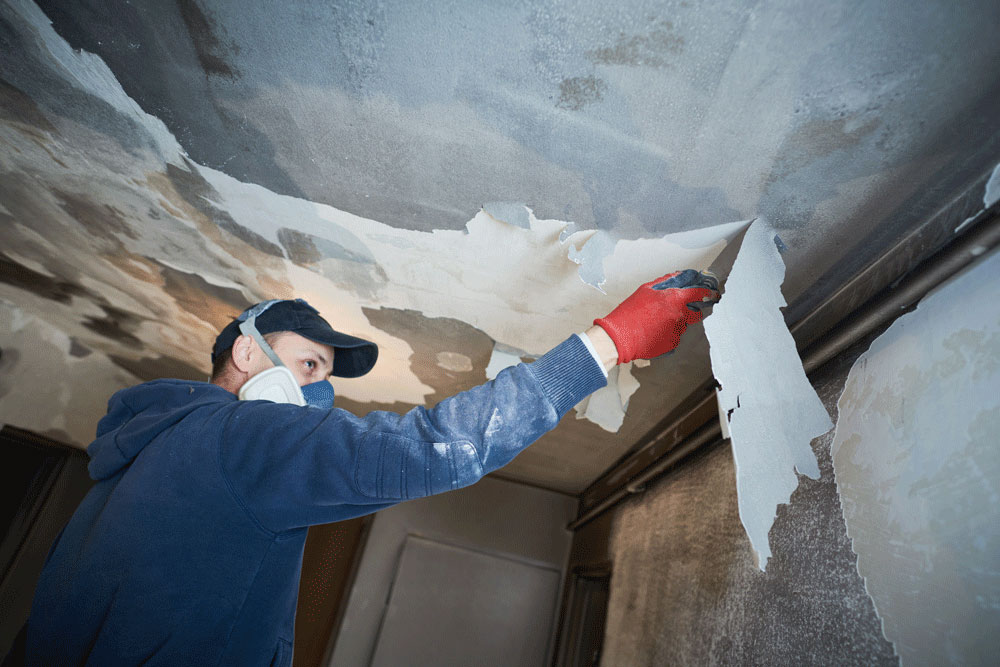
When Homes Require Smoke Damage Cleanup in Coastal Neighborhoods Near Biscayne Bay
In coastal neighborhoods near Biscayne Bay, smoke doesn’t behave the way many homeowners expect.
From North Miami and Miami Shores to Biscayne Park and the bayfront edges of North Miami Beach, homes here are open, airy, and heavily ventilated. Large sliding doors, high ceilings, and constant airflow change how smoke spreads after even a minor fire event.
In many cases, the flames are limited.
The smoke is not.
Understanding when smoke damage cleanup becomes necessary — even if the fire seemed small — helps prevent long-term structural and air quality problems in coastal South Florida properties.
Small Fires, Widespread Smoke
One of the most common scenarios near Biscayne Bay involves small kitchen fires.
Grease flare-ups, oven mishaps, or electrical malfunctions often get extinguished quickly. There may be minimal visible charring.
But smoke rises fast in open-concept waterfront homes.
It travels into:
- Vaulted ceilings
- HVAC returns
- Adjacent rooms
- Hallways and stairwells
In homes near the water, natural airflow can distribute smoke particles throughout the entire structure within minutes.
Even if one room appears affected, the entire home often requires evaluation.
The Role of Coastal Humidity
Humidity changes everything.
In bayfront neighborhoods, elevated moisture in the air causes smoke particles to adhere more aggressively to surfaces.
Soot bonds to:
- Painted drywall
- Wood cabinetry
- Ceiling textures
- Window frames
- Metal fixtures
In humid environments, odor also lingers longer.
Homeowners often report that smoke smell seems to fade — then return on humid days.
That’s because moisture in the air reactivates odor particles embedded in porous materials.
Smoke cleanup in coastal areas must account for this reactivation effect.
HVAC Systems Spread Contamination Quickly
In North Miami and surrounding coastal communities, air conditioning systems run nearly year-round.
After a fire event, even a small one, HVAC systems can:
- Pull smoke into ductwork
- Circulate soot throughout the house
- Contaminate air handler components
- Embed odor inside insulation
If the AC runs before inspection, contamination spreads further.
Air duct cleaning often becomes necessary during smoke damage cleanup, especially in bayfront properties with open layouts and large return vents.
Ignoring HVAC systems is one of the most common reasons odor returns.
When Visible Damage Is Only the Surface
Homes near Biscayne Bay frequently feature:
- High ceilings
- Exposed beams
- Skylights
- Custom millwork
Smoke rises and settles on upper surfaces first.
Often, homeowners clean eye-level areas but overlook:
- Ceiling cavities
- Light fixtures
- Crown molding
- Attic insulation
Soot is acidic. Over time, it corrodes metal hardware and discolors finishes.
Even in luxury homes in Bal Harbour and Sunny Isles Beach, subtle staining may continue worsening if not properly treated.
Water Damage After Fire Suppression
Even minor fires often involve water.
Whether from extinguishers or fire department response, moisture may enter:
- Flooring
- Ceiling cavities
- Wall insulation
In slab-based homes common throughout Miami Shores and Biscayne Park, water spreads beneath tile or wood flooring.
If structural drying isn’t performed quickly, mold growth becomes a secondary issue.
Smoke damage cleanup frequently overlaps with water damage repair and mold inspection in coastal neighborhoods.
Ignoring the moisture side of a fire event leads to repeat remediation later.
Signs Your Home Requires Professional Smoke Cleanup
In coastal neighborhoods near Biscayne Bay, consider professional cleanup if you notice:
- Persistent smoky odor
- Gray or yellow film on surfaces
- Staining near vents
- Corrosion on metal fixtures
- Irritation when the AC runs
- Residue on window tracks
Even if visible soot seems minimal, odor alone often indicates embedded contamination.
Surface wiping is rarely sufficient in humid coastal climates.
Why DIY Cleanup Often Fails
Homeowners often attempt:
- Household cleaners
- Vinegar solutions
- Repainting stained walls
- Air fresheners
The issue is chemical.
Soot contains acidic compounds that smear when wiped improperly.
Repainting without sealing contaminated drywall traps odor inside walls.
Without containment and filtration, airborne particles continue circulating.
Professional smoke damage cleanup uses:
- HEPA air filtration
- Specialized soot sponges
- Targeted cleaning solutions
- Controlled odor neutralization
Surface-level cleaning rarely resolves embedded contamination.
The Professional Smoke Cleanup Process
In coastal neighborhoods near Biscayne Bay, a structured process typically includes:
1. Comprehensive Assessment
Determine how far smoke traveled — including attic spaces and HVAC systems.
2. Air Filtration Setup
HEPA air scrubbers remove airborne soot particles during cleaning.
3. Residue Removal
Different soot types require different cleaning methods.
Incorrect techniques can permanently stain surfaces.
4. Odor Neutralization
Depending on severity, treatments may include hydroxyl technology or thermal fogging.
These methods target odor molecules embedded inside porous materials.
5. Moisture Evaluation
If water was involved, structural drying follows.
Companies like Tip Top Water and Fire Damage Restoration frequently address both smoke and moisture-related damage in bayfront communities.
Skipping steps leads to lingering odor and corrosion.
Coastal Construction Factors
Homes near Biscayne Bay often feature concrete block construction and impact-resistant windows.
While these materials resist structural fire spread, smoke still infiltrates:
- Electrical conduits
- Attic ventilation
- Interior cavities
Large glass openings and sliding doors increase airflow during fire events, allowing smoke to spread quickly.
Understanding how these building features affect contamination is critical to thorough cleanup.
Long-Term Risks If Smoke Isn’t Properly Addressed
When smoke damage cleanup is incomplete, homeowners may experience:
- Persistent odor
- Surface staining that reappears
- Corrosion of hardware
- Mold growth if moisture was present
- Indoor air quality decline
In humid coastal environments, these problems intensify over time.
What seems minor immediately after the fire may worsen months later.
A Practical Perspective for Coastal Homeowners
Near Biscayne Bay, even small fire events require careful evaluation.
Humidity, salt air, and continuous HVAC operation amplify smoke-related damage.
If you’ve experienced:
- A kitchen flare-up
- An electrical fire
- Smoke infiltration from a nearby property
…it’s wise to assess more than just visible charring.
Smoke damage cleanup in coastal South Florida isn’t just about cleaning walls.
It’s about protecting structural materials, indoor air quality, and long-term property integrity in an environment where moisture and salt accelerate every process.
Handled methodically, most homes can be fully restored.
But only if both smoke and moisture are addressed completely.