
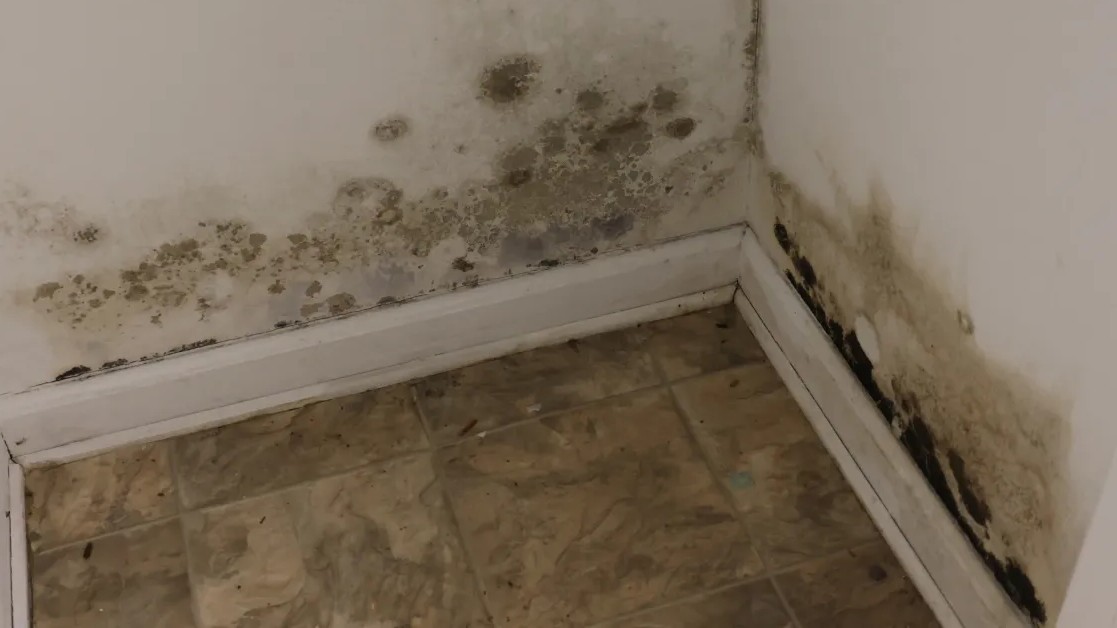
Mold Testing in Coastal Neighborhoods Near Biscayne Bay: How Coastal Conditions Make Things Worse
If you live near Biscayne Bay, mold isn’t a rare event.
It’s an environmental reality that has to be managed.
From North Miami and Miami Shores to Biscayne Park and the waterfront edges of North Miami Beach, coastal air carries constant humidity. Add heavy seasonal rain, high groundwater levels, and nonstop air conditioning, and you have a setting where mold growth can accelerate quickly.
Mold testing in these neighborhoods isn’t about overreacting. It’s about understanding how coastal conditions amplify moisture problems — and confirming what’s really happening inside walls, ducts, and ceilings.
Why Coastal Air Changes the Mold Equation
In inland cities, mold usually follows a specific water event — a pipe burst or a roof leak.
Near Biscayne Bay, prolonged humidity alone can create conditions for growth.
Coastal air introduces:
- Elevated ambient humidity
- Salt-laden moisture
- Slower evaporation rates
- Frequent wind-driven rain
When indoor humidity remains above 55–60% for extended periods, surfaces stay damp longer than homeowners realize.
That extended dampness allows mold colonies to establish even without visible standing water.
This is one reason mold testing is more common in waterfront communities than many expect.
Prolonged Humidity = Faster Growth
During late summer and storm season, humidity can remain high for weeks.
In coastal neighborhoods:
- Homes remain closed during heavy rain
- AC systems run continuously
- Outdoor air stays saturated
If ventilation isn’t balanced properly, interior moisture accumulates.
Even small AC leaks or minor roof seepage that might dry naturally inland remain damp longer here.
The longer materials stay wet, the greater the chance mold develops behind drywall, inside insulation, or within duct systems.
Mold testing often confirms growth in areas homeowners never suspected.
Slab Construction and Ground Moisture
Many homes near Biscayne Bay sit on concrete slabs.
When groundwater levels rise after prolonged rain:
- Moisture migrates upward
- Flooring adhesives weaken
- Subfloor layers absorb dampness
Tile flooring may appear unaffected, but moisture beneath can feed mold growth along baseboards and inside walls.
Professional moisture detection frequently reveals hidden dampness during mold testing appointments.
Without testing, odor and air quality complaints continue without clear explanation.
Wind-Driven Rain and Hidden Intrusion
Coastal storms push rain horizontally.
Water enters through:
- Window frames
- Sliding glass doors
- Roof flashing
- Exterior wall penetrations
Even well-built homes in North Miami Beach and Aventura experience minor seal failures over time.
The intrusion may be subtle — just enough to dampen insulation inside wall cavities.
Because coastal humidity slows drying, these damp areas become long-term mold risks.
Mold testing helps determine whether these hidden intrusions have resulted in active growth.
The Role of HVAC Systems in Coastal Mold Issues
In South Florida, AC systems are central to moisture control.
But when systems struggle during extended humid periods, problems arise.
Common findings during mold testing include:
- Damp air handler insulation
- Clogged condensate drain lines
- Mold growth inside return ducts
- Excess condensation in mechanical closets
Because HVAC systems circulate air throughout the property, contamination in one area spreads quickly.
Air sampling during mold testing often reveals elevated spore levels tied directly to HVAC components.
In high-rise condos near Bal Harbour and Sunny Isles Beach, shared ventilation systems complicate the situation further.
Why Mold Testing Matters in Coastal Properties
Some homeowners question whether testing is necessary.
In coastal environments, testing serves several purposes:
- Confirming whether growth is active
- Comparing indoor vs. outdoor spore levels
- Identifying hidden contamination
- Supporting remediation plans
- Verifying cleanup after mold removal
In humid regions near Biscayne Bay, visual inspection alone may miss concealed growth.
Air and surface sampling provide data that supports informed decisions.
Companies like Tip Top Water and Fire Damage Restoration use mold testing strategically — not automatically — when signs suggest hidden moisture or contamination.
Common Signs That Trigger Mold Testing
In coastal neighborhoods, mold testing is often requested when homeowners notice:
- Persistent musty odor
- Dark staining along ceilings
- Damp AC closets
- Increased indoor dust
- Irritation when the AC runs
- Recent water intrusion
Sometimes there’s no visible mold at all.
Odor alone can indicate microbial activity inside ductwork or wall cavities.
Testing clarifies whether remediation is needed or if humidity control alone will resolve the issue.
Salt Air and Corrosion: An Overlooked Factor
Salt-laden air near Biscayne Bay accelerates corrosion of:
- Drain pans
- Plumbing fittings
- Window hardware
- Roof fasteners
Corroded components fail more quickly, introducing moisture into structural areas.
Over time, repeated small leaks create the ideal conditions for mold.
Coastal corrosion is a unique driver of mold problems in these neighborhoods.
Testing often reveals growth in areas affected by long-term material degradation.
Why DIY Mold Kits Are Unreliable in Coastal Areas
In humid coastal climates, mold spores are naturally present in outdoor air.
DIY test kits often:
- Capture normal environmental spores
- Provide results without context
- Lead to unnecessary concern
Professional mold testing compares indoor samples to outdoor baselines and considers moisture findings.
Without moisture mapping, test results lack meaning.
Testing without understanding humidity patterns can be misleading.
Mold Testing After Water Damage
Following flooding or storm intrusion, mold testing becomes especially relevant.
Even after water removal:
- Insulation may remain damp
- Subflooring may hold moisture
- Wall cavities may dry slowly
Testing helps confirm whether microbial growth has begun.
In coastal neighborhoods, waiting weeks after water damage increases the likelihood that remediation will be necessary.
Early testing reduces long-term structural impact.
Preventing Mold in Coastal Environments
Prevention near Biscayne Bay requires active moisture management.
Property owners should:
- Keep indoor humidity below 55%
- Service AC systems regularly
- Flush condensate lines quarterly
- Inspect roof and window seals annually
- Address water intrusion immediately
- Schedule periodic moisture inspections
Coastal conditions make small moisture problems larger over time.
Routine monitoring reduces the need for extensive mold removal.
Why Local Experience Makes a Difference
Mold testing in coastal South Florida differs from testing in dry inland climates.
Professionals familiar with North Miami, Miami Shores, Biscayne Park, and surrounding waterfront communities understand:
- Slab moisture behavior
- Tidal flooding cycles
- Salt corrosion patterns
- High-rise mechanical systems
- Extended drying timelines
That local knowledge improves interpretation of results and prevents misdiagnosis.
Testing in a coastal environment requires context.
A Practical Perspective
Near Biscayne Bay, humidity isn’t temporary.
It’s ongoing.
Mold testing in these neighborhoods isn’t about fear — it’s about clarity.
Coastal conditions amplify moisture retention, slow drying, and increase the likelihood of hidden growth.
When musty odor appears or after water intrusion occurs, testing helps determine whether a simple humidity adjustment is needed — or full mold remediation.
In waterfront communities, moisture management is constant.
Testing provides the information necessary to keep small problems from becoming structural ones.