
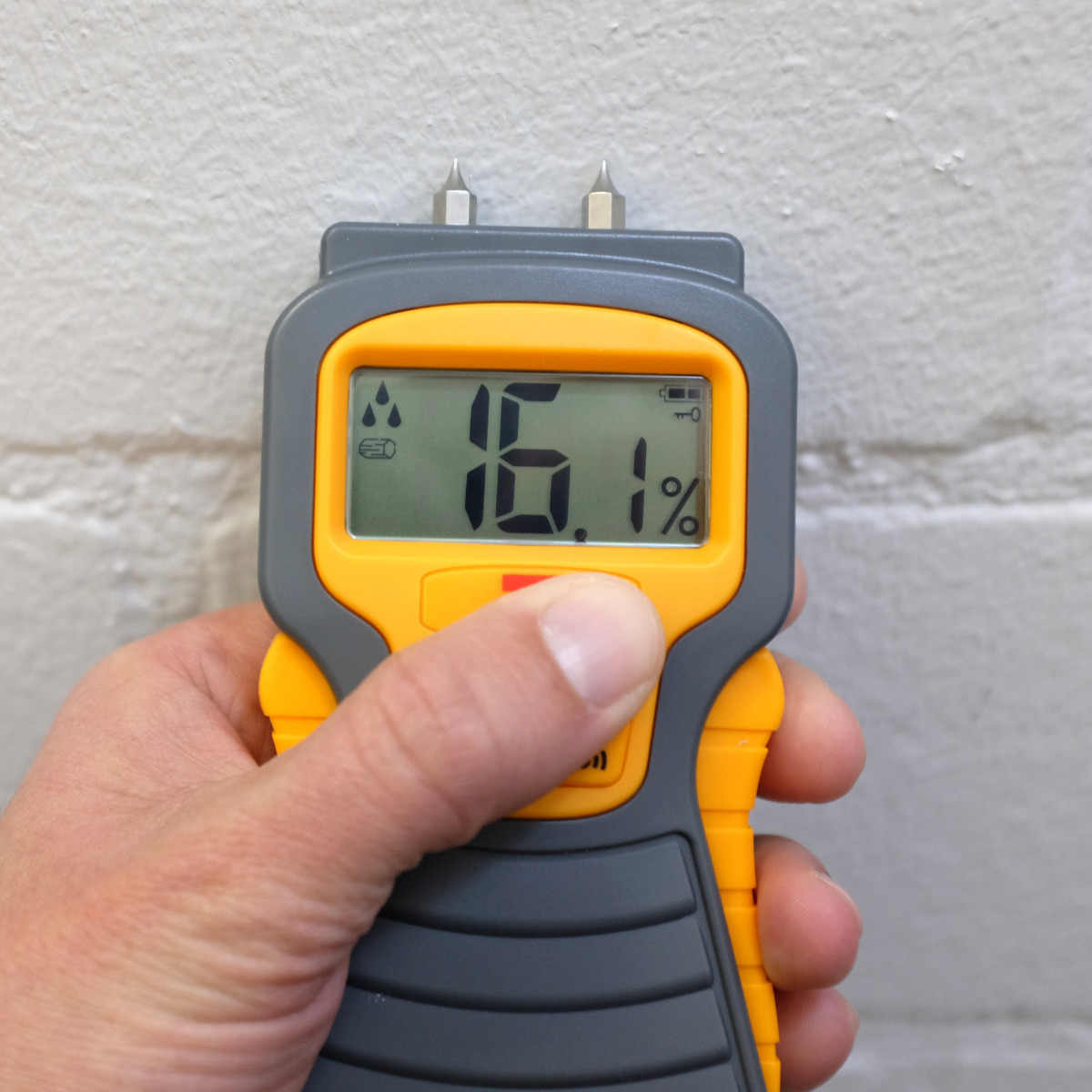
Moisture Detection in Bayfront Homes in North Miami Waterfront Properties: What to Watch For
Living on the water in North Miami comes with incredible views — and constant moisture pressure.
Bayfront homes near Biscayne Bay, Keystone Point, and eastern North Miami neighborhoods face a different set of maintenance realities than inland properties. Humidity levels stay elevated, salt air accelerates material breakdown, and heavy storms test every seam, joint, and drain line.
Moisture detection in these waterfront homes isn’t just a precaution.
It’s part of protecting the structure long term.
Understanding what to watch for helps homeowners catch problems before they turn into water damage repair or mold remediation projects.
Why Bayfront Homes Hold Moisture Longer
Waterfront properties deal with:
- Higher baseline humidity
- Tidal groundwater influence
- Wind-driven rain
- Continuous AC operation
- Salt-laden coastal air
Even when there’s no visible flooding, building materials absorb moisture gradually.
Drywall, baseboards, insulation, and even concrete slabs can retain dampness longer than homeowners realize.
In North Miami’s bayfront communities, natural drying is slower because outdoor humidity often matches or exceeds indoor levels.
That’s why professional moisture detection is often necessary even when surfaces appear dry.
Watch Air Handler Closets Closely
In waterfront homes, AC systems run nearly nonstop.
During extended humid periods, condensation production increases. If drain lines clog or pans corrode from salt exposure, water accumulates inside mechanical closets.
Warning signs include:
- Musty odor near the unit
- Damp drywall around the air handler
- Rust forming on metal components
- Soft baseboards nearby
Moisture detection around HVAC systems is one of the most common preventive inspections in North Miami bayfront homes.
AC-related dampness is often the first step toward mold growth.
Check Sliding Glass Doors and Window Frames
Bayfront homes often feature large sliding doors and wide window assemblies.
These are also common entry points for wind-driven rain.
Water intrusion may not leave visible puddles. Instead, it may:
- Soak into door tracks
- Travel beneath thresholds
- Saturate adjacent drywall
- Accumulate under flooring
After heavy storms, inspect door frames and window seals.
Even subtle moisture in these areas can spread laterally across slab foundations.
Professional moisture meters often detect hidden dampness long before staining appears.
Roof and Attic Areas Deserve Attention
Low-slope and flat roof designs are common in North Miami waterfront properties.
Ponding water after heavy rain stresses roofing membranes.
Minor vulnerabilities allow moisture into:
- Attic insulation
- Roof decking
- Ceiling cavities
In humid coastal air, attic spaces may remain damp for extended periods.
If ventilation is inadequate, condensation can form along rafters and insulation.
Moisture detection in attics helps identify issues before ceiling damage becomes visible.
Slab Foundations and Ground Moisture Migration
Many bayfront homes sit on concrete slabs.
After prolonged rain or tidal fluctuation, groundwater levels rise.
Moisture can migrate upward through:
- Hairline slab cracks
- Porous concrete
- Expansion joints
Tile flooring may look unaffected, but subfloor layers can remain damp beneath.
Over time, this trapped moisture contributes to:
- Warped baseboards
- Musty odor
- Mold growth along walls
Moisture mapping tools help confirm whether flooring and wall bases are truly dry.
Signs That Indicate Hidden Moisture
In North Miami waterfront homes, watch for:
- Persistent musty smells
- Bubbling paint
- Dark staining near ceilings
- Warped trim
- Damp carpet edges
- Increased indoor humidity
Even small symptoms can indicate larger hidden problems.
Coastal humidity allows damp materials to remain wet longer than expected.
Early detection prevents full structural drying projects later.
Salt Air and Material Degradation
Salt exposure is often overlooked.
Coastal air accelerates corrosion of:
- Drain pans
- Plumbing fittings
- Window hardware
- Roof flashing
Corroded components eventually fail, leading to leaks.
In bayfront homes, routine inspection of metal fittings is essential.
Moisture detection sometimes reveals slow leaks caused by salt-induced corrosion.
Ignoring these small failures often leads to larger water damage repair needs.
High-End Finishes Hide Moisture
Many North Miami waterfront homes feature:
- Imported tile
- Engineered wood flooring
- Custom millwork
- Built-in cabinetry
These finishes can conceal moisture beneath the surface.
By the time visible damage appears, subflooring or framing may already be affected.
Moisture detection tools allow professionals to check behind finished surfaces without unnecessary demolition.
Companies like Tip Top Water and Fire Damage Restoration often use moisture mapping to prevent unnecessary removal of materials while still confirming structural dryness.
When Moisture Detection Is Most Important
In waterfront properties, schedule moisture evaluation:
- After heavy storms
- Following any water intrusion
- When musty odor develops
- After AC leaks
- Before purchasing a bayfront property
- After flood restoration
Early inspection prevents small moisture issues from escalating into mold removal or major repairs.
The Link Between Moisture and Mold
Mold doesn’t appear randomly.
It follows moisture.
In high-humidity coastal environments, mold can begin developing within 24–48 hours of sustained dampness.
Moisture detection is often the step that prevents full mold remediation.
Identifying and correcting damp conditions early protects indoor air quality and structural materials.
Why Local Experience Matters
Moisture behavior in North Miami waterfront homes differs from inland properties.
Professionals familiar with North Miami, North Miami Beach, and nearby Biscayne Bay neighborhoods understand:
- Tidal groundwater effects
- Slab moisture migration
- Coastal corrosion patterns
- High-rise mechanical influences
- Extended drying timelines
Local experience improves accuracy and prevents missed problem areas.
A Practical Perspective for Bayfront Homeowners
In waterfront properties, moisture isn’t occasional.
It’s constant.
Moisture detection in North Miami bayfront homes isn’t about reacting to obvious flooding. It’s about identifying subtle dampness before it becomes structural damage.
Watch mechanical closets.
Inspect door thresholds.
Check attic spaces.
Monitor humidity.
Handled proactively, most moisture issues can be corrected before they require major restoration.
In a coastal environment, early detection is the difference between routine maintenance and full-scale repair.