
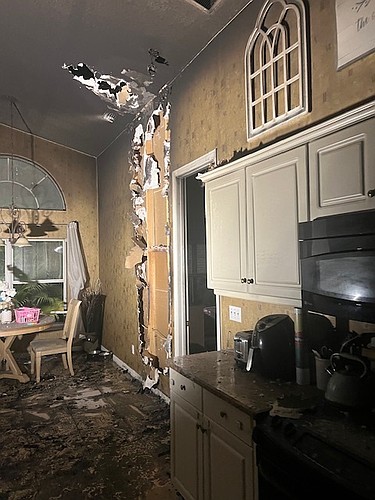
A Property Owner’s Guide to Fire Damage Restoration in North Miami
A fire in your North Miami property doesn’t have to be large to cause serious damage.
In many cases, the flames are contained quickly. What lingers is smoke, soot, odor, and often water from suppression efforts. In a coastal climate where humidity is constant and AC systems run year-round, the restoration process requires more than surface cleaning.
Whether you own a single-family home near Biscayne Park, a waterfront property overlooking Biscayne Bay, or a condo in North Miami Beach, understanding how fire damage restoration works helps you protect both the structure and indoor air quality long term.
Fire Damage Is More Than Burned Materials
When most property owners think of fire damage, they picture charred cabinets or blackened walls.
In reality, the most widespread damage in North Miami properties often includes:
- Acidic soot residue
- Smoke odor embedded in drywall
- HVAC contamination
- Corrosion of metal fixtures
- Water intrusion from sprinklers or hoses
Even small kitchen fires can distribute soot throughout an entire home through return vents and open layouts.
In humid coastal air, soot bonds to surfaces more aggressively and odor lingers longer.
Step 1: Immediate Damage Assessment
The first phase of restoration is evaluation.
Professionals assess:
- Extent of fire and heat impact
- Spread of soot and smoke
- Water intrusion from suppression
- HVAC system contamination
- Structural integrity
In North Miami homes with open-concept designs, smoke often travels far beyond the ignition point.
In high-rise condos in nearby Sunny Isles Beach or Aventura, shared ventilation systems can allow contamination to spread between units.
Assessment must be thorough.
Step 2: Securing and Stabilizing the Property
Before cleaning begins, stabilization is critical.
This may include:
- Boarding damaged windows
- Covering roof openings
- Isolating affected rooms
- Shutting down contaminated HVAC systems
In coastal neighborhoods, humidity can worsen soot staining and odor if the environment isn’t controlled quickly.
Air filtration systems are often installed early to prevent particles from continuing to circulate.
Step 3: Soot and Smoke Residue Removal
Soot is acidic.
If not removed properly, it can:
- Permanently stain surfaces
- Corrode metal hardware
- Damage electronics
- Embed odor into porous materials
Different types of fires produce different soot.
For example:
- Protein fires (often kitchen-related) create greasy, sticky residue
- Electrical fires produce fine, powdery soot
Improper cleaning can smear residue deeper into materials.
Professional smoke damage cleanup uses specialized techniques to lift soot without spreading it.
Step 4: Addressing Water Damage from Suppression
In many North Miami properties, water causes more damage than flames.
Sprinkler systems and fire department hoses introduce significant moisture quickly.
Water often saturates:
- Flooring
- Insulation
- Wall cavities
- Ceiling materials
Because humidity remains high year-round in South Florida, drying must be controlled and verified.
Structural drying typically includes:
- Industrial dehumidifiers
- High-velocity air movers
- Moisture monitoring tools
Skipping proper drying often leads to mold remediation weeks later.
Companies like Tip Top Water and Fire Damage Restoration frequently address both fire and water damage simultaneously to prevent secondary issues.
Step 5: HVAC Inspection and Air Duct Cleaning
In North Miami homes, AC systems rarely stop running.
If the system operated during or after the fire, smoke likely entered the ductwork.
Contaminated HVAC systems can:
- Recirculate soot particles
- Spread odor throughout the property
- Contribute to indoor air quality issues
Air duct cleaning and HVAC inspection are often necessary during fire restoration.
In high-rise buildings near Bal Harbour and North Miami Beach, shared mechanical systems may require coordinated inspection.
Ignoring the HVAC system often leads to persistent odor even after cleaning.
Step 6: Odor Neutralization
Smoke odor embeds deeply in porous materials.
Repainting alone does not eliminate odor.
Professional odor neutralization methods may include:
- Hydroxyl treatment
- Thermal fogging
- HEPA air scrubbing
Humidity in coastal areas can reactivate smoke odor on damp days.
Complete neutralization is critical for long-term comfort.
Step 7: Repair and Reconstruction
After cleaning and drying are complete, repairs begin.
This may involve:
- Replacing drywall
- Rebuilding cabinetry
- Repainting
- Flooring replacement
- Electrical repairs
Reconstruction should only begin once moisture levels are confirmed safe.
In slab-based homes common throughout North Miami and Miami Shores, subfloor moisture must be checked carefully.
Rushing repairs traps moisture and creates future problems.
The Mold Risk After Fire
In North Miami’s humid climate, mold growth becomes a concern quickly after water exposure.
If materials remain damp longer than 48 hours, microbial growth may begin.
Mold inspection is often recommended after significant water suppression events.
Fire damage restoration frequently overlaps with mold remediation when drying is delayed.
Early structural drying prevents this progression.
Why DIY Fire Cleanup Is Risky
Some property owners attempt to clean soot with household products.
Common mistakes include:
- Using water-based cleaners on dry soot
- Running AC before duct inspection
- Painting over smoke-stained drywall
- Ignoring attic contamination
These shortcuts often result in recurring odor and staining.
Professional restoration focuses on containment, controlled cleaning, and moisture verification.
Coastal Considerations in North Miami
Fire damage restoration in North Miami differs from inland cities because of:
- Salt air corrosion
- High humidity
- Slab foundation moisture retention
- Open architectural layouts
- Frequent storm exposure
These environmental factors influence how soot adheres and how long materials remain damp.
Local experience matters.
Understanding how coastal conditions interact with fire damage prevents incomplete restoration.
Preventing Future Fire Damage
While not all fires are preventable, risk can be reduced by:
- Inspecting electrical systems regularly
- Cleaning dryer vents
- Maintaining kitchen exhaust systems
- Keeping AC systems serviced
- Avoiding overloading outlets
Routine maintenance lowers risk and minimizes damage if an incident occurs.
A Practical Perspective for Property Owners
Fire damage restoration in North Miami is not just about repairing visible burns.
It’s about:
- Removing acidic soot
- Controlling odor
- Drying water-saturated materials
- Restoring HVAC systems
- Preventing mold growth
Handled methodically, most properties can be fully restored.
In a coastal climate where humidity and salt air amplify damage, thorough restoration protects both structure and air quality.
The key is responding quickly, drying completely, and addressing every affected system — not just the area where flames appeared.