
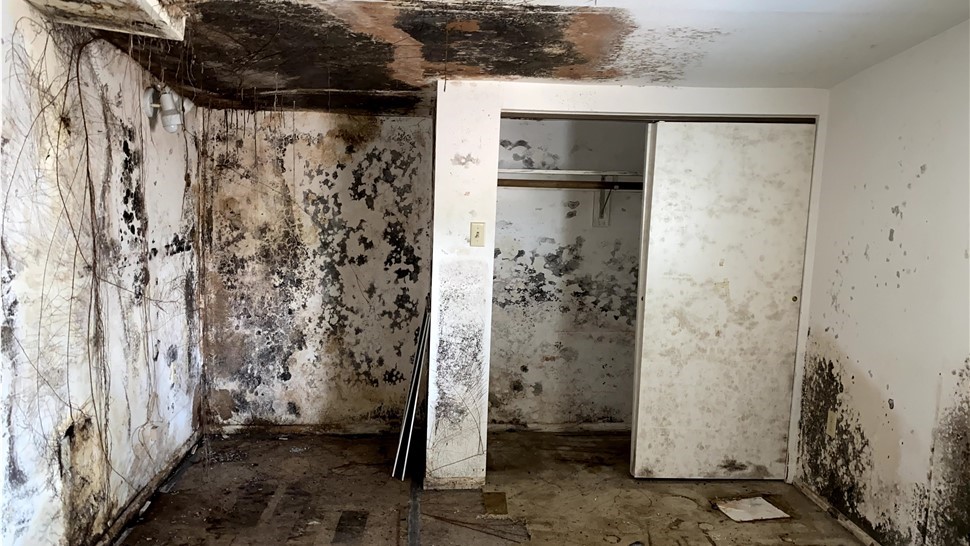
A Property Owner’s Guide to Mold Removal in Miami Shores
Owning property in Miami Shores means dealing with humidity.
Not occasionally. Constantly.
Between coastal air moving in from Biscayne Bay, heavy summer rain, and air conditioning systems that run nearly year-round, moisture is part of daily life. And where there’s consistent moisture, mold can develop quickly.
Mold removal in Miami Shores isn’t unusual. What matters is handling it correctly — identifying the source, removing contamination safely, and preventing it from coming back.
Here’s what every property owner should understand.
Why Mold Is So Common in Miami Shores
Miami Shores sits just inland from the bay, but it still experiences:
- Elevated year-round humidity
- Wind-driven rain during storm season
- High groundwater levels
- Slab foundation moisture migration
- Continuous AC condensation
Even homes that never flood can develop mold because damp air lingers inside walls and attics longer than expected.
Older homes in Miami Shores are especially vulnerable. Many feature aging plumbing, original windows, and limited attic ventilation — all of which create hidden moisture pockets.
Mold removal often starts with correcting these moisture sources.
The Most Common Mold Triggers in Local Homes
Across Miami Shores and nearby North Miami, certain causes show up repeatedly.
AC Condensation Problems
Clogged drain lines and rusted drain pans allow water to accumulate inside air handler closets. Slow, unnoticed leaks are one of the leading causes of mold growth.
Roof Seepage During Heavy Rain
Flat and low-slope roof sections common in South Florida homes can develop small membrane cracks. Wind-driven rain forces water into attic insulation.
Plumbing Leaks Inside Walls
A slow drip behind a bathroom vanity may go unnoticed for weeks. By the time drywall shows staining, mold has often spread behind it.
Flooding or Minor Water Intrusion
Even small amounts of water entering during storms can saturate baseboards and drywall.
In Miami Shores’ humid environment, materials dry slowly without professional intervention.
Early Signs You Shouldn’t Ignore
Mold doesn’t always announce itself dramatically.
Watch for:
- Persistent musty odor
- Bubbling or peeling paint
- Warped baseboards
- Dark staining on ceilings
- Damp air handler closets
- Allergy-like irritation indoors
Odor alone is often the first sign.
If something smells off — especially when the AC runs — inspection is worth scheduling.
Why Professional Mold Inspection Comes First
Before removal begins, inspection is critical.
A proper mold inspection includes:
- Visual evaluation
- Moisture detection
- Humidity measurement
- HVAC system assessment
- Strategic testing when necessary
Testing isn’t automatic in every case. It’s used to confirm hidden contamination or establish baseline levels.
Companies like Tip Top Water and Fire Damage Restoration approach mold removal in Miami Shores by identifying moisture first. Without fixing the source, mold returns.
The Mold Removal Process Explained
Professional mold removal follows a structured process.
1. Containment
Affected areas are sealed off to prevent spores from spreading to clean parts of the home.
2. Air Filtration
HEPA air scrubbers capture airborne spores during removal.
3. Removal of Contaminated Materials
If drywall or insulation is heavily affected, it may need to be removed rather than cleaned.
4. Cleaning Structural Surfaces
Framing and solid materials are cleaned thoroughly using appropriate antimicrobial methods.
5. Structural Drying
Industrial dehumidifiers ensure moisture levels return to safe ranges before rebuilding begins.
Skipping containment or drying leads to recurring contamination.
The Role of HVAC Systems in Mold Spread
In Miami Shores, AC systems run constantly.
If mold develops near an air handler:
- Spores circulate throughout the home
- Odor persists
- Adjacent rooms become affected
Air duct cleaning may be necessary when contamination spreads.
Ignoring HVAC components is one of the most common reasons mold problems reappear after cleanup.
Why DIY Mold Removal Often Fails
Homeowners sometimes try:
- Bleach spraying
- Surface scrubbing
- Painting over stained areas
- Running household fans
These approaches do not address hidden moisture.
In humid coastal climates, mold spreads quickly when disturbed without containment.
Painting over contaminated drywall traps moisture and odor inside.
Professional removal focuses on eliminating both growth and the moisture source.
The Connection Between Mold and Water Damage
In Miami Shores, mold removal frequently overlaps with water damage repair.
After:
- AC leaks
- Storm intrusion
- Plumbing failures
…structural drying must be completed properly.
If moisture remains inside walls or under flooring, mold develops later.
Moisture verification is a critical step before closing walls or repainting.
Slab Foundations and Hidden Moisture
Many Miami Shores homes sit on concrete slabs.
Ground moisture can migrate upward through small cracks after heavy rainfall.
Tile may look dry on the surface while subfloor materials remain damp beneath.
Professional moisture detection tools confirm whether flooring systems are truly dry.
Without this step, mold growth can begin along wall bases.
Preventing Mold in Miami Shores
Long-term prevention requires routine attention.
Property owners should:
- Keep indoor humidity below 55%
- Flush AC drain lines quarterly
- Replace air filters regularly
- Inspect roof membranes before storm season
- Check window and door seals annually
- Address leaks immediately
Because humidity is constant in South Florida, small moisture issues escalate quickly.
Preventive maintenance reduces the need for major remediation.
Why Local Experience Matters
Mold removal in Miami Shores differs from remediation in dry climates.
Professionals familiar with Miami Shores, North Miami, and nearby Biscayne Park understand:
- Coastal humidity patterns
- Slab construction moisture retention
- Salt air corrosion
- Storm-driven intrusion behavior
- AC strain during extended humid periods
That local knowledge improves diagnosis accuracy and prevents repeat mold problems.
A Practical Perspective for Property Owners
Mold removal in Miami Shores isn’t about reacting emotionally to dark spots on drywall.
It’s about identifying moisture, correcting it, and restoring balance.
Most mold problems here begin with:
- AC condensation
- Minor roof leaks
- Plumbing drips
- Slow-drying water intrusion
Handled early and methodically, they can be resolved without major structural impact.
In a coastal climate where humidity rarely drops, mold prevention is ongoing property care.
Address moisture first.
Remove contamination safely.
Dry completely.
That’s how mold removal in Miami Shores should be approached.