Understanding Mold Testing in Sunny Isles Beach in Waterfront Properties
Waterfront properties in Sunny Isles Beach offer breathtaking views and luxurious living, but their proximity to the ocean brings unique challenges. Among these, mold growth is a significant concern due to high humidity, salt-laden air, and the constant presence of moisture. For homeowners, mold testing is an essential step in maintaining a safe, healthy environment and preserving property value.
Understanding mold testing in waterfront homes requires insight into the science of mold, the impact of coastal weather, and the specific methods professionals use to detect and address contamination. Proper testing not only identifies existing problems but also helps prevent hidden mold from causing structural damage or health issues over time.
Why Mold Testing Is Crucial for Waterfront Homes
1. Elevated Humidity
Waterfront properties are exposed to consistently high humidity, often above 70%. Moist air settles on walls, ceilings, floors, and HVAC systems, creating ideal conditions for mold spores to germinate.
2. Water Intrusion
Storms, hurricanes, high tides, and heavy rains increase the risk of leaks in roofs, windows, and foundations. Even minor water intrusion can lead to significant mold growth if undetected.
3. Salt Exposure
Salt-laden air can accelerate material deterioration and complicate mold growth. Metal HVAC ducts, plumbing, and structural elements may corrode, creating crevices where mold can thrive.
4. Health Implications
Mold exposure can trigger respiratory problems, allergies, asthma attacks, and other health issues. Waterfront homes often have large, open floor plans and HVAC systems that can distribute mold spores throughout living spaces.
5. Property Value Preservation
Mold can deteriorate drywall, insulation, flooring, and wooden structural elements. Early detection through professional testing protects the home’s value and prevents costly repairs.
Signs That Waterfront Homes Require Mold Testing
Homeowners should be alert for signs of potential mold problems, especially in coastal properties:
- Persistent musty or damp odors
- Stains or discoloration on walls, ceilings, or floors
- Peeling paint or bubbling wallpaper
- Condensation on windows or near HVAC vents
- Increased allergy symptoms among residents
- Water damage from leaks or flooding
While visible signs are helpful, many molds grow hidden behind walls, under flooring, or inside HVAC systems, emphasizing the need for professional testing.
Challenges in Mold Testing for Waterfront Homes
1. Hidden Mold
Mold often grows in concealed spaces such as attics, wall cavities, and crawlspaces. Professional equipment is required to detect it.
2. Rapid Growth in Humid Conditions
Coastal homes experience faster mold proliferation due to high humidity and frequent water intrusion events.
3. Older Construction Materials
Many waterfront homes feature porous materials like wood subfloors and older insulation, which retain moisture and harbor mold spores.
4. Salt Air Interference
Salt in the air can affect both the surfaces being tested and the performance of certain detection equipment, requiring adjustments in methodology.
5. Access and Safety
Waterfront homes may have elevated foundations, complex HVAC systems, and multi-story layouts, which complicate inspection and sampling.
The Mold Testing Process for Waterfront Properties
Professional mold testing involves several key steps:
1. Initial Assessment
Inspectors conduct a thorough visual survey, noting:
- Water damage from roof leaks, plumbing issues, or storms
- Moisture-prone areas, such as bathrooms, kitchens, and HVAC ducts
- Signs of discoloration, warping, or odor
2. Moisture Detection
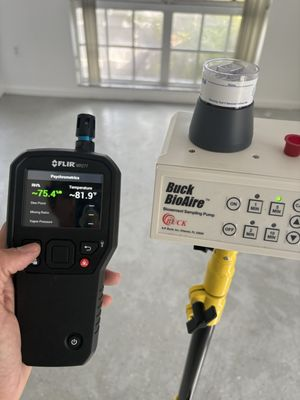
Using tools like moisture meters and thermal imaging cameras, inspectors identify damp areas that may harbor hidden mold. This step is critical in waterfront homes, where humidity and water intrusion can obscure the extent of damage.
3. Sampling Methods
- Air Sampling: Captures airborne mold spores to detect hidden contamination
- Surface Sampling: Swabs, tape lifts, or bulk samples are taken from walls, flooring, or insulation
- HVAC Testing: Ducts are inspected and sampled to check for mold spread through ventilation
4. Laboratory Analysis
Samples are analyzed for:
- Mold species
- Spore concentrations
- Toxicity or allergen potential
The lab results inform remediation and preventive measures.
5. Reporting and Recommendations
Inspectors provide a detailed report outlining:
- Locations and severity of mold contamination
- Health risks and affected areas
- Recommended remediation strategies and moisture control solutions
Preventive Measures After Mold Testing
Once testing identifies mold risks, homeowners should implement preventive strategies:
- Humidity Control: Use dehumidifiers and ventilation systems to maintain indoor humidity below 55%.
- Roof and Window Maintenance: Regular inspection and repair prevent water intrusion.
- HVAC Maintenance: Clean ducts, replace filters, and ensure proper ventilation to reduce spore circulation.
- Prompt Leak Repairs: Immediate attention to plumbing or roof leaks prevents mold proliferation.
- Use of Mold-Resistant Materials: In renovations, install mold-resistant drywall, insulation, and flooring.
- Periodic Re-Testing: Waterfront homes benefit from annual or biannual mold inspections to detect early contamination.
Health and Structural Implications of Ignoring Mold Testing
- Respiratory Problems: Prolonged exposure increases risk of asthma, allergies, and other respiratory conditions.
- Property Damage: Mold deteriorates wood, drywall, flooring, and insulation over time.
- Odor Issues: Persistent musty odors are difficult to remove without professional intervention.
- Costly Repairs: Delayed detection often results in extensive remediation and structural repair costs.
Lessons from Real Waterfront Homes
Local case studies in Sunny Isles Beach reveal common insights:
- Hidden Mold Is Common: Even well-maintained homes experienced mold in attics, wall cavities, and HVAC systems.
- Rapid Response Matters: Homes inspected immediately after water intrusion events had less structural damage and lower restoration costs.
- Professional Testing Prevents Misdiagnosis: DIY methods often miss hidden moisture and mold, leading to recurring problems.
- Preventive Measures Reduce Risk: Humidity control, regular inspections, and prompt repairs drastically reduce mold growth in waterfront homes.
Conclusion
Mold testing in Sunny Isles Beach waterfront properties is a vital aspect of responsible homeownership. Coastal conditions—high humidity, frequent water intrusion, and salt exposure—create ideal environments for mold growth, making professional testing essential.
By understanding the process of mold testing, recognizing early warning signs, and implementing preventive measures, homeowners can protect the health of residents, maintain structural integrity, and preserve property value. Timely inspection and proactive management are the keys to minimizing the risks of mold in waterfront homes and ensuring a safe, comfortable, and resilient living environment.