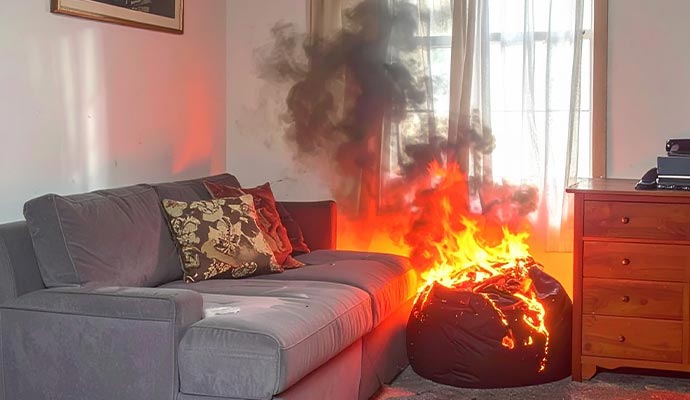
Property Maintenance Insights: Fire Damage Restoration in Aventura
Fire damage is one of the most disruptive events a property owner can face. In Aventura and nearby North Miami communities, even a small kitchen fire or electrical incident can leave behind smoke contamination, hidden moisture, structural damage, and lingering odors that make a home or rental property unsafe and uncomfortable.
Many property owners are surprised to learn that the fire itself is often only part of the damage. Smoke, soot, and water used to extinguish flames can create long-term maintenance issues if not handled correctly.
Understanding how fire damage restoration works helps homeowners and property managers make smarter decisions and protect their investments after an emergency.
What Fire Damage Restoration Really Involves
Fire damage restoration is more than cleaning visible burn marks. A proper restoration process addresses multiple types of damage at once, including:
• Structural damage from flames
• Smoke and soot contamination throughout the property
• Water damage from firefighting efforts
• Persistent smoke odors trapped in materials
• HVAC contamination spreading soot through air ducts
• Hidden moisture that can later lead to mold growth
Even when fire damage appears limited to one room, smoke can travel through vents and small openings, affecting the entire property.
Why Fire Incidents Occur Frequently in Aventura Homes
Aventura’s mix of high-rise condos, waterfront properties, and older residential homes creates unique maintenance challenges. Several common local factors contribute to fire risks:
• Aging electrical wiring in older buildings
• Kitchen cooking accidents in condos and apartments
• AC and electrical component failures due to humidity
• Dryer and appliance malfunctions
• Storm-related electrical surges
• Improper ventilation in enclosed spaces
High humidity and salt air exposure common in coastal neighborhoods can also accelerate corrosion in electrical systems, increasing fire risk over time.
Common Signs Property Owners Notice After a Fire
After firefighters leave, many property owners assume damage is limited to burned areas. However, lingering problems often appear days or weeks later.
Common signs include:
• Strong smoke odors throughout the home
• Black soot residue on walls and ceilings
• Sticky or greasy soot deposits on surfaces
• Discoloration on paint and cabinets
• Warped flooring or swollen wood from water exposure
• HVAC systems spreading smoke smell
These issues worsen if restoration work is delayed.
Hidden Fire Damage Most People Miss
Fire and smoke damage often spreads beyond obvious areas. Hidden problems frequently include:
• Smoke particles trapped inside insulation
• Soot contamination behind walls
• Moisture inside flooring and wall cavities
• Damage within duct systems
• Electrical wiring affected by heat
• Structural weakening in attic spaces
If these areas are not cleaned and dried correctly, long-term repair costs increase significantly.
Why DIY Fire Cleanup Often Makes Things Worse
Many homeowners attempt cleanup themselves using household cleaners, but this often leads to permanent damage.
Soot particles are acidic and can stain surfaces permanently if wiped incorrectly. Improper cleaning may:
• Smear soot deeper into materials
• Spread contamination to clean areas
• Damage paint and finishes
• Trap odors instead of removing them
• Leave moisture that later causes mold growth
Professional restoration teams use specialized cleaning techniques designed for fire damage situations.
Professional Inspection and Damage Assessment
A proper fire restoration process starts with a detailed inspection of the property. Restoration specialists evaluate:
• Structural stability and safety
• Extent of smoke and soot spread
• Moisture levels from firefighting efforts
• HVAC contamination
• Hidden damage areas
Advanced moisture detection tools help locate trapped water inside walls and flooring, preventing mold issues later.
This step ensures that repairs address all affected areas, not just visible damage.
Proper Fire Damage Cleanup and Restoration Process
Restoration typically follows a structured process to return a property to safe living conditions.
Key stages include:
- Securing the property and removing hazards
- Water removal and structural drying
- Smoke and soot removal from all surfaces
- Odor elimination treatments
- Cleaning salvageable contents
- Repair and reconstruction work
- Final air quality and cleanliness verification
Local companies familiar with coastal property conditions, like Tip Top Water and Fire Damage Restoration, understand how humidity and moisture complicate restoration efforts in this region.
Water Damage After Fire: A Common Overlooked Issue
One of the biggest challenges after a fire is water damage. Fire suppression efforts often leave behind soaked materials, including:
• Wet drywall and insulation
• Water-damaged flooring
• Moisture trapped in subfloors
• Damp cabinets and furniture
If drying is delayed, mold growth can begin quickly in Florida’s warm climate. Professional drying equipment and moisture monitoring help prevent secondary damage.
Air Ducts and AC Systems After Fire Damage
Smoke and soot frequently travel through HVAC systems during and after fires. When air conditioning systems restart, contaminants spread throughout the property.
Common HVAC-related issues include:
• Soot buildup inside ductwork
• Persistent smoke odors through vents
• AC components coated in soot residue
• Reduced indoor air quality
Cleaning air ducts and checking AC systems is often necessary to fully eliminate smoke contamination.
Preventing Future Fire Risks in Aventura Properties
While accidents can happen, certain maintenance steps help reduce fire risks:
• Regular electrical inspections
• Safe kitchen practices and appliance maintenance
• Proper dryer vent cleaning
• HVAC maintenance to prevent overheating
• Removing clutter near electrical equipment
• Updating older wiring systems
Preventive maintenance protects both property value and occupant safety.
Why Local Restoration Experience Matters
Fire restoration in coastal South Florida is different from restoration in drier climates. High humidity, salt air, and storm exposure add complexity to cleanup and repair.
Local restoration professionals understand:
• Moisture control challenges unique to coastal homes
• Condo building restoration procedures
• Local building materials and construction methods
• Insurance claim expectations in the region
Companies serving Aventura, North Miami Beach, Sunny Isles Beach, Miami Shores, Surfside, and surrounding communities bring practical experience handling fire and water damage under local conditions.
Tip Top Water and Fire Damage Restoration has assisted many property owners in returning homes and condos to safe living conditions after unexpected fire events, using processes adapted to South Florida environments.
Taking Calm, Smart Action After Fire Damage
Experiencing a fire is stressful, but property recovery becomes easier when action is taken quickly and thoughtfully. Proper inspection, cleanup, and restoration help prevent long-term damage, odor issues, and costly future repairs.
Property owners in Aventura and surrounding areas benefit from working with experienced restoration professionals who understand both fire damage and the moisture challenges common to this region.
Addressing fire damage thoroughly not only restores comfort but also protects the long-term condition and value of your property.