
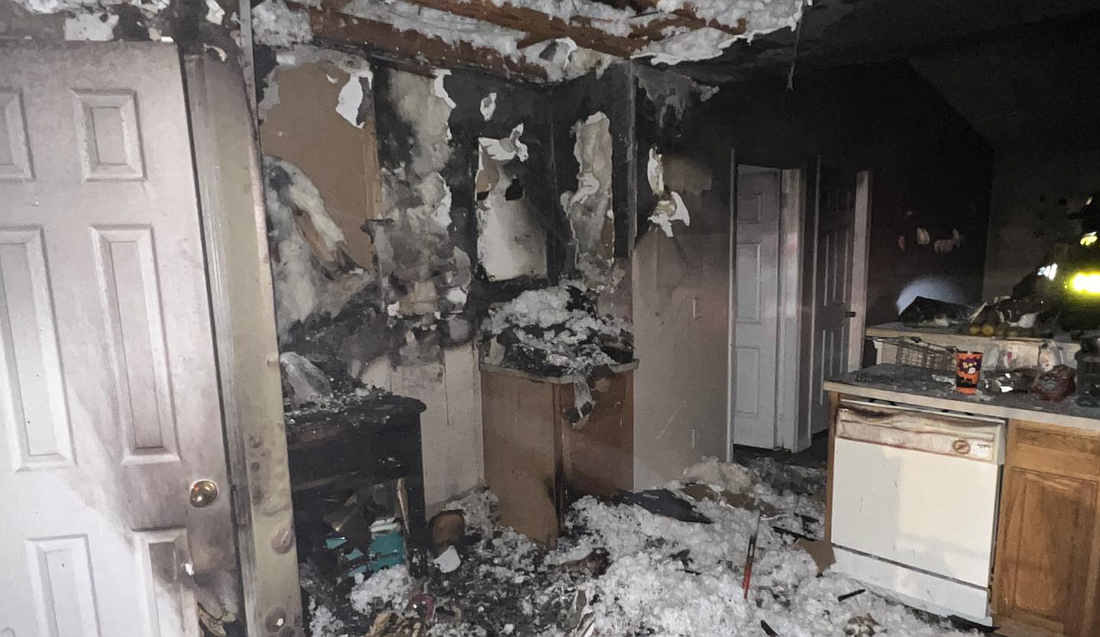
Explaining the Process of Fire Damage Restoration in North Miami Beach
A fire in North Miami Beach rarely affects just one room.
Even when flames are contained quickly, smoke, soot, and water from suppression efforts travel farther than most property owners expect. In high-rise condos, waterfront homes, and multi-unit buildings common throughout North Miami Beach and Sunny Isles Beach, fire damage restoration must address more than visible burn marks.
In a coastal climate where humidity is constant and AC systems operate year-round, restoring a property properly requires a structured, methodical process.
Here’s how fire damage restoration typically unfolds in North Miami Beach.
Step 1: Comprehensive Damage Assessment
Before cleaning begins, the full extent of damage must be evaluated.
This includes inspecting:
- Burned structural components
- Soot and smoke spread
- HVAC system contamination
- Water intrusion from sprinklers or hoses
- Adjacent rooms and shared walls
In condo buildings near Bal Harbour and Aventura, smoke often travels through shared ventilation systems and ceiling cavities.
Even if flames were limited to a kitchen or bedroom, contamination may extend throughout the unit.
Accurate assessment determines the scope of restoration.
Step 2: Securing and Stabilizing the Property
After a fire, stabilization is critical.
This may involve:
- Boarding damaged windows
- Covering roof penetrations
- Isolating affected areas
- Shutting down contaminated HVAC systems
In coastal neighborhoods, humidity can worsen soot adhesion if the environment isn’t controlled quickly.
Air filtration systems are often installed early to reduce airborne particles.
Step 3: Addressing Water Damage from Suppression
In many North Miami Beach properties, water causes more structural impact than flames.
Sprinkler systems and fire department response introduce significant moisture into:
- Flooring
- Insulation
- Wall cavities
- Ceiling assemblies
Because coastal humidity slows evaporation, professional structural drying is essential.
Drying typically includes:
- Industrial dehumidifiers
- High-velocity air movers
- Moisture monitoring tools
Without moisture verification, repairs may trap dampness behind walls, leading to mold remediation later.
Companies like Tip Top Water and Fire Damage Restoration frequently handle both fire and water damage simultaneously to prevent secondary issues.
Step 4: Soot and Smoke Residue Removal
Soot is acidic and corrosive.
If not removed correctly, it can:
- Permanently stain surfaces
- Corrode metal fixtures
- Damage electronics
- Embed odor into drywall and cabinetry
Different fire sources produce different soot types.
- Kitchen grease fires create sticky residue.
- Electrical fires produce fine, powdery soot.
Improper cleaning can smear residue deeper into materials.
Professional smoke damage cleanup uses specialized dry cleaning techniques and appropriate cleaning agents to lift soot without spreading it.
Step 5: HVAC Inspection and Air Duct Cleaning
In North Miami Beach, air conditioning systems rarely stop running.
If the system operated during or after the fire, smoke likely entered the ductwork.
Contaminated HVAC systems can:
- Recirculate soot
- Spread odor
- Lower indoor air quality
Air duct cleaning and HVAC inspection are often necessary parts of fire restoration in high-rise condos and waterfront homes.
In shared-building environments, coordination with property management may be required.
Ignoring ductwork often results in lingering odor even after surfaces are cleaned.
Step 6: Odor Neutralization
Smoke odor embeds deeply in porous materials.
Repainting alone does not eliminate odor.
Professional odor neutralization methods may include:
- Hydroxyl treatment
- Thermal fogging
- HEPA air scrubbing
In humid coastal environments, odor can reactivate on damp days.
Thorough neutralization ensures long-term indoor comfort.
Step 7: Removal of Compromised Materials
Some materials cannot be restored.
Depending on severity, removal may be necessary for:
- Heavily burned drywall
- Insulation saturated with smoke
- Water-damaged flooring
- Cabinetry exposed to high heat
Salt air exposure in coastal neighborhoods accelerates corrosion of metal components following fire events.
Early removal of compromised materials prevents structural deterioration.
Step 8: Repair and Reconstruction
Once cleaning, drying, and odor neutralization are complete, reconstruction begins.
This may include:
- Drywall replacement
- Cabinet rebuilding
- Flooring installation
- Repainting
- Electrical repairs
Repairs should only begin after moisture levels are confirmed safe.
In slab-based properties common throughout North Miami Beach, subfloor moisture must be checked carefully.
Rushing reconstruction leads to recurring issues.
Unique Coastal Considerations
Fire damage restoration in North Miami Beach differs from inland cities due to:
- High humidity slowing drying
- Salt air accelerating corrosion
- High-rise ventilation systems
- Open architectural layouts
- Frequent storm exposure
These factors influence both contamination spread and drying timelines.
Local experience improves restoration accuracy and prevents incomplete cleanup.
The Mold Risk After Fire
In this climate, mold growth is a common secondary concern.
If water from suppression efforts remains trapped in walls or ceilings for more than 24–48 hours, microbial growth may begin.
Mold inspection is often recommended following significant fire events.
Fire damage restoration and mold remediation frequently overlap in coastal South Florida.
Why DIY Cleanup Is Risky
Attempting to clean soot with household products often:
- Smears residue
- Pushes contamination deeper into materials
- Fails to address HVAC spread
- Leaves odor trapped inside walls
Fire restoration requires containment, controlled cleaning, and moisture verification.
Surface wiping is not sufficient.
A Practical Perspective for Property Owners
Fire damage restoration in North Miami Beach is about more than removing visible burns.
It requires:
- Moisture control
- Soot removal
- HVAC cleaning
- Odor neutralization
- Structural repair
Handled methodically, most properties can be fully restored.
In a coastal environment where humidity and salt air amplify damage, thorough restoration protects both structural integrity and indoor air quality.
The key is addressing every affected system — not just the room where flames appeared.