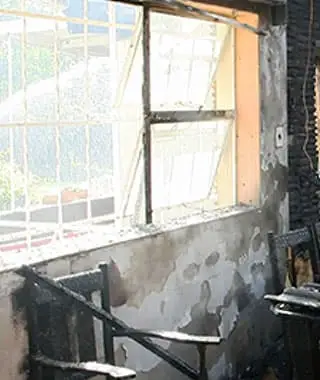
When Homes Require Fire Damage Restoration in North Miami Beach
Fire damage is one of the most devastating events a homeowner in North Miami Beach can experience. It not only destroys property but also leaves behind lingering hazards such as smoke, soot, structural instability, and compromised indoor air quality. Understanding when a home requires professional fire damage restoration is critical for protecting residents, preserving property value, and preventing long-term issues that may arise after a fire incident.
Unlike minor household incidents, fire damage is rarely contained to a single area. Heat, flames, and smoke can affect walls, ceilings, flooring, electrical systems, HVAC units, and personal belongings. Timely recognition of the need for restoration, combined with professional intervention, ensures that both visible and hidden damages are addressed effectively.
Understanding the Need for Fire Damage Restoration
Fire damage restoration is not just about cleaning up soot or repairing burned structures. It encompasses a comprehensive process designed to:
- Remove Smoke and Soot Residue: These residues are corrosive and can permanently damage surfaces if not treated promptly.
- Address Structural Damage: Heat weakens structural supports, and charred wood or metal requires inspection and repair.
- Improve Indoor Air Quality: Smoke particles and airborne chemicals can remain in a home long after the flames are extinguished, posing serious health risks.
- Prevent Mold Growth: Water used to extinguish fires can lead to moisture accumulation, increasing the risk of mold if not properly dried.
- Restore Utilities and Systems: Electrical wiring, plumbing, and HVAC systems may need inspection and repair after exposure to heat and smoke.
Signs That Fire Damage Restoration Is Necessary
Homeowners often struggle to recognize when professional restoration is required. Key indicators include:
- Visible Structural Damage: Burned beams, sagging ceilings, and charred walls indicate a compromised structure.
- Persistent Smoke Odor: Lingering smoke odor suggests soot and chemical residues in hidden areas such as walls, ducts, or insulation.
- Water Damage from Firefighting: Sprinklers, hoses, or firefighting efforts may leave standing water or soaked materials, leading to mold growth.
- Electrical or HVAC System Malfunction: Exposed wires, short circuits, or non-functioning HVAC systems signal hidden fire-related damage.
- Discoloration or Corrosion: Soot deposits, staining, or chemical corrosion on metal, wood, or appliances indicate fire-related residues.
Even homes that appear undamaged on the surface may require restoration due to hidden heat or smoke impact.
Common Challenges in Fire Damage Restoration in North Miami Beach Homes
1. Coastal Humidity
North Miami Beach’s coastal climate increases the complexity of restoration. High humidity exacerbates corrosion of metal fixtures, accelerates rust on appliances, and slows drying of water-damaged areas.
2. Salt Air Exposure
Salt-laden air can interact with smoke residues, making surfaces more corrosive and staining more persistent.
3. Water Damage
Firefighting efforts can saturate flooring, walls, and subfloors, creating a secondary issue of water damage. If not addressed quickly, this can lead to mold growth and further structural deterioration.
4. HVAC Contamination
Smoke particles and soot can infiltrate ducts, spreading odors and harmful particulates throughout the home if HVAC systems are not cleaned thoroughly.
5. Structural Complications
Heat weakens wood, metal, and concrete. Homes in North Miami Beach often have multi-story layouts or unique architectural features that require careful inspection for compromised support structures.
6. Health Risks
Exposure to residual smoke, soot, and chemical byproducts poses risks of respiratory problems, eye irritation, and other health issues, especially for children, the elderly, and those with preexisting conditions.
The Fire Damage Restoration Process
Restoration professionals follow a structured process to ensure homes are safe and fully restored:
1. Damage Assessment
- Conduct a detailed inspection to determine the extent of fire, smoke, and water damage.
- Identify structural vulnerabilities, electrical hazards, and health risks.
- Provide homeowners with a comprehensive report outlining necessary restoration steps.
2. Securing the Property
- Board up windows and doors if necessary to prevent unauthorized entry.
- Remove debris and unstable structures to ensure safety during restoration.
- Implement temporary tarps or protective coverings for roofs or exposed areas.
3. Smoke and Soot Removal
- Use specialized vacuuming and cleaning agents to remove soot from walls, ceilings, and surfaces.
- Clean HVAC systems to prevent further contamination.
- Employ odor-neutralizing techniques such as thermal fogging or ozone treatment.
4. Water Extraction and Drying
- Remove water used during firefighting efforts.
- Deploy industrial air movers, dehumidifiers, and moisture monitoring systems to prevent mold.
- Inspect subflooring, insulation, and structural elements for water-related damage.
5. Structural Repairs
- Replace or reinforce damaged beams, joists, and walls.
- Repair or replace charred flooring, drywall, and roofing components.
- Ensure electrical, plumbing, and HVAC systems are safe and operational.
6. Restoration of Interiors
- Repaint walls, refinish flooring, and restore cabinetry.
- Clean or replace personal belongings affected by smoke or water.
- Restore indoor air quality with air purifiers and ventilation enhancements.
Preventive Measures for Homeowners
While some fires are unpredictable, homeowners can take steps to minimize the impact and prevent long-term issues:
- Install Smoke Detectors and Fire Alarms: Ensure detectors are operational on every floor and near bedrooms.
- Routine Electrical Maintenance: Inspect wiring and outlets for signs of wear or overload.
- Safe Cooking Practices: Avoid leaving cooking appliances unattended and maintain grease-free cooking areas.
- Fire-Resistant Materials: Consider fire-resistant insulation, roofing, and siding for new construction or renovations.
- Emergency Plan: Have a clear evacuation and response plan for fire events.
- Insurance Coverage: Ensure homeowner insurance covers fire damage and associated restoration costs.
Lessons from Real North Miami Beach Homes
- Homes with early detection of fire incidents and immediate restoration experienced fewer secondary issues such as mold and structural compromise.
- Properties that delayed restoration faced escalating repair costs due to water damage from firefighting efforts.
- HVAC contamination was a common hidden problem, highlighting the importance of thorough duct cleaning.
- Professional restoration provided comprehensive solutions, ensuring both visible and hidden damages were addressed.
Conclusion
Fire damage restoration is essential for maintaining the safety, structural integrity, and livability of homes in North Miami Beach. The combination of heat, smoke, soot, and water from firefighting efforts creates complex challenges that require professional expertise.
Homeowners should recognize the signs that restoration is needed, including visible fire damage, persistent odors, water intrusion, and compromised HVAC systems. By engaging professional services, addressing both visible and hidden damage, and implementing preventive measures, property owners can protect their investments, ensure safe living environments, and minimize the long-term impact of fire-related incidents.
Timely fire damage restoration is not only a reactive solution but also a proactive investment in the health, safety, and resilience of coastal North Miami Beach homes.