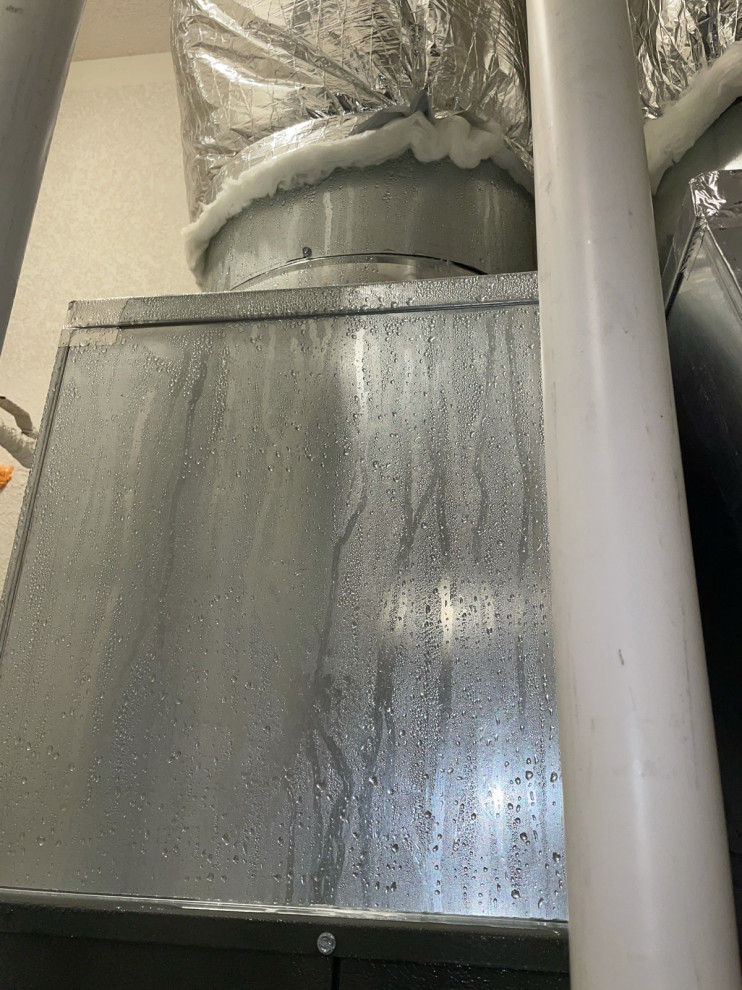
AC Moisture Repair in Bayfront Homes in North Miami: How Professionals Approach the Issue
In bayfront neighborhoods of North Miami, air conditioning systems work almost year-round. With the heat, humidity, and constant exposure to coastal air, AC units carry a heavy workload. Over time, this combination often leads to moisture problems that affect not only the cooling system but also walls, ceilings, ductwork, and indoor air quality.
Many homeowners first notice small warning signs—condensation near vents, a faint musty smell, or minor staining around the air handler. These issues may seem minor at first, but in coastal environments, AC moisture problems can develop quickly if left unaddressed.
What AC Moisture Problems Really Are
Air conditioning systems naturally remove humidity from the air as they cool a home. However, when any part of the system isn’t functioning properly, moisture can accumulate instead of draining away.
AC moisture issues often involve:
- Condensation forming on ducts
- Clogged or slow drain lines
- Water collecting inside air handlers
- Moisture buildup in insulation or ceilings
- Mold growth near vents or inside ductwork
In bayfront homes, these problems are often intensified by high outdoor humidity and salt-laden air.
Why This Happens So Often in North Miami Bayfront Homes
Coastal weather plays a major role in AC moisture issues. Homes near Biscayne Bay experience conditions that are very different from inland areas.
Constant humidity means AC systems run longer cycles, producing more condensation than systems in drier climates.
Warm nighttime temperatures prevent structures from drying naturally, allowing moisture to linger.
Salt air exposure can gradually affect metal components, sometimes reducing efficiency or affecting drainage performance.
Frequent rainstorms increase indoor humidity and force cooling systems to work harder, creating additional condensation.
These conditions are common not only in North Miami but also in nearby areas such as Aventura, Bal Harbour, and Sunny Isles Beach.
Common Signs Homeowners Notice
AC moisture problems usually start quietly. Many homeowners notice symptoms long before they see visible water damage.
Typical warning signs include:
- Water stains near ceiling vents
- A musty odor when the AC runs
- Dripping sounds inside walls or utility closets
- Warped baseboards near air handler areas
- Uneven cooling or excess humidity indoors
These signs often appear gradually and may be more noticeable during long humid periods in late spring and summer.
Hidden or Overlooked Sources of Moisture
Some of the most significant moisture problems are hidden from view. Professionals often find issues in places homeowners rarely inspect.
Common hidden sources include:
- Partially clogged condensate drain lines
- Poorly insulated ducts in attics
- Air leaks causing condensation on vents
- Aging insulation around refrigerant lines
- Drain pans that have begun to corrode
In older homes in Miami Shores and Biscayne Park, duct systems sometimes lack modern insulation standards, making condensation more likely during humid weather.
Why DIY Fixes Usually Don’t Solve the Problem
It’s common for homeowners to wipe away visible moisture or place a small container under a drip, assuming the issue is minor. While this may temporarily control visible water, it rarely addresses the root cause.
Moisture problems connected to AC systems often involve:
- Drainage issues that require inspection
- Hidden condensation inside ducts
- Airflow problems affecting humidity levels
- Moisture trapped in building materials
Without identifying the underlying cause, moisture tends to return—and sometimes spreads to surrounding areas.
Professional Inspection and Moisture Detection
A professional approach begins with a thorough inspection. Instead of focusing only on visible water, technicians evaluate the entire cooling and ventilation system.
This process often includes:
- Checking drain lines and pans
- Measuring humidity levels
- Inspecting ductwork for condensation
- Examining insulation around air handlers
- Using moisture meters to check walls and ceilings
In coastal homes, inspections often reveal multiple contributing factors rather than a single point of failure.
Tip Top Water and Fire Damage Restoration has worked with many bayfront properties in North Miami where humidity, ventilation, and drainage all played a role in moisture problems.
The AC Moisture Repair Process
Once the cause is identified, repair involves addressing both the symptom and the underlying source of moisture.
Typical steps may include:
- Clearing and flushing condensate drain lines
- Repairing or replacing damaged drain pans
- Sealing or insulating ductwork
- Drying affected materials
- Improving airflow or ventilation where needed
Drying and moisture control are essential steps, especially in coastal climates where damp materials can remain wet longer than expected.
Water Damage Repair and Structural Drying
In some cases, AC moisture problems go unnoticed long enough to cause damage to nearby materials. Ceiling drywall, insulation, and flooring are especially vulnerable.
When this happens, restoration may involve:
- Removing damp drywall or insulation
- Drying framing and subflooring
- Cleaning surfaces to prevent microbial growth
- Restoring affected areas
Addressing damage promptly helps prevent mold growth and further structural issues.
Air Ducts, Ventilation, and Indoor Air Quality
Moisture inside ductwork is more than just a mechanical problem—it can affect indoor air quality as well.
When ducts remain damp, they may:
- Trap dust and debris
- Develop odors
- Circulate humid air throughout the home
Routine duct inspection and cleaning, combined with proper AC maintenance, helps reduce these risks. Homes in Surfside and North Miami Beach often benefit from periodic duct evaluations due to year-round system usage.
Preventing AC Moisture Problems in Coastal Homes
Preventive maintenance is one of the most effective ways to avoid major repairs.
Homeowners can reduce risks by:
- Scheduling regular AC servicing
- Keeping drain lines clean
- Replacing filters regularly
- Monitoring humidity levels indoors
- Checking for condensation near vents and air handlers
Even small maintenance steps can prevent larger issues later.
Why Local Experience Matters
AC moisture problems in North Miami are closely tied to local climate conditions. Professionals who work regularly in coastal neighborhoods understand:
- How humidity behaves near bayfront properties
- Which building materials are most vulnerable
- Common duct and ventilation issues in South Florida homes
- Seasonal patterns that increase condensation risks
This experience allows faster diagnosis and more reliable long-term solutions.
Tip Top Water and Fire Damage Restoration has seen many cases where early inspection prevented minor AC moisture issues from becoming major repairs.
A Calm, Practical Next Step
Moisture around an AC system isn’t something to ignore, but it also doesn’t need to be a source of stress. Most problems begin gradually and can be corrected when identified early.
If you notice condensation, odors, or humidity changes in your home, a careful inspection can clarify the cause and prevent further damage. In coastal areas like North Miami, proactive maintenance and timely repairs go a long way in keeping homes comfortable, dry, and well protected.