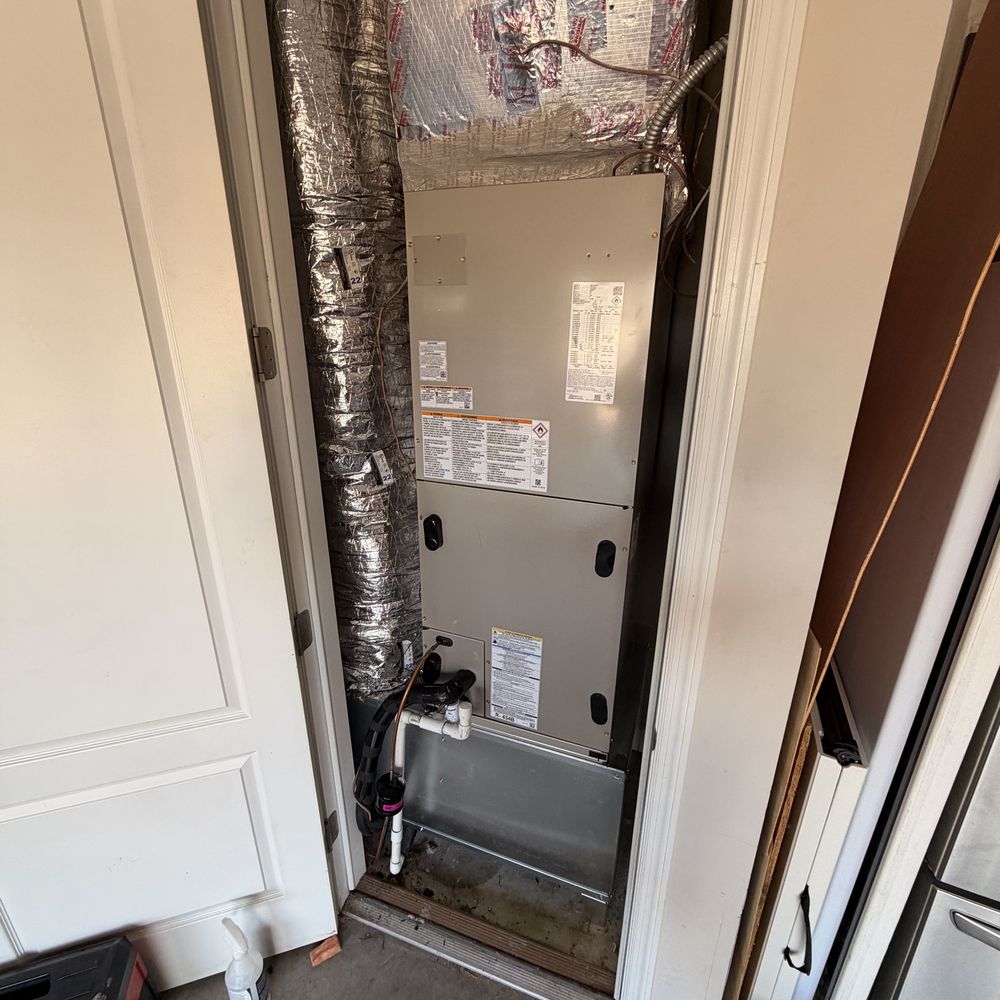
A Property Owner’s Guide to AC Moisture Repair in Sunny Isles Beach
Air conditioning systems run almost year-round in Sunny Isles Beach. With the heat, humidity, and coastal air, AC units don’t just cool homes—they manage moisture. When something goes wrong, that moisture can start affecting ceilings, walls, ducts, and even structural materials. Many property owners first notice a small stain or musty smell and don’t realize how quickly an AC-related moisture problem can spread.
What AC Moisture Problems Actually Are
Air conditioners naturally produce condensation as they cool warm, humid air. Normally, that moisture drains safely away through a condensate line or pump. Problems begin when something interrupts that process.
AC moisture issues often involve:
- Clogged condensate drain lines
- Rusted or cracked drain pans
- Improper insulation on refrigerant lines
- Air leaks causing condensation buildup
- Frozen evaporator coils that later thaw
- High humidity overwhelming the system
When moisture isn’t draining correctly, it collects in ceilings, closets, attics, or wall cavities. Over time, this can lead to mold growth, wood swelling, drywall damage, and indoor air quality concerns.
Why This Happens So Often in Sunny Isles Beach
Coastal conditions make AC moisture problems more common than many property owners expect.
Several local factors play a role:
High humidity year-round
Sunny Isles Beach often experiences humidity levels that push HVAC systems to their limits.
Salt air exposure
Coastal air can accelerate corrosion in metal components, including drain pans and coils.
Heavy seasonal rain
Storm season raises indoor humidity and increases strain on cooling systems.
Tightly sealed newer buildings
Modern condos and homes often trap moisture indoors if ventilation isn’t balanced.
Older properties with aging ductwork
Nearby communities like North Miami Beach, Aventura, and Miami Shores have many homes where insulation and duct systems are decades old.
These conditions create an environment where small AC issues quickly turn into moisture problems.
Common Signs Homeowners Notice
AC moisture problems usually start subtly. Property owners often notice warning signs before major damage occurs.
Typical early indicators include:
- Water stains near ceiling vents
- Musty or damp odors when AC runs
- Dripping or pooling near indoor units
- Peeling paint or bubbling drywall
- Increased indoor humidity
- Mold forming around vents or closets
These symptoms should never be ignored, especially in humid coastal areas where damage progresses quickly.
Hidden or Overlooked Sources
Some moisture problems are not visible until damage has already spread.
Common hidden sources include:
- Condensation inside air ducts
- Insulation saturated in attic spaces
- Slow leaks in AC drain lines behind walls
- Improperly sealed air handlers
- Moisture collecting beneath flooring
In bayfront homes and waterfront properties, high humidity combined with AC condensation can cause problems in areas homeowners rarely inspect.
Why DIY Moisture Repairs Usually Fail
Many property owners attempt to clean a drain line or patch a stained ceiling without identifying the full cause of the moisture.
DIY repairs often fail because:
- The root cause is not located
- Moisture remains trapped in materials
- Mold begins forming behind surfaces
- Drywall or insulation continues deteriorating
AC moisture issues are rarely isolated. Without proper moisture detection, small repairs often lead to recurring problems.
Professional Moisture Inspection & Testing Explained
A thorough inspection focuses on locating both visible and hidden moisture sources.
A proper assessment may include:
- Thermal imaging to detect moisture behind walls
- Humidity and air quality measurements
- Drain line and condensate system inspection
- Ductwork evaluation
- Attic and insulation checks
Professionals experienced in coastal environments understand how humidity, ventilation, and HVAC performance interact. Companies like Tip Top Water and Fire Damage Restoration often approach AC moisture problems as part of a larger indoor moisture system rather than a single repair.
Proper AC Moisture Repair and Remediation Process
Once the source of moisture is identified, the repair process typically follows several steps:
- Stopping the moisture source
Drain lines, pans, insulation, or air leaks are repaired or replaced. - Drying affected areas
Professional drying equipment removes trapped moisture from structural materials. - Removing damaged materials if necessary
Saturated drywall or insulation may need replacement. - Cleaning and treating surfaces
Areas exposed to moisture are cleaned to prevent mold growth. - Restoring ventilation and airflow
Ensuring proper air circulation reduces future condensation.
This structured process helps ensure the issue does not return.
Water Damage Repair When Moisture Spreads
AC moisture problems sometimes extend into larger water damage issues.
Common secondary problems include:
- Warped baseboards and flooring
- Ceiling collapse risks
- Mold growth in wall cavities
- Carpet and padding saturation
When this happens, restoration steps may include structural drying, material removal, and repairs similar to flood restoration work, even though the original cause was condensation.
Air Ducts, AC Systems, and Mold Risk
Air ducts are one of the most vulnerable areas during prolonged moisture exposure.
Condensation inside ductwork can:
- Promote mold growth
- Spread odors through the home
- Reduce airflow efficiency
- Increase indoor humidity
In Sunny Isles Beach and Surfside, duct cleaning and moisture control often go hand-in-hand, especially in buildings near the ocean where humidity stays elevated for long periods.
How to Prevent AC Moisture Problems in Coastal Homes
Prevention is far easier and less costly than repairs.
Property owners can reduce risk by:
- Scheduling annual HVAC inspections
- Flushing condensate lines regularly
- Monitoring indoor humidity levels
- Keeping air filters clean
- Ensuring attic insulation is dry and intact
- Sealing air leaks around vents and handlers
Routine maintenance helps systems operate efficiently and reduces the chance of hidden moisture buildup.
Why Local Experience Matters
Moisture behavior in coastal South Florida differs from inland environments. Buildings in Sunny Isles Beach, Bal Harbour, and Biscayne Park face constant humidity exposure and salt air conditions that affect materials and HVAC systems differently.
Professionals familiar with these local factors understand:
- How coastal air accelerates corrosion
- Why ventilation strategies must adapt to humidity
- Where moisture commonly accumulates in local building styles
- How seasonal storms influence indoor moisture patterns
Local experience allows inspections and repairs to address real conditions, not generic assumptions.
A Calm, Practical Next Step for Property Owners
AC moisture problems are common in coastal communities, but they are manageable when addressed early. If you notice staining, humidity changes, or musty odors near vents or ceilings, having the system inspected sooner rather than later can prevent larger repairs.
Working with experienced restoration professionals, such as Tip Top Water and Fire Damage Restoration, ensures that both the moisture source and any hidden damage are properly handled, helping protect the home, indoor air quality, and long-term structural integrity.
Regular maintenance, early inspections, and prompt repairs remain the most effective ways to keep properties in Sunny Isles Beach and nearby North Miami communities dry, comfortable, and well-protected year-round.