Indoor Air Quality Improvement in Miami Shores: A Practical Home Maintenance Guide
Indoor air quality is something many homeowners in Miami Shores don’t think about until a problem becomes noticeable. Maybe there’s a persistent musty smell, allergy symptoms seem worse indoors, or rooms feel damp even when the air conditioning is running. These are often signs that indoor air quality needs attention.
In coastal South Florida, improving indoor air quality isn’t just about comfort—it’s about protecting your home, preventing moisture problems, and maintaining a healthy living environment year-round.
What Indoor Air Quality Issues Really Are
Indoor air quality refers to the condition of the air inside a home, including humidity levels, airborne particles, mold spores, dust, and contaminants that circulate through HVAC systems.
In many homes, the most common contributors to poor indoor air quality include:
- Excess humidity
- Mold or mildew growth
- Dirty air ducts
- Dust and debris buildup
- Poor ventilation
- Moisture trapped in walls or insulation
Because homes in Miami Shores often remain closed to keep cooled air inside, pollutants and moisture can build up if ventilation or filtration isn’t working properly.
Why This Happens So Often in Miami Shores
Indoor air quality challenges are more common in Miami Shores than many property owners expect, largely due to environmental conditions.
Key local factors include:
High humidity throughout the year
Even on mild days, humidity levels can remain high enough to encourage mold growth and moisture buildup.
Coastal air exposure
Salt and moisture in the air affect building materials, HVAC components, and duct systems.
Frequent AC use
Air conditioning systems run almost constantly, and any small issue in airflow or drainage can affect air quality.
Seasonal storms and heavy rains
Storms can increase indoor humidity, especially if roofs, windows, or insulation allow small amounts of water intrusion.
Older homes and renovations
Many properties in Miami Shores and nearby Biscayne Park or North Miami have undergone renovations over time, and ventilation systems may not always match modern moisture control needs.
These conditions make routine maintenance essential for preserving clean indoor air.
Common Signs Homeowners Notice
Indoor air quality problems often appear gradually. Early warning signs may include:
- A musty or stale smell indoors
- Visible dust buildup around vents
- Allergy symptoms that worsen inside the home
- Condensation on windows or vents
- Rooms that feel humid even with AC running
- Mold spots near vents or ceilings
Recognizing these signs early allows property owners to address underlying causes before more serious issues develop.
Hidden or Overlooked Sources of Poor Air Quality
Some of the biggest contributors to indoor air quality problems are hidden from view.
These may include:
- Moisture inside air ducts
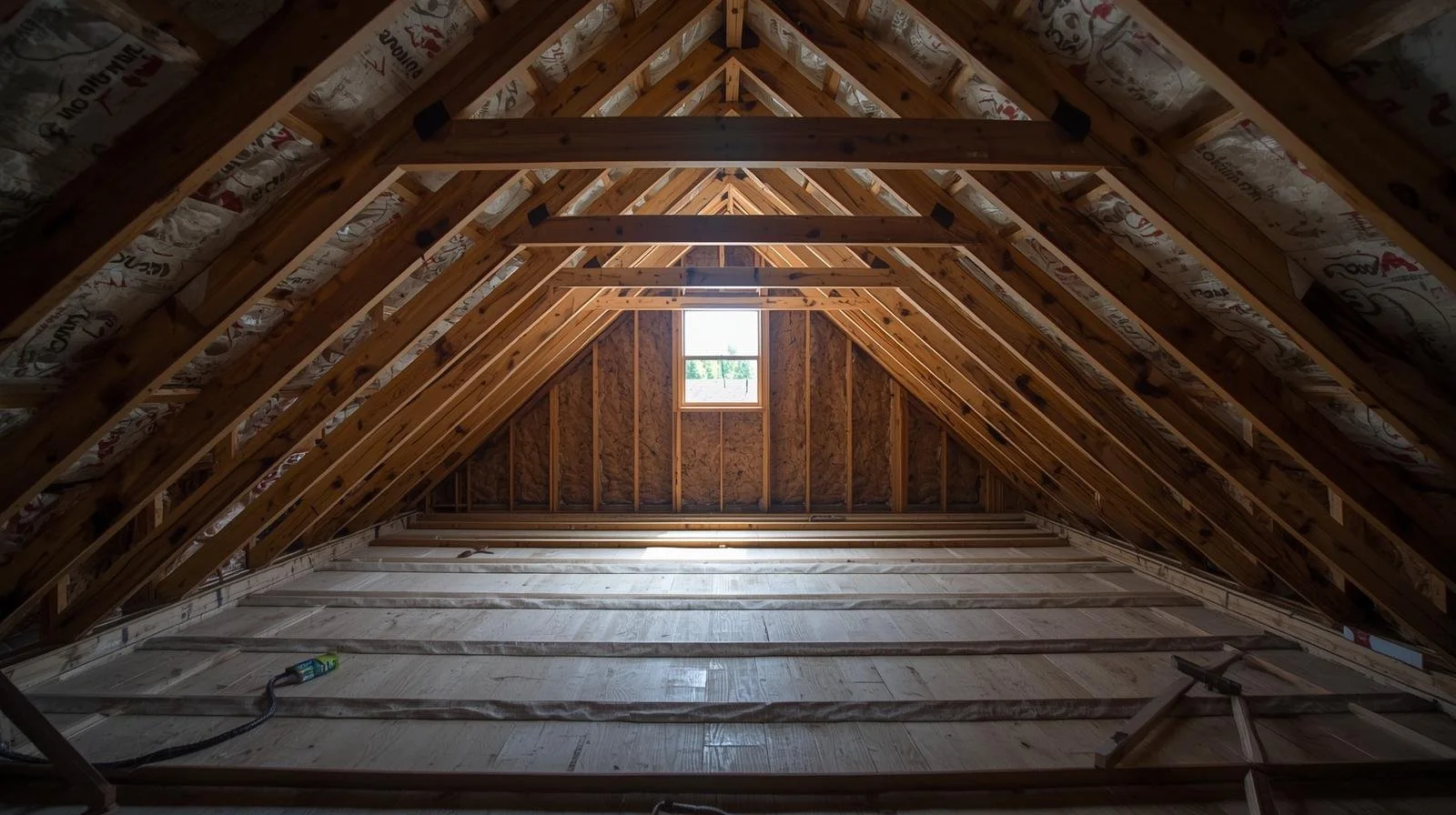
- Mold growth in attic insulation
- Condensation inside wall cavities
- Dirty evaporator coils
- Damp carpeting or padding
- Poorly ventilated crawl spaces
In waterfront neighborhoods and bayfront homes near Miami Shores, humidity can migrate into areas that are rarely inspected, making regular checks important.
Why DIY Air Quality Fixes Often Fall Short
It’s common for homeowners to try quick solutions like air fresheners, portable filters, or cleaning visible mold spots. While these steps may temporarily improve conditions, they often don’t address the root cause.
DIY approaches may fail because:
- Hidden moisture remains untreated
- HVAC systems are not inspected thoroughly
- Humidity levels are not measured accurately
- Mold inside ducts or insulation goes unnoticed
Indoor air quality problems usually involve a combination of ventilation, moisture control, and filtration, which requires a comprehensive approach.
Professional Inspection and Testing Explained
A professional indoor air quality evaluation focuses on identifying sources of contamination or moisture and determining how air moves through the home.
A thorough inspection may include:
- Measuring indoor humidity levels
- Inspecting HVAC systems and ductwork
- Checking for hidden moisture
- Evaluating ventilation performance
- Identifying areas prone to mold growth
Experienced restoration and moisture control professionals understand how coastal conditions affect homes in Miami Shores, North Miami Beach, and Surfside. Companies like Tip Top Water and Fire Damage Restoration often assess indoor air quality as part of a broader moisture management strategy.
Improving Indoor Air Quality the Right Way
Once issues are identified, improving indoor air quality usually involves several steps.
These may include:
- Reducing humidity levels
Ensuring the AC system is functioning properly and addressing any moisture problems. - Cleaning or servicing HVAC components
Dirty coils, clogged filters, and contaminated ductwork can circulate particles throughout the home. - Removing moisture-damaged materials
Damp drywall, insulation, or carpet can continue releasing odors and contaminants if not addressed. - Improving ventilation
Balanced airflow helps remove stale air and maintain consistent humidity levels. - Drying affected areas thoroughly
Professional drying equipment may be used where moisture has accumulated.
Taking these steps helps restore healthier indoor air and prevent recurring problems.
The Connection Between Water Damage and Air Quality
Indoor air quality often declines after water intrusion or moisture problems.
Even minor water damage can lead to:
- Mold growth behind walls
- Odors trapped in flooring or insulation
- Increased airborne particles
- Higher humidity levels
In coastal communities like Bal Harbour, Aventura, and Miami Shores, these conditions can develop quickly if moisture isn’t removed completely.
Proper drying and restoration are essential to maintaining clean indoor air after any water-related incident.
Air Ducts, AC Systems, and Indoor Air Circulation
Air ducts play a major role in indoor air quality because they distribute air throughout the home.
Problems that affect duct systems include:
- Dust and debris accumulation
- Condensation on duct surfaces
- Mold growth in humid conditions
- Air leaks reducing system efficiency
Routine duct inspection and cleaning, when necessary, help keep airflow consistent and reduce contaminants circulating indoors.
Practical Ways to Maintain Good Indoor Air Quality
Homeowners in Miami Shores can take several practical steps to maintain healthier indoor air.
Helpful habits include:
- Replacing HVAC filters regularly
- Scheduling annual AC maintenance
- Monitoring indoor humidity levels
- Keeping vents clean and unobstructed
- Inspecting attics and closets for moisture
- Addressing leaks or condensation quickly
These simple steps reduce the likelihood of long-term air quality problems.
Why Local Experience Matters
Improving indoor air quality in South Florida requires an understanding of coastal climate conditions, building materials, and ventilation challenges unique to the region.
Professionals familiar with Miami Shores and nearby communities understand:
- How humidity behaves seasonally
- Where moisture commonly accumulates in local homes
- How duct systems perform in coastal environments
- Which building materials are most vulnerable to moisture
This knowledge helps ensure that air quality improvements are effective and long-lasting.
A Calm, Practical Next Step for Property Owners
Indoor air quality problems often develop slowly, but they can be resolved effectively when addressed early. If you notice persistent odors, humidity issues, or signs of mold, scheduling an inspection can help identify the source before damage spreads.
Working with experienced professionals, such as Tip Top Water and Fire Damage Restoration, helps ensure that both moisture sources and ventilation issues are properly addressed. With the right maintenance and preventive steps, homeowners in Miami Shores and nearby coastal communities can maintain cleaner, healthier indoor air year-round.