Property Maintenance Insights: Flood Restoration in Biscayne Park
Flooding is one of the most disruptive problems a property owner can face. In Biscayne Park, where heavy rains, high humidity, and aging infrastructure can all contribute to water intrusion, flood restoration is not just an emergency response—it’s an important part of long-term property maintenance.
What Flood Restoration Really Involves
Flood restoration is the process of removing water, drying affected materials, cleaning contaminated areas, and restoring damaged portions of a home or building. It goes far beyond simply mopping up visible water.
Flood restoration often includes:
- Water extraction
- Structural drying
- Moisture detection
- Cleaning and sanitation
- Repair of damaged materials
- Prevention of mold growth
Because water spreads quickly and penetrates porous materials, thorough drying is one of the most important steps in the process.
Why Flooding Occurs in Biscayne Park
Several local conditions make flooding more common in Biscayne Park and nearby areas like Miami Shores, North Miami, and Aventura.
Heavy seasonal rainfall
South Florida storms can drop large amounts of rain in a short period, overwhelming drainage systems.
Low-lying areas and poor drainage
Some neighborhoods are more vulnerable to pooling water during storms.
Aging plumbing or sewer systems
Older infrastructure can increase the risk of backups or leaks.
High groundwater levels
Soil saturation reduces natural drainage and allows water to enter crawl spaces or foundations.
Humidity slowing drying
Even after water recedes, moisture can remain trapped in building materials for extended periods.
These factors make prompt restoration essential to prevent long-term damage.
Early Signs That Flood Restoration May Be Needed
Flood damage is not always immediately obvious. Property owners may first notice subtle changes inside the home.
Common warning signs include:
- Damp or musty odors
- Warped or buckling flooring
- Peeling paint or bubbling drywall
- Stains on baseboards or walls
- Carpet that feels damp or cool
- Increased indoor humidity
These symptoms often indicate that moisture remains trapped somewhere in the structure.
Hidden Damage After Flooding
One of the most important insights property owners learn after a flood is how far water can travel.
Hidden damage may include:
- Wet insulation inside walls
- Moist subflooring beneath tile or wood
- Damp framing or structural components
- Water trapped beneath cabinets or appliances
- Moisture inside air ducts
In humid environments like Biscayne Park, these hidden areas can remain damp long enough to allow mold growth if not properly dried.
Lessons Learned from Local Properties
Looking at real situations from homes in Biscayne Park provides useful insights into how flood damage behaves.
Water often spreads farther than expected
In several homes, water from a single room migrated into adjacent walls and flooring.
Drying delays increase repair costs
Homes where drying began quickly often required fewer repairs than those where moisture remained for days.
Attics and closets are often overlooked
Moisture sometimes rises or spreads into areas that are not immediately inspected.
HVAC systems can circulate moisture
Air handlers and ductwork sometimes carry humidity and odors throughout the home after flooding.
These observations highlight the importance of thorough inspection and drying.
Why DIY Flood Cleanup Often Falls Short
Many homeowners attempt to handle flood cleanup themselves using fans, towels, or shop vacuums. While these methods may remove surface water, they rarely address moisture inside building materials.
DIY cleanup often falls short because:
- Moisture remains trapped in drywall and insulation
- Humidity levels remain too high
- Subfloors do not dry completely
- Mold can begin developing within days
Professional drying equipment is designed to remove moisture from deep within materials, which is difficult to achieve with household tools.
The Professional Flood Restoration Process
A structured approach to flood restoration helps ensure that both visible water and hidden moisture are addressed.
Typical steps include:
1. Stopping the water source
Plumbing issues or drainage problems are corrected first.
2. Water extraction
Standing water is removed using specialized equipment.
3. Structural drying
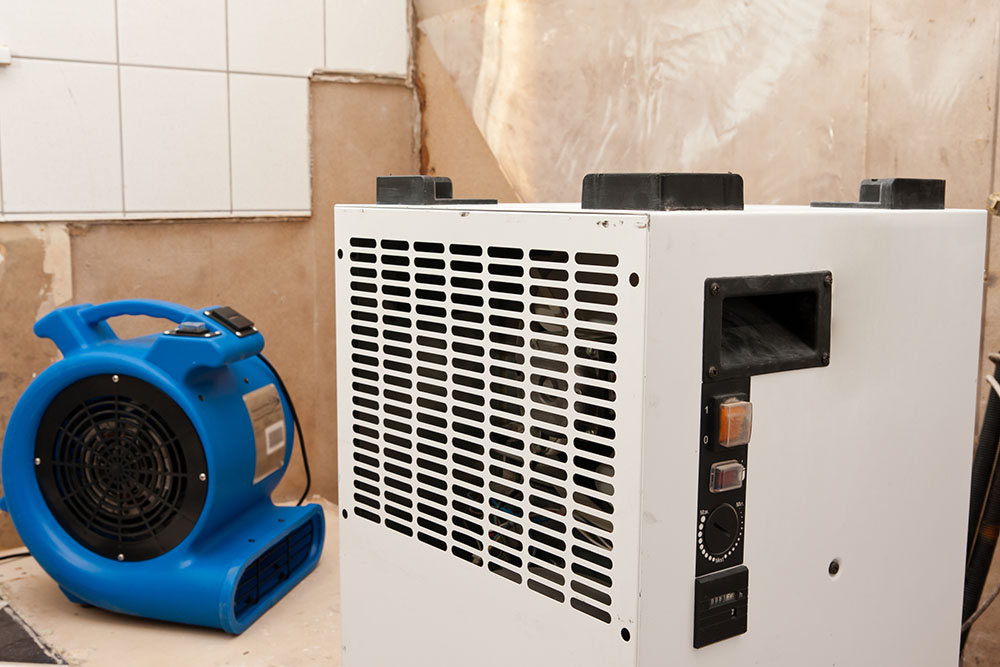
Air movers and dehumidifiers remove moisture from materials and air.
4. Moisture monitoring
Moisture meters confirm that drying is complete.
5. Cleaning and sanitation
Flood-affected areas are cleaned to remove contaminants.
6. Repairs and restoration
Damaged materials are repaired or replaced as needed.
Professionals experienced in coastal environments understand how humidity affects drying times. Companies such as Tip Top Water and Fire Damage Restoration often monitor moisture levels carefully to ensure restoration is complete.
Mold Risk After Flooding
One of the most important property maintenance concerns after flooding is mold growth.
Mold risk increases when:
- Drying is delayed
- Insulation and drywall remain damp
- Humidity levels remain high
- Air circulation is limited
Thorough drying and proper ventilation are essential to preventing mold problems after flood damage.
HVAC Systems and Flood Damage
Flooding can affect HVAC systems in several ways.
Potential problems include:
- Water entering ductwork
- Mold developing in duct insulation
- Reduced airflow efficiency
- Odors circulating through vents
Inspection and cleaning of HVAC systems are often important steps in restoring indoor air quality after a flood.
In Biscayne Park and nearby communities like Surfside and Bal Harbour, maintaining HVAC systems plays a major role in long-term moisture control.
Practical Maintenance Tips to Reduce Future Flood Damage
While flooding cannot always be prevented, property owners can reduce risk by taking proactive steps.
Helpful practices include:
- Inspecting roofs and flashing regularly
- Keeping gutters and drainage systems clear
- Monitoring plumbing systems for leaks
- Checking appliances and supply lines
- Inspecting attics and closets periodically
- Addressing minor leaks immediately
Routine maintenance often prevents small problems from becoming major restoration projects.
Why Local Experience Matters
Flood restoration in South Florida requires an understanding of local climate conditions, building materials, and moisture behavior. Homes in Biscayne Park and nearby coastal communities face constant humidity exposure and seasonal storms that influence drying and restoration methods.
Professionals familiar with local conditions understand:
- How humidity affects drying times
- Where water commonly accumulates in local homes
- Which materials are most vulnerable to moisture damage
- How ventilation systems perform in humid environments
This knowledge helps ensure that restoration is thorough and long-lasting.
A Practical Next Step for Property Owners
Flooding can be stressful, but early action and proper restoration significantly reduce long-term damage. If water enters a home, having the property inspected and dried quickly helps prevent mold growth and structural deterioration.
Working with experienced restoration professionals such as Tip Top Water and Fire Damage Restoration helps ensure that both visible water and hidden moisture are properly addressed. With prompt response and regular maintenance, property owners in Biscayne Park and surrounding communities can keep their homes dry, safe, and well protected.