When Homes Require Mold Testing in Bal Harbour
Mold problems often develop quietly, especially in coastal communities like Bal Harbour where humidity levels remain high for much of the year. Many homeowners first notice a musty smell or a small stain on a ceiling or wall, only to discover that moisture has been present for weeks or even months. Mold testing becomes necessary when there is uncertainty about hidden growth, indoor air quality, or the extent of contamination after leaks or water damage.
Understanding when mold testing is needed—and why it plays an important role in property maintenance—helps homeowners, landlords, and property managers protect their properties and prevent larger problems.
What Mold Testing Is and Why It Matters
Mold testing is a process used to determine whether mold is present, identify the types of mold involved, and assess the extent of contamination. While visible mold does not always require testing before removal, testing is often recommended when the source or scope of the problem is unclear.
Mold testing can help:
- Confirm hidden mold growth
- Identify airborne mold levels
- Locate areas affected by moisture
- Guide remediation planning
- Evaluate indoor air quality concerns
In humid coastal areas, mold may develop in concealed spaces where it is not immediately visible, making testing especially useful.
Why Mold Problems Are Common in Bal Harbour
Bal Harbour’s environment creates ideal conditions for mold growth.
Several local factors contribute:
High humidity year-round
Moist air slows drying and allows damp materials to remain wet longer.
Frequent storms and heavy rain
Wind-driven rain and roof leaks can introduce moisture into attics and walls.
Air conditioning systems
Condensation and clogged drain lines are common sources of hidden moisture.
Coastal air exposure
Salt air and humidity can affect building materials and ventilation systems over time.
Because of these conditions, even small leaks can lead to mold growth if moisture is not removed quickly.
Situations When Mold Testing Is Often Necessary
There are several common scenarios where mold testing becomes important.
After water damage
Flooding, plumbing leaks, or roof leaks can introduce moisture that leads to mold growth, sometimes in hidden areas.
Persistent musty odors
Odors often indicate mold or moisture behind walls, under flooring, or inside ducts.
Visible staining or discoloration
Dark spots on walls or ceilings may indicate mold growth that requires evaluation.
Indoor air quality concerns
Dust, odors, or increased humidity may suggest hidden mold affecting the air.
Before or after remediation
Testing may be used to assess conditions before remediation or confirm that contamination has been addressed.
These situations are common in coastal homes where humidity and moisture interact with building materials.
Early Warning Signs Homeowners Should Watch For
Mold often develops gradually, and early signs are sometimes overlooked.
Property owners may notice:
- Musty or damp smells
- Water stains that reappear
- Peeling paint or bubbling drywall
- Condensation near vents or windows
- Increased indoor humidity
These signs often indicate moisture problems that should be investigated further.
Hidden Areas Where Mold Is Often Found
One reason mold testing becomes necessary is that mold frequently develops in places that are difficult to see.
Common hidden locations include:
- Inside wall cavities
- Beneath carpet or flooring
- Attic insulation and roof decking
- Air ducts and duct insulation
- Closets or storage spaces with limited airflow
In humid coastal environments, these areas may remain damp long after visible surfaces appear dry.
Why Visual Inspection Alone Isn’t Always Enough
A visual inspection can identify obvious mold, but it may not reveal hidden contamination or airborne mold levels. Mold spores are microscopic and can circulate through HVAC systems, affecting areas far from the original moisture source.
Testing helps determine:
- Whether mold is present in the air
- Whether hidden mold may be affecting indoor air quality
- Which areas require closer inspection
This information helps guide remediation and drying efforts more effectively.
How Mold Testing Is Performed
Mold testing typically involves a combination of inspection and sampling.
Common steps include:
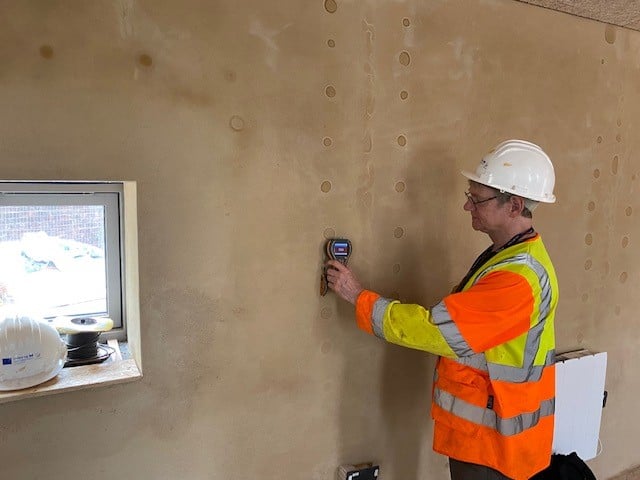
1. Moisture detection
Technicians check walls, ceilings, and flooring for hidden moisture.
2. Air or surface sampling
Samples may be collected to evaluate mold presence and concentration.
3. Inspection of HVAC systems
Ductwork and air handlers are checked for moisture or contamination.
4. Evaluation of ventilation and humidity levels
Understanding airflow and humidity helps identify conditions that allow mold to develop.
Professionals familiar with coastal homes understand how humidity affects mold growth and testing accuracy. Companies such as Tip Top Water and Fire Damage Restoration often include moisture detection as part of the evaluation process to locate hidden sources.
The Connection Between Mold Testing and Remediation
Testing often plays an important role in determining how remediation should be performed.
Testing results can help:
- Identify affected areas
- Determine whether mold has spread
- Confirm that moisture sources are resolved
- Evaluate indoor air quality before and after remediation
This information helps ensure remediation is thorough and effective.
HVAC Systems and Mold Concerns
HVAC systems can influence both mold growth and indoor air quality. When moisture accumulates inside ducts or air handlers, mold may develop and circulate through the home.
Potential concerns include:
- Condensation inside ducts
- Mold growth on insulation
- Air handler leaks
- Reduced airflow increasing humidity
Inspection and cleaning of HVAC systems are often part of improving indoor air quality after mold problems.
Lessons Learned from Local Properties
Real situations from homes in Bal Harbour and nearby communities reveal consistent patterns.
Hidden moisture is often the root cause
Leaks inside walls or attics frequently lead to mold that is not immediately visible.
Humidity accelerates mold growth
Even minor moisture problems can lead to mold when humidity remains high.
Delayed action increases repair costs
Homes inspected and dried quickly typically required less extensive remediation.
Air handlers are common problem areas
Condensation and drainage issues frequently originate in AC closets.
These observations highlight the importance of early inspection and testing.
Practical Steps to Reduce Mold Risk
Property owners can reduce the likelihood of mold problems by following routine maintenance practices.
Helpful steps include:
- Scheduling regular HVAC inspections
- Flushing AC condensate lines
- Monitoring indoor humidity levels
- Inspecting roofs and attics after storms
- Repairing leaks promptly
- Ensuring proper ventilation in kitchens and bathrooms
Preventive maintenance often identifies moisture problems before mold develops.
Why Local Experience Matters
Mold testing in coastal South Florida requires understanding how humidity, storms, and building materials interact. Homes in Bal Harbour and nearby communities such as Surfside, Sunny Isles Beach, and Miami Shores face environmental conditions that differ significantly from inland areas.
Professionals familiar with local conditions understand:
- How humidity affects mold growth and drying
- Where moisture commonly accumulates
- Which materials are most vulnerable
- How ventilation systems behave in humid climates
This experience helps ensure that mold testing and follow-up actions are accurate and effective.
A Practical Next Step for Property Owners
Mold problems often begin quietly but can become serious if moisture remains untreated. If you notice persistent odors, water stains, or signs of humidity, mold testing can help determine whether hidden contamination is present.
Working with experienced restoration professionals such as Tip Top Water and Fire Damage Restoration helps ensure that moisture sources are identified, testing is performed correctly, and any necessary remediation is handled thoroughly. With early action and routine maintenance, homeowners in Bal Harbour can protect their properties and maintain healthy indoor environments.