
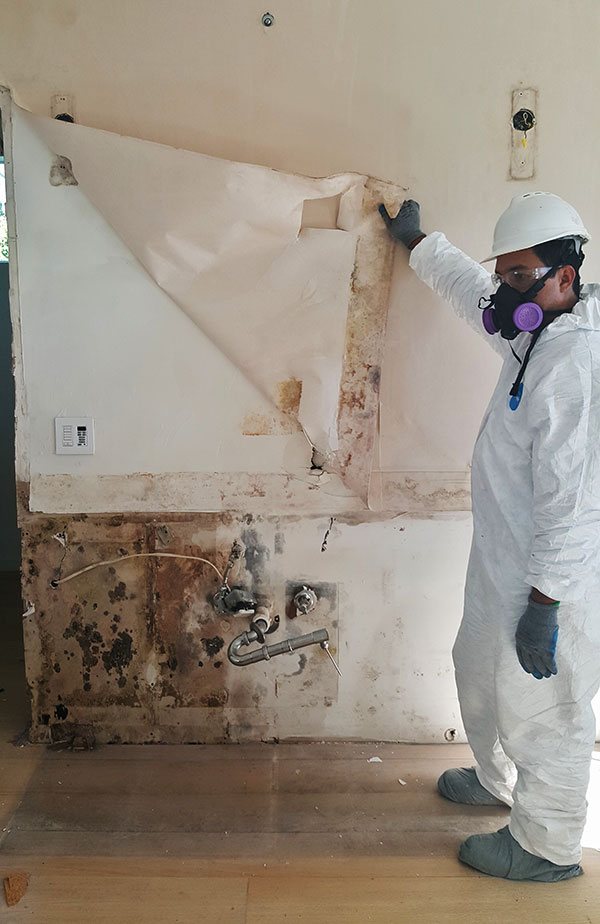
Understanding Mold Remediation in Biscayne Park in High-Rise Condos
High-rise condominium living in Biscayne Park offers convenience, security, and proximity to Miami’s coastal communities. However, condos in South Florida also face ongoing moisture challenges due to year-round humidity, storms, and constant air-conditioning use. When moisture problems remain hidden inside walls or ceilings, mold growth can begin quietly and eventually require professional remediation.
At QualityAir Mold Inspection & Testing, many inspections in Biscayne Park condominiums begin after residents notice musty odors or recurring humidity problems that seem unrelated to visible leaks. Often, mold contamination has already developed behind surfaces, and remediation becomes necessary to restore indoor conditions.
Understanding how mold remediation works in high-rise buildings—and why condo environments present unique challenges—helps property owners and residents prevent recurring problems and protect long-term property value.
A Common Situation in Biscayne Park Condo Units
A frequent scenario begins with what appears to be a small moisture event. A plumbing leak from an upper unit, condensation from air-conditioning equipment, or rain intrusion during storms allows moisture to seep into walls or ceilings.
Cleanup may appear successful at first. Stains are repaired, surfaces dry, and normal living conditions return.
Several weeks later, however, residents may begin noticing musty odors, increased humidity, or discoloration returning in the same area. In many inspections, moisture is discovered trapped inside walls or ceiling cavities where mold growth has already begun spreading.
Because moisture can travel between condo units through shared walls and plumbing spaces, mold problems often extend beyond the area where water was first noticed.
This pattern is common in Biscayne Park’s high-rise communities.
Why Mold Problems Develop Easily in High-Rise Condos
Condominium buildings have structural characteristics that make moisture problems harder to isolate compared to single-family homes.
Common contributing factors include:
- Shared plumbing systems between units
- Moisture traveling through shared walls or ceilings
- Air-conditioning condensation issues
- Limited ventilation in interior areas
- Aging building envelope seals
- High coastal humidity year-round
Water from neighboring units or common building systems can spread without immediate warning. Residents may not realize a leak exists until odors or staining appear later.
In humid coastal environments, materials dry slowly, allowing mold colonies to grow unnoticed.
How Mold Growth Affects Condo Living
Mold growth often indicates an ongoing moisture problem that gradually affects both property condition and indoor comfort.
Common impacts include:
- Ceiling or wall deterioration
- Persistent musty odors
- Increased indoor humidity
- Reduced HVAC efficiency
- Damage to cabinetry or flooring
- Complaints from neighboring units
In high-rise environments, unresolved mold problems may also impact adjacent units or common building areas.
For owners planning to sell or rent their condos, mold concerns may delay transactions, as buyers frequently request inspections when odors or damage are noticed.
Addressing mold quickly protects both comfort and property value.
Mold Inspection Before Remediation
Many condo owners assume mold should be removed immediately once visible growth appears. However, inspection is always the first step.
A professional mold inspection identifies moisture sources and determines how far contamination has spread. Inspectors examine kitchens, bathrooms, HVAC systems, ceilings, exterior walls, and plumbing areas.
Mold testing or indoor air quality testing may also be recommended when contamination is suspected but not visible or when documentation is required for property transactions.
QualityAir Mold Inspection & Testing focuses on inspection and testing so remediation addresses moisture causes rather than cosmetic symptoms.
Removing mold without correcting moisture conditions usually leads to mold returning.
Why DIY Mold Cleanup Often Fails in Condos
Some residents attempt to clean mold themselves using household products or repainting affected areas. While surfaces may look improved temporarily, mold often returns.
Cleaning visible mold does not remove contamination hidden behind walls or ceilings. Moisture remains trapped, allowing mold growth to continue unseen.
Painting over mold traps moisture inside materials, worsening long-term damage.
In condominium buildings, DIY cleanup may also fail because moisture may still be entering from another unit or shared building systems.
Professional remediation includes containment, safe removal, and moisture correction—steps DIY efforts rarely accomplish successfully.
Step-by-Step Mold Remediation Process in Condos
Professional mold remediation in high-rise buildings follows a structured and controlled process designed to prevent contamination from spreading.
First, remediation crews isolate affected areas using containment barriers to prevent mold spores from spreading into the condo or neighboring units.
Air filtration equipment is used to capture airborne mold particles during removal.
Next, materials that cannot be safely cleaned—such as contaminated drywall or insulation—are removed and properly disposed of. Remaining surfaces are then professionally cleaned to eliminate mold residues.
After removal, the moisture source must be corrected. Repairs may involve plumbing fixes, HVAC adjustments, or building envelope improvements.
Finally, follow-up inspections or testing confirm contamination has been successfully eliminated and moisture levels corrected.
Successful remediation depends on solving the moisture problem so mold does not return.
An Insight Many Condo Owners Don’t Expect
One surprising observation during many inspections is that mold problems often originate outside the unit where symptoms appear.
Moisture from plumbing leaks, HVAC condensation, or neighboring units may travel through shared spaces. Residents sometimes believe the problem is limited to their condo when contamination actually began elsewhere.
Routine inspections help identify the true source of problems before they spread further.
Practical Steps Condo Owners Can Take to Prevent Mold
Preventing mold growth in high-rise condos requires attention to moisture control and maintenance awareness.
Air-conditioning systems should receive regular servicing to ensure condensation drains properly.
Bathroom and kitchen exhaust fans should be used during cooking and showering to reduce humidity buildup.
Leaks should be reported and repaired immediately, even when damage appears minor.
Furniture should not be placed tightly against exterior walls where condensation may occur.
Periodic professional inspections help confirm hidden moisture problems have not developed.
Preventive action reduces the risk of costly remediation later.
Why Local Experience Matters in Biscayne Park Condos
Moisture behavior differs in coastal high-rise buildings compared to inland properties. Inspectors must understand how Biscayne Park’s humidity, storms, and building construction influence moisture movement inside condominium units.
Our experience inspecting properties throughout Biscayne Park and surrounding coastal communities allows us to quickly recognize moisture patterns common in high-rise buildings and recommend realistic prevention strategies suited to local conditions.
Local expertise leads to faster problem identification and effective solutions.
Practical Guidance for Biscayne Park Condo Owners
If your condo develops persistent musty odors or visible mold signs, professional inspection helps prevent problems from worsening.
QualityAir Mold Inspection & Testing provides professional mold inspection and mold testing services while coordinating remediation when necessary.
Taking action early protects indoor comfort, prevents hidden structural damage, and helps maintain long-term property value in Biscayne Park’s humid coastal environment.
Mold remediation in high-rise condos should be viewed as part of routine property maintenance—ensuring hidden moisture problems are corrected before they become expensive repairs or ongoing indoor air quality concerns later.