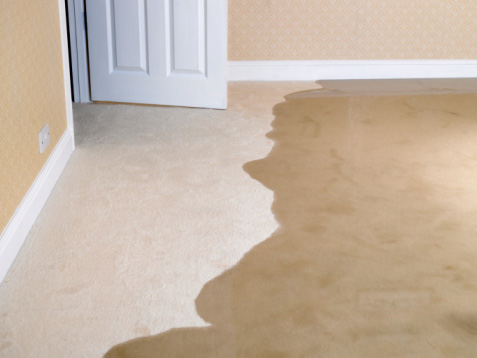
Key Facts Every Property Owner Should Know: Carpet Cleaning After Water Damage Challenges in Sunny Isles Beach
Carpet can be one of the most difficult materials to restore after water damage, especially in coastal areas like Sunny Isles Beach. High humidity, frequent storms, and constant air conditioning use all influence how moisture behaves indoors. Even when water damage appears minor, carpets and the padding beneath them can retain moisture long after the surface feels dry.
Why Carpet Is So Vulnerable to Water Damage
Carpet fibers absorb water quickly, and moisture often spreads into the padding and subfloor beneath. Once these layers become saturated, drying becomes more complicated than many property owners expect.
Water damage to carpet may affect:
- Carpet fibers
- Padding beneath the carpet
- Subflooring
- Baseboards and nearby drywall
- Indoor air quality
Because padding holds moisture longer than carpet fibers, a carpet may feel dry while hidden moisture remains underneath.
Why Sunny Isles Beach Homes Face Unique Challenges
Coastal conditions in Sunny Isles Beach and nearby communities such as Bal Harbour, Aventura, and North Miami Beach create an environment where drying and cleaning carpets is more difficult.
High humidity
Moist air slows evaporation, meaning carpets take longer to dry.
Warm temperatures
Warm environments accelerate odor formation and microbial growth when materials remain damp.
Frequent storms and moisture intrusion
Heavy rainfall and wind-driven rain increase the likelihood of water entering homes.
Continuous AC use
Air conditioning systems may create condensation or contribute to uneven drying if airflow is restricted.
These factors mean that proper drying and cleaning are essential to prevent recurring problems.
Common Causes of Carpet Water Damage
In Sunny Isles Beach, carpets are often affected by water for several reasons.
Frequent causes include:
- Plumbing leaks or appliance failures
- Roof leaks after storms
- AC condensate line clogs
- Minor flooding from heavy rain
- Water intrusion through windows or doors
Even small leaks can soak carpet padding, creating conditions where odors or mold develop.
Early Signs Carpet Cleaning Is Necessary
After water exposure, property owners should watch for early warning signs that carpets require cleaning and drying.
Common signs include:
- Damp or cool areas underfoot
- Musty or sour odors
- Discoloration or staining
- Wrinkling or buckling in carpet fibers
- Increased humidity in the room
These symptoms often indicate moisture in the padding or subfloor.
Hidden Problems Beneath Wet Carpet
One of the biggest challenges after water damage is moisture that remains hidden beneath the carpet.
Common hidden issues include:
- Saturated padding
- Moist subflooring
- Mold growth beneath the carpet
- Odor-causing bacteria in damp materials
- Residue left by contaminated water
In humid climates, these hidden areas may remain damp for extended periods if not properly dried.
Why Quick Drying Is Critical
Time is one of the most important factors in carpet restoration. The longer moisture remains in carpet and padding, the greater the likelihood of odors, staining, and mold growth.
Delays in drying can lead to:
- Permanent carpet damage
- Persistent odors
- Mold growth beneath flooring
- Damage to subfloors and baseboards
Beginning drying quickly often makes the difference between cleaning and replacement.
Why DIY Carpet Drying Often Falls Short
Many property owners attempt to dry carpets using household fans or by opening windows. While these steps may help remove surface moisture, they rarely dry deeper layers effectively.
DIY drying often fails because:
- Humidity remains too high
- Padding stays wet even when carpet feels dry
- Airflow is not strong enough to remove deep moisture
- Moisture trapped in subfloors is not detected
Without proper drying, odors and mold may develop weeks later.
How Professional Carpet Cleaning and Drying Works
Carpet cleaning after water damage typically involves a structured process designed to restore both cleanliness and dryness.
1. Inspection and moisture detection
Technicians determine how far water has spread and identify hidden damp areas.
2. Water extraction
Specialized equipment removes water from carpet fibers and padding.
3. Cleaning and sanitation
Cleaning helps remove contaminants, residue, and odor-causing particles.
4. Structural drying
Air movers and dehumidifiers remove moisture from carpet, padding, and surrounding materials.
5. Monitoring moisture levels
Drying continues until materials reach safe moisture levels.
Professionals familiar with coastal environments understand how humidity affects drying. Companies such as Tip Top Water and Fire Damage Restoration often combine extraction, cleaning, and humidity control to ensure long-lasting results.
The Connection Between Carpet Moisture and Indoor Air Quality
Wet carpets can affect indoor air quality, especially when humidity is high. Damp materials may release odors and particles into the air.
Potential effects include:
- Musty odors circulating through the home
- Increased airborne particles
- Reduced air freshness
- Mold spores becoming airborne if growth begins
Proper cleaning and drying help restore healthier indoor air conditions.
HVAC Systems and Carpet Drying
Air conditioning systems play an important role in drying and humidity control. However, they can also contribute to moisture problems if not functioning properly.
Potential concerns include:
- Condensation dripping near vents
- Reduced airflow slowing drying
- Moisture circulating through ductwork
- High indoor humidity despite AC use
Routine inspection and maintenance help ensure HVAC systems support effective drying.
Lessons Learned from Local Properties
Real situations from homes and condominiums in Sunny Isles Beach reveal several consistent patterns.
Padding is often more affected than carpet fibers
Many homeowners underestimate how much moisture remains beneath the surface.
Humidity slows drying significantly
Even after extraction, carpets may require extended drying time.
Odors return when drying is incomplete
Incomplete drying is one of the most common causes of lingering smells.
Early action reduces restoration costs
Homes where drying began quickly usually required less extensive work.
These observations highlight the importance of prompt inspection and professional drying.
Practical Maintenance Tips to Prevent Future Carpet Problems
Property owners can reduce the likelihood of carpet damage by taking preventive steps.
Helpful practices include:
- Inspecting plumbing and appliances regularly
- Cleaning AC condensate lines periodically
- Monitoring indoor humidity levels
- Checking carpets and flooring after storms
- Addressing leaks immediately
Routine maintenance often prevents small problems from becoming major repairs.
Why Local Experience Matters
Carpet cleaning after water damage in coastal South Florida requires understanding how humidity, airflow, and building materials interact. Homes in Sunny Isles Beach face environmental conditions that differ significantly from inland regions.
Professionals familiar with local conditions understand:
- How coastal humidity affects drying times
- Where moisture commonly accumulates
- Which materials are most vulnerable
- How ventilation systems perform in humid climates
This experience helps ensure carpets are properly cleaned, dried, and protected from future damage.
A Practical Next Step for Property Owners
Carpet that has been exposed to water should be cleaned and dried as soon as possible to prevent odors, mold, and structural damage. If you notice damp areas, musty smells, or discoloration, having the affected area inspected early can help prevent larger repairs later.
Working with experienced restoration professionals such as Tip Top Water and Fire Damage Restoration helps ensure that both visible moisture and hidden dampness are properly addressed. With prompt action and regular maintenance, property owners in Sunny Isles Beach can keep their homes clean, dry, and comfortable year-round.