When Homes Require Smoke Damage Cleanup in Surfside
Smoke damage is not always dramatic or obvious. In many homes across Surfside, the need for smoke damage cleanup begins with something relatively small—a kitchen fire, an electrical malfunction, or smoke entering from a nearby incident. Even when flames never reach large portions of the property, smoke particles can travel quickly through rooms, ventilation systems, and structural materials.
Because smoke residue spreads easily and lingers in humid coastal environments, timely cleanup is essential to prevent odors, indoor air quality problems, and long-term structural effects.
What Smoke Damage Really Is
Smoke damage occurs when combustion particles settle on surfaces or become embedded in porous materials. These particles are extremely small and can travel far from the original source, affecting areas that were never directly exposed to flames.
Smoke residue can affect:
- Walls and ceilings
- Cabinets and countertops
- Carpets and flooring
- Insulation and framing
- Air ducts and HVAC systems
In humid climates like Surfside, smoke particles can cling to surfaces longer and become more difficult to remove if cleanup is delayed.
Why Smoke Damage Is Common in Surfside Homes
Surfside and nearby communities such as Bal Harbour, Miami Shores, and North Miami Beach face several conditions that influence how smoke behaves indoors.
High humidity levels
Moist air can cause smoke residue to remain on surfaces and prolong odors.
Warm temperatures
Heat accelerates odor persistence and can reactivate smoke smells in damp environments.
Continuous HVAC operation
Air conditioning systems may circulate smoke particles throughout the home.
Coastal construction materials
Drywall, insulation, and wood components commonly used in homes can absorb smoke residue.
These conditions mean that even minor smoke exposure should be addressed promptly.
Situations When Smoke Damage Cleanup Is Necessary
Many homeowners associate smoke damage only with major fires, but cleanup is often required after smaller incidents.
Common situations include:
- Kitchen fires or cooking accidents
- Electrical issues or appliance malfunctions
- Smoke entering from nearby building fires
- Garage or outdoor fires affecting indoor air
- Small fires extinguished quickly but producing heavy smoke
Even when visible soot is limited, odors and airborne particles may remain.
Early Signs That Smoke Damage Is Present
After a smoke-related incident, property owners may notice warning signs that indicate cleanup is needed.
Common indicators include:
- Persistent smoky or burnt odors
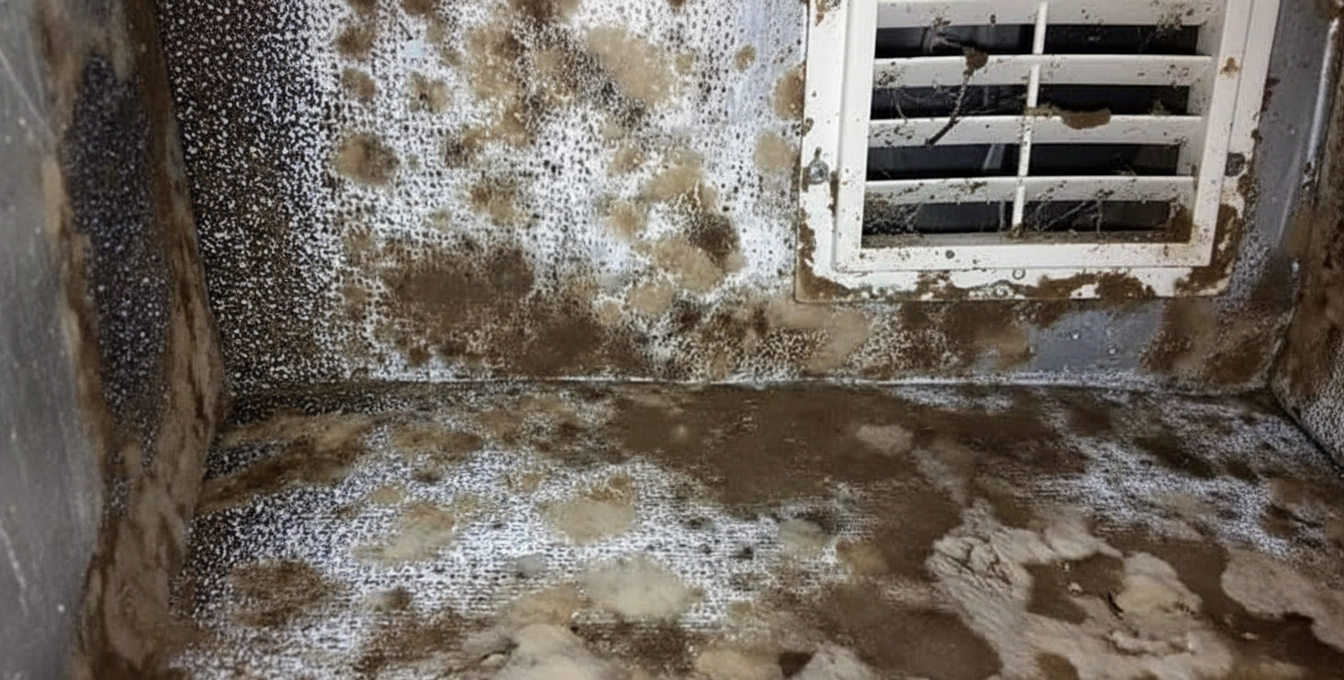
- Dark residue near vents or ceilings
- Discoloration on walls or cabinets
- Odors that return when the AC runs
- Fine dust settling on surfaces
These signs often indicate that smoke particles have spread into hidden areas.
Hidden Areas Where Smoke Residue Accumulates
Smoke particles travel easily through airflow and often settle in places that are not visible.
Common hidden locations include:
- Inside air ducts and vents
- Attic insulation
- Behind drywall and inside wall cavities
- Inside closets and storage spaces
- Beneath flooring edges and baseboards
In humid coastal environments, these areas may retain odors long after surface cleaning is completed.
Why Prompt Cleanup Matters
Smoke damage tends to worsen over time if not addressed quickly. Residue can bond with surfaces, making cleaning more difficult and allowing odors to persist.
Delays in cleanup can lead to:
- Permanent staining or discoloration
- Lingering odors
- Reduced indoor air quality
- Damage to finishes and materials
Starting cleanup early helps reduce the extent of restoration needed.
The Smoke Damage Cleanup Process
Effective smoke damage cleanup involves more than wiping surfaces. A thorough process typically includes several steps.
1. Inspection and assessment
All affected areas are evaluated, including hidden spaces and HVAC systems.
2. Removal of soot and residue
Specialized cleaning methods remove particles without spreading contamination.
3. Cleaning structural surfaces
Walls, ceilings, and fixtures are cleaned to remove embedded residue.
4. Odor treatment
Odor-neutralizing methods help eliminate persistent smoke smells.
5. Drying and ventilation
Humidity control helps prevent odors from returning.
Professionals familiar with local coastal conditions often adjust drying and ventilation methods to ensure effective results. Companies such as Tip Top Water and Fire Damage Restoration frequently combine cleaning, moisture control, and ventilation improvements to restore indoor environments.
The Role of HVAC Systems in Smoke Damage
Air conditioning systems often play a major role in spreading smoke particles. When smoke enters ducts or air handlers, it can circulate throughout the home.
Potential concerns include:
- Residue inside ductwork
- Odors recirculating when the system runs
- Reduced airflow efficiency
- Dust mixed with soot accumulating in vents
Inspection and cleaning of HVAC systems are often necessary after smoke exposure.
The Connection Between Smoke Damage and Indoor Air Quality
Smoke particles are extremely fine and can remain airborne or settle in dust throughout the home. This can affect indoor air quality even after visible residue is removed.
Potential indoor air issues include:
- Persistent odors
- Increased airborne particles
- Reduced air freshness
- Dust accumulation
Thorough cleaning and ventilation improvements help restore healthier indoor air conditions.
Lessons Learned from Local Homes
Real situations from homes in Surfside reveal several consistent patterns.
Smoke spreads farther than expected
Residue is often found in rooms far from the original source.
Humidity prolongs odors
Homes with higher humidity levels experienced longer-lasting smells.
Ductwork frequently requires attention
Odors often returned when HVAC systems were not inspected.
Early cleanup reduces restoration costs
Homes cleaned promptly usually required fewer repairs.
These observations highlight the importance of prompt inspection and cleanup.
Practical Steps to Prevent Long-Term Smoke Damage
Property owners can take steps to reduce the likelihood of recurring odors or contamination.
Helpful practices include:
- Replacing HVAC filters after smoke exposure
- Monitoring indoor humidity levels
- Inspecting ducts and vents periodically
- Cleaning surfaces thoroughly after minor smoke incidents
- Ensuring proper ventilation throughout the home
Routine maintenance helps maintain indoor air quality and prevents odors from returning.
Why Local Experience Matters
Smoke damage cleanup in coastal South Florida requires understanding how humidity, temperature, and building materials interact. Homes in Surfside and nearby communities face environmental conditions that differ significantly from inland areas.
Professionals familiar with local conditions understand:
- How humidity affects odor retention
- Where smoke residue commonly accumulates
- How ventilation systems behave in humid environments
- Which materials are most vulnerable to contamination
This knowledge helps ensure cleanup is thorough and effective.
A Practical Next Step for Property Owners
Smoke damage may not always appear serious at first, but odors and residue can persist if hidden contamination remains. If you notice lingering smells, discoloration, or changes in indoor air quality, having the property inspected can help prevent larger problems later.
Working with experienced restoration professionals such as Tip Top Water and Fire Damage Restoration helps ensure that smoke residue, odors, and ventilation issues are properly addressed. With prompt cleanup and regular maintenance, homeowners in Surfside can keep their properties clean, comfortable, and protected over the long term.