How Coastal Weather Influences Moisture Detection in Aventura
Moisture problems in homes are not always caused by obvious leaks or flooding. In coastal cities like Aventura, weather itself plays a major role in how moisture develops, spreads, and hides within a structure. High humidity, heavy seasonal rains, warm temperatures, and frequent storms all influence how water behaves inside buildings.
Because of these conditions, moisture detection becomes an essential part of home maintenance. Identifying hidden damp areas early helps prevent mold growth, structural damage, and indoor air quality problems that can develop quietly over time.
Why Moisture Detection Matters in Coastal Homes
Moisture detection is the process of identifying damp materials and hidden water intrusion before visible damage occurs. In many cases, drywall, insulation, or flooring can hold moisture long before stains or odors appear.
Moisture detection helps property owners:
- Locate hidden leaks
- Prevent mold growth
- Protect structural materials
- Reduce repair costs
- Maintain healthy indoor air quality
In humid environments like Aventura, this step is often the key to preventing long-term problems.
The Role of Coastal Weather in Moisture Problems
Coastal weather patterns directly influence how moisture behaves in homes.
High humidity levels
Outdoor air near the coast often contains large amounts of moisture. When this air enters a home, it can slow drying and allow materials to remain damp longer.
Frequent heavy rain
Storms and sudden downpours can introduce water through roofs, windows, or exterior walls.
Warm temperatures
Heat accelerates evaporation but also increases condensation when cool air from air conditioning meets warm, humid air.
Tropical storms and hurricanes
Wind-driven rain and pressure changes can force moisture into areas that normally remain dry.
These environmental factors make moisture detection especially important in coastal communities.
How Humidity Affects Hidden Moisture
Humidity plays a major role in moisture detection challenges. In dry climates, water evaporates quickly and problems are often easier to identify. In humid climates, moisture lingers and may not produce obvious signs right away.
High humidity can:
- Slow drying of wet materials
- Allow moisture to spread through walls and flooring
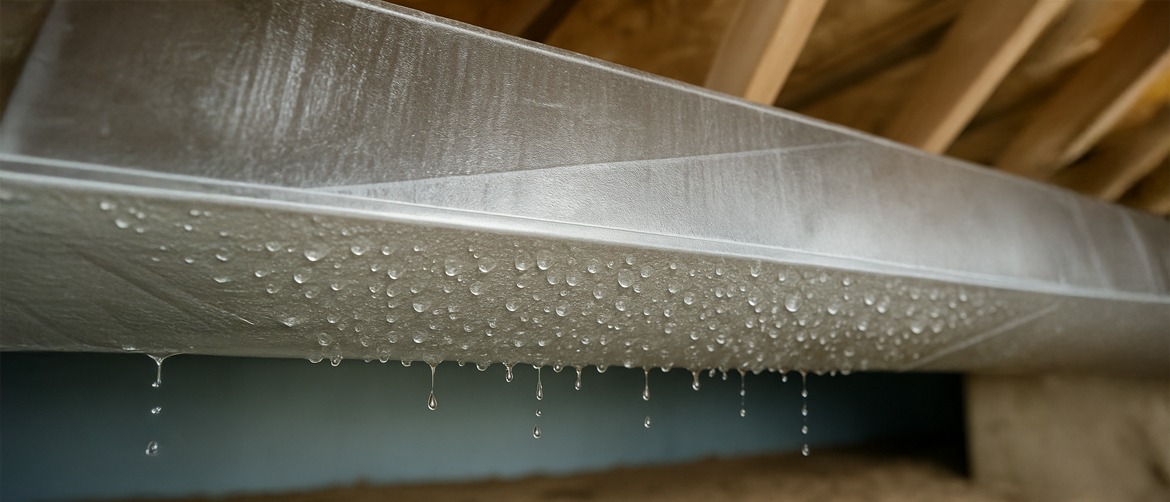
- Cause condensation inside ducts or ceilings
- Mask early warning signs of leaks
Because of this, moisture detection tools are often necessary to identify problems that cannot be seen or felt.
Common Moisture Sources in Aventura Homes
In many homes, moisture problems result from a combination of weather conditions and everyday household systems.
Frequent sources include:
- Roof leaks after storms
- Plumbing leaks inside walls
- AC condensation or clogged drain lines
- Window and door seal failures
- Poor attic ventilation
These issues often remain hidden until moisture detection identifies damp materials behind finished surfaces.
Professionals familiar with local conditions often perform thorough inspections using specialized tools. Companies such as Tip Top Water and Fire Damage Restoration frequently emphasize early moisture detection as one of the most effective ways to prevent mold and structural damage.
Early Signs Moisture May Be Present
Even when moisture is hidden, small warning signs often appear first.
Property owners may notice:
- Musty or damp odors
- Peeling paint or bubbling drywall
- Water stains or discoloration
- Increased indoor humidity
- Warped flooring or baseboards
These signs often indicate moisture behind walls or beneath flooring that requires inspection.
Hidden Areas Where Moisture Often Develops
In coastal homes, moisture frequently accumulates in areas that are rarely inspected.
Common locations include:
- Inside wall cavities
- Beneath tile or carpet
- Attic insulation and roof decking
- Air ducts and HVAC closets
- Behind cabinets and appliances
Because these areas are enclosed, moisture may remain trapped for extended periods if not detected.
How Moisture Detection Is Performed
Moisture detection involves a systematic inspection of a property using both visual evaluation and specialized tools.
Typical steps include:
1. Visual inspection
Technicians look for signs of water intrusion or humidity-related damage.
2. Moisture meter readings
Meters measure moisture levels in drywall, wood, and other materials.
3. Inspection of HVAC systems and ducts
Air handlers and ducts are common moisture sources in coastal homes.
4. Attic and roof evaluation
Leaks and condensation often originate in these areas.
5. Mapping moisture levels
Tracking moisture helps ensure drying and repairs are effective.
This process helps identify problems early, often before major damage occurs.
Why Coastal Weather Makes Detection More Challenging
Coastal weather conditions can make moisture problems harder to detect for several reasons.
Moisture spreads farther in humid air
Water vapor moves through materials more easily in high humidity.
Drying takes longer
Materials that might dry quickly inland may remain damp near the coast.
Condensation occurs more frequently
Temperature differences between indoor air and humid outdoor air can produce condensation in ducts and ceilings.
Minor leaks become major issues faster
Humidity accelerates mold growth and material deterioration.
These factors make regular inspection especially important in coastal areas.
The Link Between Moisture and Mold Growth
Moisture detection is often the first step in preventing mold problems. Mold requires three conditions to grow:
- Moisture
- Organic material
- Warm temperatures
Homes in Aventura naturally provide the second and third conditions, so controlling moisture is the most effective way to prevent mold.
Detecting moisture early often eliminates mold risk before it develops.
Lessons Learned from Local Properties
Real situations from homes in Aventura reveal several consistent patterns.
Hidden leaks are more common than expected
Small roof or plumbing leaks often go unnoticed until detected during inspections.
Humidity prolongs drying
Materials frequently remain damp even after visible water disappears.
Air handlers are frequent problem areas
Condensation and clogged drain lines are common moisture sources.
Early detection reduces repair costs
Homes inspected early usually require less extensive restoration.
These observations highlight the importance of routine inspections.
Practical Maintenance Tips for Property Owners
Property owners can reduce moisture risks by following preventive maintenance practices.
Helpful steps include:
- Inspecting roofs and flashing after storms
- Cleaning AC condensate lines regularly
- Monitoring indoor humidity levels
- Checking attics and storage areas periodically
- Repairing leaks promptly
Preventive maintenance often identifies small problems before they become major repairs.
Why Local Experience Matters
Moisture detection in coastal South Florida requires understanding how humidity, storms, and building materials interact. Homes in Aventura and nearby communities such as Sunny Isles Beach, Bal Harbour, and Miami Shores experience environmental conditions that differ significantly from inland areas.
Professionals familiar with local conditions understand:
- How humidity affects moisture readings
- Where moisture commonly accumulates
- Which materials are most vulnerable
- How ventilation systems behave in humid climates
This knowledge helps ensure inspections are accurate and effective.
A Practical Next Step for Property Owners
Moisture problems often begin quietly but can lead to mold, odors, and structural damage if left untreated. If you notice musty smells, water stains, or humidity changes, having your property inspected for hidden moisture can prevent larger problems later.
Working with experienced restoration professionals such as Tip Top Water and Fire Damage Restoration helps ensure that moisture sources are identified early and addressed properly. With routine inspections and preventive maintenance, homeowners in Aventura can protect their properties and maintain comfortable indoor environments year-round.