
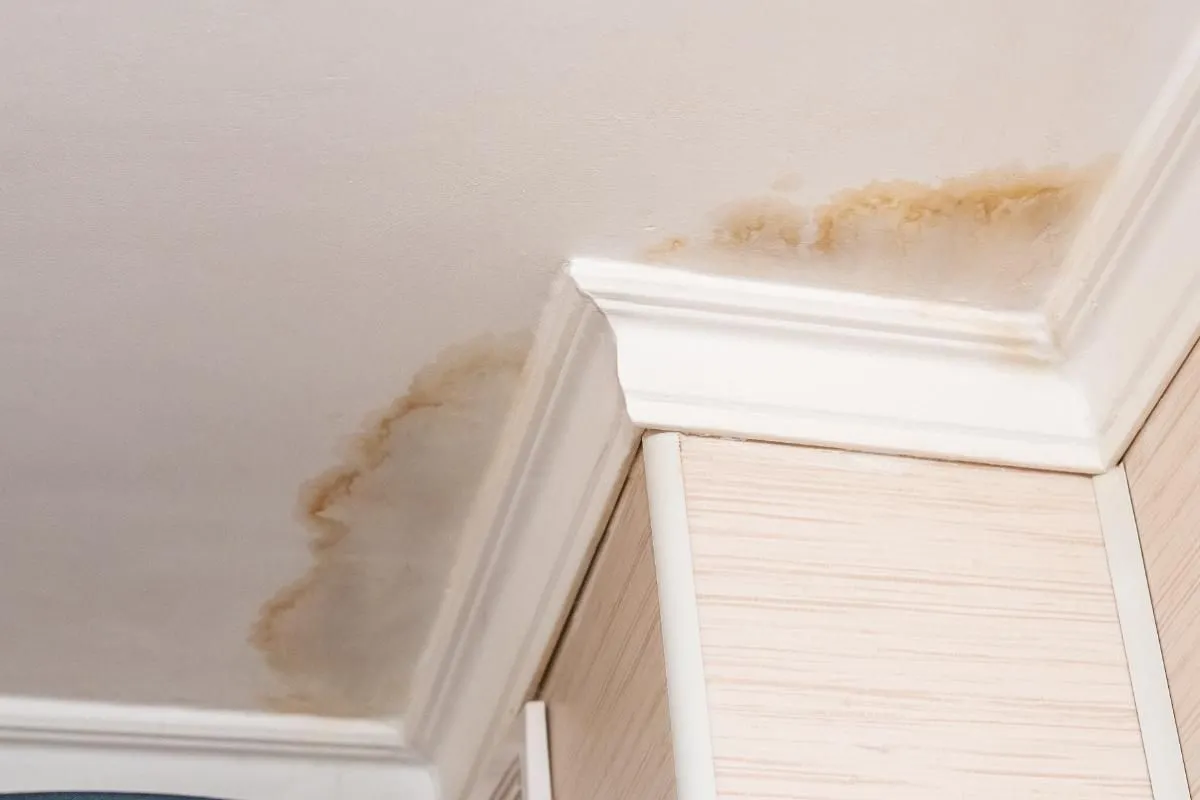
Water Leak Detection in North Miami Beach: Real-World Observations from Local Properties
Water leaks are one of the most common yet underestimated problems facing homeowners and property managers in North Miami Beach. Living near the coast brings beautiful scenery and ocean breezes, but it also exposes homes to constant humidity, heavy rainstorms, and building wear caused by salty coastal air. These conditions often lead to hidden leaks that remain unnoticed until visible damage appears.
Across North Miami Beach and nearby coastal communities, many properties experience recurring moisture problems that begin with small leaks inside walls, ceilings, or floors. By the time residents notice stains or odors, the damage may already require extensive repairs. Real-world inspections throughout the area show that early leak detection plays a crucial role in preventing structural issues and mold growth.
Understanding how and why leaks occur helps homeowners take action before costly repairs become necessary.
What Water Leaks Really Look Like Inside Homes
Water leaks do not always appear as dripping pipes or flooded floors. In many homes, leaks develop slowly inside walls, under flooring, or above ceilings, making them difficult to detect at first.
Small plumbing leaks may drip for months without visible evidence. Roof leaks sometimes allow water to travel along beams before appearing far from the original source. Air conditioning systems can also leak due to condensation or drainage failures.
Over time, trapped moisture weakens drywall, flooring, and structural materials. Odors begin to develop, and mold growth often follows. Leak detection focuses on locating moisture early before widespread damage occurs.
Why North Miami Beach Homes Face Frequent Leak Problems
Properties in North Miami Beach face environmental challenges unique to coastal South Florida. High humidity persists year-round, and homes constantly battle moisture entering from outside air.
Seasonal storms and heavy rains frequently cause water intrusion through roofs, balconies, and window seals. Wind-driven rain can penetrate exterior surfaces, especially in older buildings where waterproofing systems have deteriorated.
Air conditioning systems, which run almost continuously in coastal homes, produce condensation that must drain properly. When drainage lines clog, water can overflow into ceilings or walls.
Salt air exposure also gradually weakens building materials, making homes more vulnerable to leaks over time. These combined factors create ongoing leak risks for both older and newer properties.
Early Signs Homeowners Often Overlook
Many leaks begin with small warning signs that homeowners sometimes dismiss. One of the most common indicators is a musty smell in certain rooms or closets.
Residents may also notice faint discoloration on ceilings or walls, peeling paint, or bubbling drywall. Carpets or flooring may feel slightly damp without obvious flooding.
Higher indoor humidity levels or unexpected increases in water bills sometimes point to hidden plumbing leaks. Bathrooms, kitchens, laundry rooms, and areas near air conditioning systems often show symptoms first.
Recognizing these signs early helps prevent larger repairs later.
Hidden Leak Sources Found in Local Properties
Inspections across North Miami Beach properties reveal several hidden leak sources that homeowners rarely notice on their own.
Plumbing pipes inside walls sometimes develop slow leaks due to aging materials or corrosion. Roof leaks may allow water to seep into attic spaces, traveling across beams before reaching ceilings.
Air conditioning systems frequently produce leaks when condensate drainage systems clog or overflow. In high-rise buildings, water may travel between units through shared structural areas, making leaks harder to trace.
Balcony drainage problems, cracked exterior walls, or poorly sealed windows also allow water intrusion during storms.
Professional leak detection tools are often necessary to locate these hidden sources.
Why DIY Leak Detection Usually Falls Short
Homeowners sometimes try to locate leaks themselves by checking visible plumbing or repainting stained areas. While these steps may temporarily hide damage, they rarely solve the problem.
Leaks often remain hidden inside walls or beneath flooring. Without proper equipment, moisture continues spreading unnoticed. Simply repairing visible damage without locating the source allows problems to return.
Professional leak detection focuses on identifying moisture patterns and tracing leaks accurately so repairs can target the correct location.
How Professional Leak Detection Works
Professional leak detection specialists use non-invasive equipment to locate hidden moisture without unnecessary demolition. Moisture meters measure water content inside materials, helping pinpoint damp areas.
Thermal imaging cameras reveal temperature differences that indicate moisture behind walls or ceilings. Inspectors also evaluate HVAC systems, plumbing systems, roofing structures, and ventilation systems.
In some cases, pressure testing or specialized listening devices help locate plumbing leaks within walls or under floors.
Companies such as Tip Top Water and Fire Damage Restoration frequently assist North Miami Beach homeowners by detecting leaks early, preventing major property damage.
Accurate detection allows targeted repairs rather than guesswork.
Proper Steps After a Leak Is Found
Once a leak is located, the first step is correcting the source. Plumbing repairs, roof fixes, or AC maintenance may be required depending on the problem.
Professional drying equipment then removes trapped moisture from walls and flooring. Damaged materials may need replacement if water exposure was extensive.
Drying and restoration help prevent mold growth while returning the home to safe conditions. Addressing leaks promptly protects both property value and indoor comfort.
Mold Risks Associated with Water Leaks
Leaks often lead to mold growth when moisture remains inside structures. Mold spores begin growing within days if materials remain damp.
Once mold develops, contamination may spread through air circulation, affecting other parts of the home. Odors become stronger, and remediation costs increase.
Prompt leak detection and drying prevent mold from becoming a secondary problem.
HVAC Systems and Leak Problems
Air conditioning systems play a major role in coastal homes, but they also create leak risks when maintenance is delayed. Condensation buildup inside ducts or ceilings sometimes results in slow water leaks.
Dirty or clogged drainage lines allow water to overflow, damaging surrounding materials. Regular AC inspections and maintenance reduce condensation-related leaks.
Because North Miami Beach homes rely heavily on AC systems, HVAC upkeep remains essential for preventing moisture problems.
Preventing Water Leaks in Coastal Homes
Routine maintenance is the most effective way to prevent leaks. Homeowners should inspect roofs, balconies, and windows regularly, especially after storms.
Checking plumbing fixtures and ensuring AC drainage systems remain clear helps prevent slow leaks. Proper ventilation in bathrooms and kitchens also reduces humidity buildup.
Scheduling professional inspections after severe weather helps detect problems early before damage spreads.
Preventive maintenance saves money compared to large repair projects later.
Why Local Experience Matters for Leak Detection
Homes across North Miami Beach, Sunny Isles Beach, Bal Harbour, and Biscayne Park experience moisture challenges specific to coastal South Florida. Building styles vary, but humidity and storm exposure remain constant.
Local specialists understand common leak patterns in regional properties and know where hidden moisture typically develops. Professionals with regional expertise, including Tip Top Water and Fire Damage Restoration, help homeowners implement solutions suited to local conditions.
Local experience allows faster identification and more effective repairs.
A Practical Next Step for Homeowners
If your home shows signs of persistent humidity, unexplained stains, or musty odors, scheduling a professional leak detection inspection is a practical next step. Early detection prevents structural damage and reduces long-term repair costs.
Maintaining dry indoor conditions protects property value and creates comfortable living environments. In North Miami Beach’s coastal climate, proactive leak detection remains one of the best ways to safeguard homes against ongoing moisture challenges.
Addressing leak problems early helps ensure homes remain safe, comfortable, and resilient against South Florida’s demanding coastal weather conditions.