
Explaining the Process of Water Damage Repair in Bayfront Homes in North Miami
Living in a bayfront home in North Miami offers beautiful views and access to coastal breezes, but waterfront living also comes with unique challenges. One of the most common issues property owners face is water intrusion and the damage it can cause inside homes.
Water damage in bayfront neighborhoods often occurs gradually rather than through one major event. Small leaks, storm-driven rain, flooding, and humidity-related moisture buildup frequently combine to create long-term problems. Many homeowners do not realize the extent of the damage until walls, flooring, or ceilings begin to show visible signs.
Understanding how professional water damage repair works helps homeowners act quickly, limit damage, and restore their properties safely after water intrusion occurs.
Understanding Water Damage in Coastal Homes
Water damage happens whenever unwanted moisture enters parts of a home designed to stay dry. In bayfront areas of North Miami, homes are constantly exposed to higher humidity levels and seasonal storms that increase the risk of water intrusion.
Water can enter properties through:
• Storm flooding or tidal surge
• Roof leaks during heavy rain
• Window and door seal failures
• Plumbing leaks inside walls
• AC condensation problems
• Poor exterior drainage around foundations
Once water enters, it can soak drywall, insulation, wood framing, flooring, and cabinetry. If not properly dried, moisture remains trapped inside structures and leads to mold growth and structural deterioration.
Why Bayfront Homes Face Higher Risks
Homes located near Biscayne Bay or other waterfront areas experience unique environmental stress compared to inland properties.
Constant exposure to coastal air increases moisture levels inside homes. Seasonal storms bring heavy rainfall and wind-driven water intrusion. Older bayfront homes sometimes lack modern waterproofing methods, allowing moisture to enter through small structural gaps.
Salt air can also accelerate deterioration of exterior materials, leading to cracks and openings where water can seep in over time.
Nearby communities like Miami Shores, Biscayne Park, Bal Harbour, and North Miami Beach face similar issues, particularly in homes close to canals or open waterfront areas.
Signs of Water Damage Homeowners Often Notice
Water damage does not always appear immediately. In many cases, homeowners notice gradual changes before realizing a larger problem exists.
Common warning signs include:
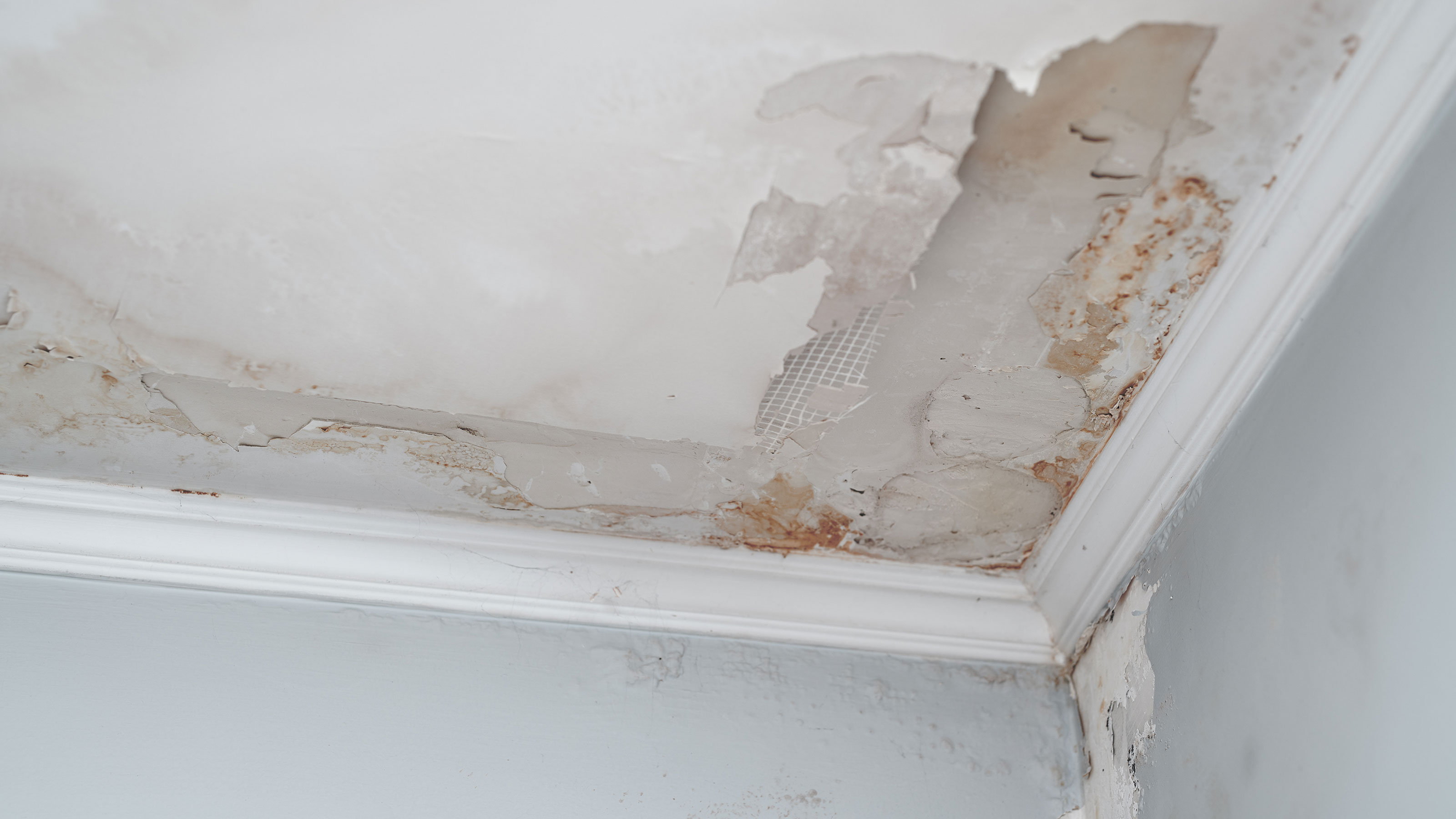
• Water stains on ceilings or walls
• Soft or warped flooring
• Peeling paint or bubbling drywall
• Musty odors indoors
• Increased humidity or condensation
• Mold growth near vents or baseboards
Because many of these signs appear slowly, damage may spread behind walls before homeowners realize repairs are needed.
Hidden Areas Where Damage Develops
Professional inspections in North Miami often reveal moisture damage in areas rarely checked by homeowners.
Common hidden problem areas include:
• Behind kitchen or bathroom cabinets
• Inside wall cavities from plumbing leaks
• Beneath flooring after minor flooding
• Inside air conditioning closets or ducts
• Attic insulation affected by roof leaks
• Crawl spaces with poor ventilation
Even small, slow leaks can keep building materials damp long enough for mold to develop and structural damage to begin.
Why Quick Action Is Essential
One of the biggest mistakes homeowners make after water intrusion is waiting too long to address the issue. Moisture spreads quickly, especially during North Miami’s humid summer months.
Within the first 24 to 48 hours, water can begin causing:
• Mold growth
• Wood swelling and weakening
• Drywall deterioration
• Electrical hazards
• Odor development
Fast response limits damage and reduces restoration costs. Immediate water removal and drying are crucial steps in preventing further complications.
Professional Water Damage Inspection Process
Before repairs begin, professionals conduct a detailed inspection to determine how far moisture has spread.
Inspection typically includes:
• Moisture meter readings inside walls and floors
• Thermal imaging to detect hidden damp areas
• Inspection of plumbing, roofs, and AC systems
• Evaluation of affected materials
This process helps technicians understand what needs removal, what can be dried, and what must be replaced.
Accurate inspection ensures repairs target the real problem instead of only visible damage.
Water Removal and Structural Drying
After inspection, the next step is removing standing water and drying affected areas thoroughly.
Professionals use industrial-grade equipment including:
• High-powered water extraction machines
• Commercial air movers
• Large dehumidifiers
• Specialized drying systems for walls and flooring
Drying often takes several days, as moisture trapped inside structural materials must be removed gradually.
Skipping proper drying can lead to mold problems even after repairs appear complete.
Repairing and Restoring Damaged Areas
Once drying is complete, damaged materials are repaired or replaced. Restoration focuses on returning the home to its original condition.
Typical repair work includes:
• Replacing damaged drywall and insulation
• Repairing flooring or subflooring
• Repainting walls and ceilings
• Restoring cabinetry or trim
• Repairing structural components if necessary
Professional restoration ensures repairs match existing finishes and maintain the home’s structural integrity.
Mold Prevention After Water Damage
Bayfront homes are especially vulnerable to mold following water intrusion. Moisture left behind after flooding or leaks creates ideal conditions for mold growth.
Professionals often include preventive steps such as:
• Antimicrobial treatments
• Dehumidification improvements
• Ventilation upgrades
• Duct inspection and cleaning
Preventive measures help avoid future mold remediation expenses.
Role of Air Conditioning and Duct Systems
In North Miami, air conditioning systems play a critical role in moisture control. However, poorly maintained systems can contribute to water damage.
Common issues include:
• Condensation leaks
• Clogged drain pans
• Dirty coils trapping moisture
• Airflow problems causing humidity buildup
Once mold grows inside ducts, spores can circulate throughout the home.
Inspection and maintenance of HVAC systems are often part of long-term water damage prevention plans.
Preventing Future Water Damage
Homeowners in bayfront neighborhoods can reduce future risks by adopting routine maintenance habits.
Helpful preventive steps include:
• Regular roof inspections
• Cleaning gutters and drainage paths
• Sealing windows and doors properly
• Servicing air conditioning systems annually
• Checking plumbing for leaks
• Installing proper exterior drainage
Preventive action saves homeowners from repeated repairs and unexpected restoration costs.
Why Local Experience Matters
Water damage in North Miami homes often behaves differently compared to inland areas due to coastal weather and building conditions.
Professionals familiar with local construction styles, climate patterns, and storm risks are better equipped to diagnose and repair damage correctly.
Companies such as Tip Top Water and Fire Damage Restoration regularly handle water damage in bayfront communities, allowing them to tailor solutions specifically to North Miami conditions rather than applying generic restoration methods.
A Practical Next Step for Homeowners
If your bayfront home shows signs of water intrusion or moisture buildup, scheduling an inspection early can prevent expensive repairs later.
Water damage repair is most effective when addressed quickly and thoroughly. Taking calm, proactive steps protects both property value and indoor comfort.
In coastal communities like North Miami, water damage repair is not just emergency work — it is part of responsible home maintenance that keeps properties safe and resilient against future weather challenges.