
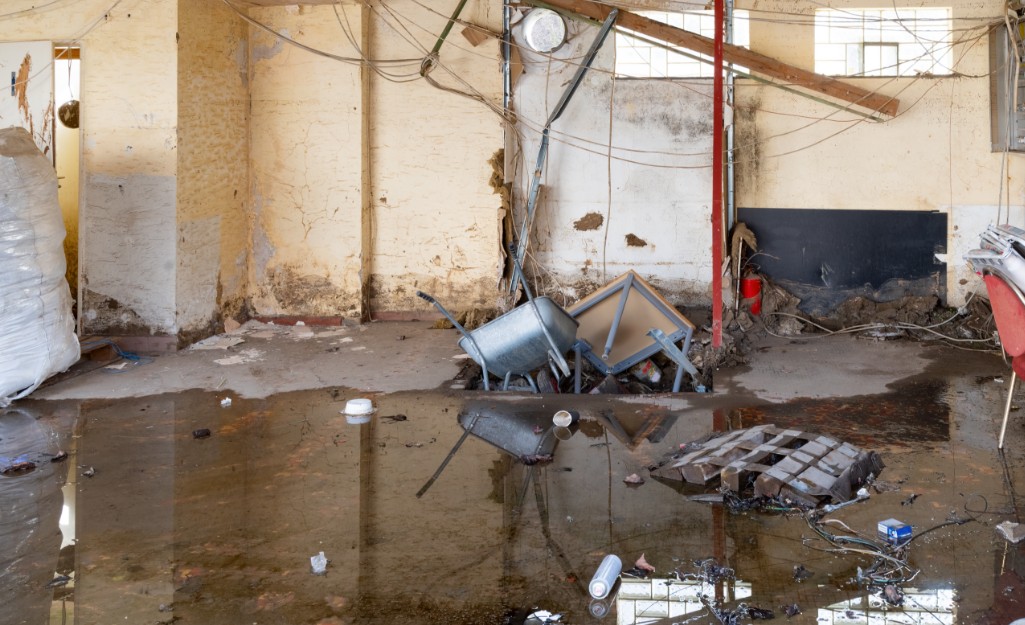
Understanding Water Removal in North Miami After Heavy Rain
Heavy rainstorms are a regular part of life in North Miami. While residents are accustomed to sudden downpours and tropical weather systems, many homeowners are still caught off guard when water enters their homes. Even well-maintained properties can experience indoor flooding during intense storms, making water removal an urgent necessity.
Across North Miami and nearby coastal communities, restoration professionals frequently respond to homes affected by rainwater intrusion. These real-world experiences show that quick and proper water removal is critical to preventing long-term damage, mold growth, and costly repairs.
Understanding why rainwater enters homes and how professional water removal works helps property owners protect their homes after storms.
How Heavy Rain Leads to Indoor Water Problems
During intense rain events, water can overwhelm drainage systems and find entry points into homes. Roof leaks, clogged gutters, damaged window seals, or foundation cracks often allow rainwater to enter structures.
Water may also seep through doors or garage openings when storm drains cannot handle sudden rainfall volume. In some homes, landscaping slopes direct water toward foundations, increasing intrusion risk.
Once water enters, it quickly spreads across floors and into walls, carpeting, and structural materials. Even shallow flooding can cause hidden moisture problems that persist long after visible water disappears.
Water removal becomes necessary to stop moisture from causing long-term damage.
Why North Miami Homes Are Especially Vulnerable
North Miami’s coastal climate contributes to frequent indoor water problems after storms. Rainfall intensity during summer and hurricane season often overwhelms drainage systems, particularly in older neighborhoods.
High humidity levels slow natural drying, allowing moisture to remain trapped inside homes longer. Many properties also sit at low elevations, making them vulnerable to localized flooding.
Older homes may lack modern waterproofing features, while newer homes sometimes experience drainage design issues. High-rise condos and townhouses are not immune either, as water can travel between units or enter through balconies.
Because storms occur frequently, homes face repeated exposure to moisture risks.
Warning Signs After Heavy Rain
Homeowners sometimes assume their property avoided damage if no standing water is visible after a storm. However, early warning signs often appear later.
Musty odors frequently develop in areas where moisture remains hidden. Discoloration or stains on ceilings and walls may appear days after rainfall. Paint or drywall may begin peeling due to trapped moisture.
Carpets or flooring may feel damp, and humidity levels indoors may remain higher than normal. Closets and storage areas sometimes show signs first due to poor ventilation.
These signs indicate that moisture may still be present inside the home.
Hidden Moisture After Rainwater Intrusion
One of the biggest challenges after heavy rain is moisture that remains hidden behind surfaces. Water may enter through roofs or walls and travel far from its original entry point.
Carpet padding, insulation, and subfloors absorb water quickly and hold moisture even when surfaces appear dry. Over time, this hidden moisture encourages mold growth and structural deterioration.
In multi-story buildings, water sometimes travels downward through structural cavities, affecting areas not directly exposed to rain.
Professional moisture detection tools are often needed to locate hidden water.
Why DIY Cleanup Often Falls Short
Homeowners sometimes attempt to handle water intrusion using mops, household fans, or carpet cleaners. While these methods help remove visible water, they rarely eliminate moisture trapped inside materials.
Without professional extraction and drying equipment, moisture remains inside walls and floors, creating conditions for mold growth and odors.
Simply drying surfaces or repainting damaged areas does not correct underlying moisture problems. Professional water removal focuses on complete drying rather than cosmetic cleanup.
Proper restoration prevents recurring issues.
How Professional Water Removal Works
Professional restoration teams begin by identifying the extent of water intrusion. Moisture meters and thermal imaging equipment help locate hidden damp areas.
Water extraction equipment removes standing water from floors and carpets quickly. Industrial air movers and dehumidifiers then dry affected materials thoroughly, preventing mold growth.
In some cases, damaged materials such as drywall or carpeting must be removed if contamination is severe. Restoration specialists also inspect HVAC systems and ventilation areas to ensure moisture has not spread elsewhere.
Companies such as Tip Top Water and Fire Damage Restoration frequently assist North Miami homeowners by providing fast water removal services after storms, reducing long-term property damage.
Proper removal protects both structures and indoor air quality.
Mold Risks Following Rainwater Intrusion
Mold growth often follows water intrusion if moisture remains inside structures. In North Miami’s humid climate, mold can begin developing within days.
Once mold forms, spores spread through air circulation, affecting larger areas of the home. Odors become stronger, and remediation costs increase.
Prompt water removal and drying prevent mold from becoming a secondary problem after storms.
Addressing moisture quickly protects both property value and living conditions.
HVAC Systems Can Spread Moisture Problems
Air conditioning systems play an important role after water intrusion events. If moisture enters ductwork or air handlers, contamination may spread throughout the home.
Condensation buildup inside ducts after flooding sometimes worsens moisture problems. Dirty or clogged drainage lines may also cause additional leaks.
Regular HVAC inspections and duct cleaning help reduce moisture buildup and prevent indoor air quality problems after storms.
Given North Miami’s reliance on air conditioning, HVAC maintenance remains critical.
Preventing Future Water Intrusion
Homeowners can reduce water intrusion risks by maintaining roofs, gutters, and drainage systems. Ensuring landscaping directs water away from foundations helps prevent flooding.
Checking windows and doors for proper sealing reduces rainwater entry during storms. Cleaning gutters and downspouts regularly prevents overflow problems.
Scheduling inspections after major storms helps detect damage early before moisture spreads.
Preventive maintenance costs far less than extensive restoration later.
Why Local Experience Matters in Water Removal
Homes across North Miami, Miami Shores, Biscayne Park, and nearby coastal neighborhoods face moisture challenges unique to South Florida’s climate. Local building styles and weather patterns create recurring intrusion risks.
Restoration specialists familiar with local properties understand common trouble spots and can quickly identify water intrusion sources. Companies with regional experience, including Tip Top Water and Fire Damage Restoration, provide solutions tailored to coastal conditions.
Local knowledge leads to faster response and more effective recovery.
A Practical Next Step for Homeowners
If your home experiences water intrusion after heavy rain, scheduling professional water removal quickly is the safest step. Early action prevents structural damage and reduces long-term repair costs.
Maintaining dry indoor conditions protects property value and keeps living spaces comfortable. In North Miami’s storm-prone environment, proactive water removal and moisture control remain essential for protecting homes year-round.
Addressing water problems immediately ensures homes remain safe, resilient, and better prepared for future storms.