What Really Causes the Need for Carpet Cleaning After Water Damage in Bayfront Homes in North Miami
Carpet is one of the first materials affected when water enters a home, and in bayfront properties in North Miami, water intrusion is not uncommon. High humidity, heavy rains, storm surge, plumbing leaks, and air-conditioning condensation can all introduce moisture into flooring. While visible water may be removed quickly, carpets and padding often retain moisture much longer, creating conditions that require thorough cleaning and drying.
Why Carpet Is So Vulnerable to Water Damage
Carpet and the padding beneath it are highly absorbent. When water enters a room, these materials act like a sponge, holding moisture deep below the surface.
Water can affect:
- Carpet fibers
- Padding and underlayment
- Subfloors
- Baseboards and drywall edges
- Indoor air quality
Even when the surface appears dry, moisture may still be trapped underneath, which is why cleaning and drying are often necessary after water exposure.
Why Bayfront Homes in North Miami Face Higher Risk
Homes near Biscayne Bay are exposed to environmental conditions that increase the likelihood of moisture problems.
Several local factors contribute:
High humidity levels year-round
Moist air slows evaporation, allowing carpets and padding to remain damp longer.
Frequent storms and heavy rainfall
Wind-driven rain and localized flooding can introduce water quickly.
Salt air exposure
Salt and moisture in the air can affect building materials and ventilation.
Continuous air conditioning use
AC systems produce condensation that can lead to damp flooring when drainage problems occur.
Because of these conditions, carpets in bayfront homes often require more thorough cleaning and drying than in drier climates.
The Most Common Causes of Carpet Water Damage
Carpet cleaning is usually necessary after several types of water-related events.
Common causes include:
- Plumbing leaks or pipe failures
- Roof leaks during storms
- Appliance overflows
- AC condensate line clogs
- Minor flooding from heavy rain
Even small leaks can saturate carpet padding and lead to odor or mold problems if not addressed properly.
Hidden Moisture Beneath Carpet
One of the main reasons carpet cleaning becomes necessary is hidden moisture that remains beneath the surface.
Moisture often accumulates in:
- Carpet padding
- Subfloors
- Edges near baseboards
- Areas under furniture
Because padding holds water easily, moisture may remain long after the surface appears dry. Without proper cleaning and drying, this moisture can lead to odors and deterioration of materials.
Professionals familiar with local coastal conditions often use moisture detection tools to locate hidden damp areas. Companies such as Tip Top Water and Fire Damage Restoration frequently emphasize inspecting beneath flooring to ensure moisture is fully removed.
Odor Development After Water Exposure
Persistent odors are one of the most common reasons carpet cleaning becomes necessary. When carpet remains damp, bacteria and organic particles begin to break down, producing musty or sour smells.
Odors often develop when:
- Padding remains wet
- Drying is delayed
- Humidity remains high
- Residue from floodwater or leaks is present
Cleaning and proper drying are necessary to eliminate odor sources rather than simply masking smells.
Mold Risk in Damp Carpets
Mold growth is another major reason carpet cleaning is required after water damage. Mold thrives in warm, damp environments, and carpets provide an ideal surface when moisture remains trapped.
Mold may develop when:
- Carpets remain damp for more than a short period
- Humidity levels stay high
- Airflow is limited
- Moisture spreads into padding or subfloors
Removing moisture quickly and cleaning affected materials significantly reduces mold risk.
The Role of Humidity in Coastal Homes
Humidity plays a major role in carpet damage and drying time in North Miami’s bayfront neighborhoods. Even after visible water is removed, humid air can slow evaporation and keep materials damp.
High humidity can:
- Prolong drying times
- Allow odors to persist
- Increase mold risk
- Cause materials to reabsorb moisture
Controlling humidity is often a critical step in carpet restoration.
How Carpet Cleaning After Water Damage Works
Carpet cleaning after water damage is different from routine cleaning. The goal is to remove moisture, contaminants, and residues while restoring safe moisture levels.
The process typically includes:
1. Inspection and moisture detection
Technicians determine how far water has spread and whether padding or subflooring is affected.
2. Water extraction
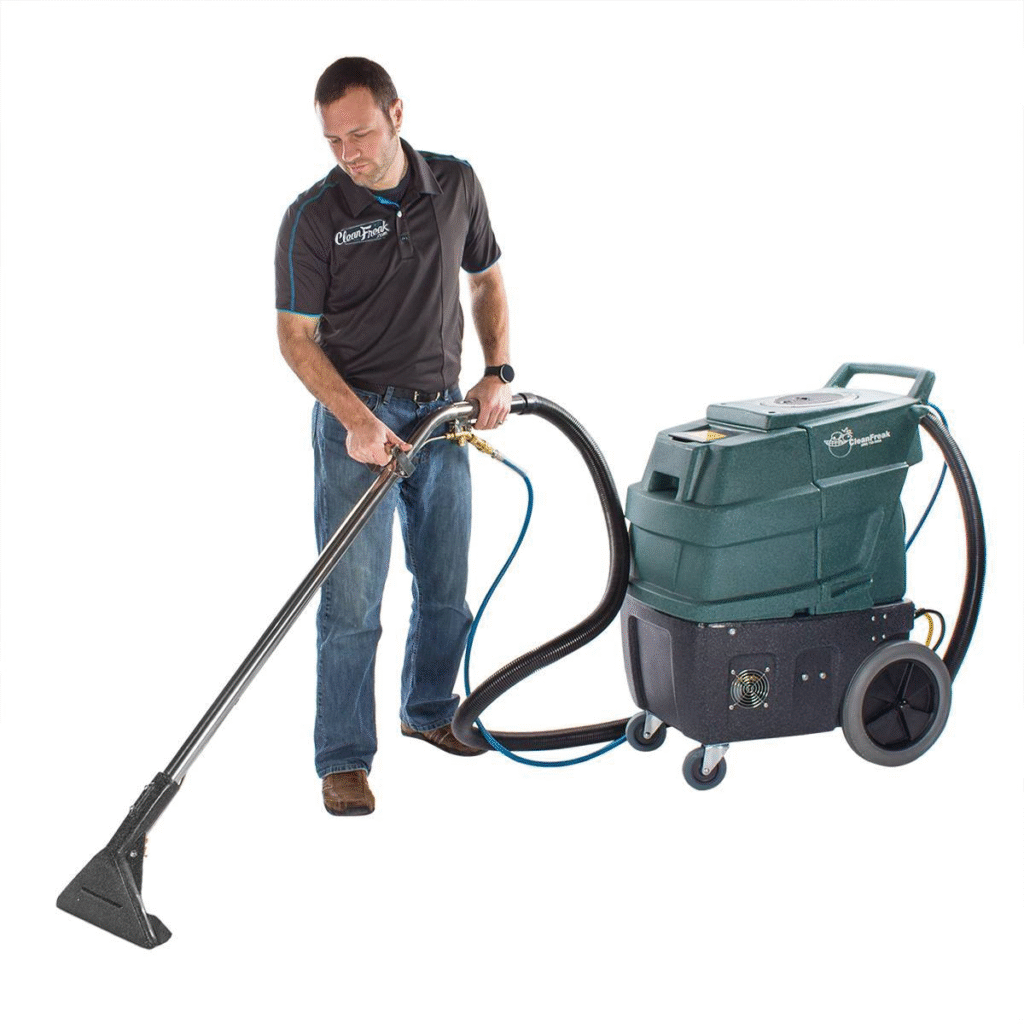
Powerful extraction equipment removes as much moisture as possible.
3. Cleaning and sanitation
Cleaning removes residues and helps prevent odors.
4. Structural drying
Air movers and dehumidifiers remove moisture from carpet, padding, and surrounding materials.
5. Moisture monitoring
Drying continues until safe levels are reached.
This structured approach helps prevent recurring problems.
Why DIY Drying Often Isn’t Enough
Some property owners attempt to dry carpets using household fans or by opening windows. While these methods may help remove surface moisture, they rarely address deeper layers.
DIY drying often falls short because:
- Padding remains wet
- Humidity slows evaporation
- Moisture trapped in subfloors is not detected
- Airflow is insufficient
Incomplete drying is one of the most common reasons odors and mold appear weeks after water damage.
Lessons Learned from Local Bayfront Properties
Real situations from homes in North Miami reveal several consistent patterns.
Padding is often the most affected material
Many carpets felt dry on the surface while padding remained saturated.
Humidity prolongs drying times
Coastal conditions often require extended drying.
Odors return when drying is incomplete
Hidden moisture frequently caused recurring smells.
Early cleaning reduces replacement costs
Carpets cleaned and dried quickly were often saved.
These observations highlight the importance of prompt action.
Practical Steps to Prevent Future Carpet Damage
Property owners can reduce the likelihood of carpet damage by following routine maintenance practices.
Helpful steps include:
- Inspecting plumbing and appliances regularly
- Cleaning AC condensate lines periodically
- Monitoring indoor humidity levels
- Checking carpets after storms or leaks
- Addressing small leaks immediately
Preventive maintenance often prevents minor issues from becoming major repairs.
Why Local Experience Matters
Carpet cleaning after water damage in coastal South Florida requires understanding how humidity, temperature, and building materials interact. Homes in North Miami, Miami Shores, and Biscayne Park face environmental conditions that differ significantly from inland areas.
Professionals familiar with local conditions understand:
- How coastal humidity affects drying times
- Where moisture commonly accumulates
- Which materials are most vulnerable
- How ventilation systems influence indoor conditions
This knowledge helps ensure carpets are properly cleaned and dried.
A Practical Next Step for Property Owners
Water-damaged carpet should be addressed quickly to prevent odors, mold, and structural damage. If you notice damp areas, staining, or musty smells, having the area inspected early can prevent larger problems later.
Working with experienced restoration professionals such as Tip Top Water and Fire Damage Restoration helps ensure that both visible moisture and hidden dampness are properly addressed. With timely action and routine maintenance, homeowners in North Miami’s bayfront neighborhoods can keep their homes clean, dry, and comfortable year-round.