
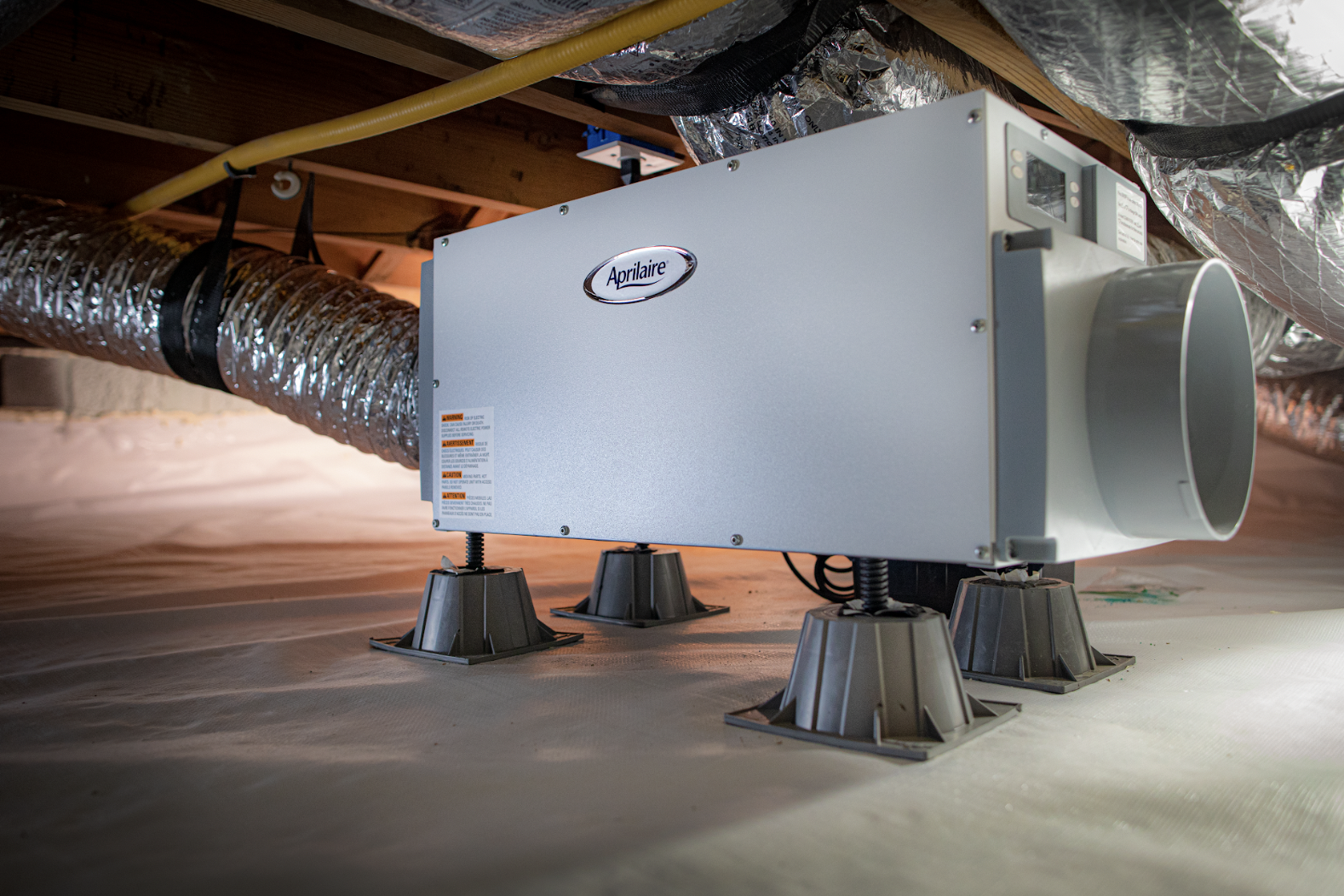
Simple Ways to Reduce Long-Term Damage: Moisture Detection Challenges in Bal Harbour
Bal Harbour is known for its beautiful waterfront properties, luxury condominiums, and peaceful coastal atmosphere. Yet even in well-maintained homes and modern buildings, one issue continues to challenge homeowners and property managers: hidden moisture. In coastal environments like Bal Harbour, moisture problems can develop quietly and lead to significant long-term damage if they are not detected early.
Many residents assume moisture problems only occur after flooding or major plumbing failures. However, real-world inspections across Bal Harbour show that moisture issues often begin slowly and invisibly. Detecting moisture early is one of the most effective ways to prevent mold growth, structural deterioration, and expensive repairs.
Understanding why moisture detection is challenging—and how to reduce risks—helps homeowners protect their investments and maintain comfortable living environments.
What Moisture Problems Really Look Like Inside Homes
Moisture damage rarely appears immediately. Instead, water or humidity slowly accumulates inside walls, ceilings, flooring, or insulation materials. Once moisture becomes trapped, it weakens building materials and creates ideal conditions for mold growth.
Drywall, wood framing, carpeting, and insulation absorb moisture easily. Over time, materials begin to deteriorate, producing odors and stains that homeowners may only notice after damage has spread.
In many Bal Harbour properties, especially condominiums, moisture travels through structural spaces before becoming visible, making detection even more difficult.
Moisture detection focuses on locating hidden water before it causes widespread damage.
Why Moisture Problems Are Common in Bal Harbour
Bal Harbour’s coastal climate creates constant moisture exposure. Outdoor humidity remains high most of the year, allowing damp air to enter homes through doors, windows, and ventilation systems.
Frequent rainstorms and tropical weather events increase the risk of water intrusion through roofs, balconies, and exterior walls. Wind-driven rain can push water into small openings that go unnoticed for months.
Air conditioning systems, which operate nearly year-round, also produce condensation. When drainage systems clog or airflow becomes restricted, condensation accumulates inside ceilings or walls.
Coastal salt air slowly affects building materials as well, making structures more vulnerable to moisture intrusion over time.
These environmental factors combine to make moisture detection especially important in Bal Harbour.
Signs Homeowners Often Miss
One of the biggest moisture detection challenges is that early warning signs are easy to overlook. Many residents notice small clues but do not immediately associate them with hidden moisture.
Musty odors are often the first sign, especially in closets or rarely used rooms. Some homeowners notice slight discoloration or stains on ceilings or walls. Paint or wallpaper may begin peeling in isolated areas.
Flooring may feel slightly damp, or carpets may develop lingering odors. Increased indoor humidity despite running air conditioning can also indicate hidden moisture.
Because these signs appear gradually, they are often ignored until damage becomes more severe.
Hidden Moisture Sources in Coastal Homes
Inspections across Bal Harbour properties frequently reveal moisture problems originating in unexpected locations.
Small plumbing leaks inside walls may drip slowly for months. Roof leaks sometimes travel along beams before showing up in distant rooms. Balcony drainage failures in condos often allow water intrusion during heavy rain.
Air conditioning systems commonly create hidden moisture problems when condensate lines clog or units overflow. Bathrooms and kitchens with poor ventilation allow humidity to remain trapped inside walls.
In multi-unit buildings, moisture may even travel between apartments through shared structural spaces.
Without proper equipment, these hidden sources remain difficult to identify.
Why DIY Solutions Often Fail
Homeowners sometimes try to fix moisture problems themselves by repainting stained areas or using portable fans and dehumidifiers. While these methods may temporarily improve appearance, they often fail to eliminate underlying moisture.
Moisture trapped inside walls or flooring cannot be removed without specialized equipment. If damp materials remain, mold and odors usually return.
Professional moisture detection identifies the root cause, allowing targeted repairs instead of repeated surface fixes.
Addressing the source prevents long-term damage.
How Professional Moisture Detection Works
Professional inspectors use specialized tools to locate hidden moisture without unnecessary demolition. Moisture meters measure water content inside materials, helping pinpoint damp areas.
Thermal imaging cameras reveal temperature differences behind walls and ceilings, showing where moisture may be present. Inspectors also evaluate HVAC systems, plumbing lines, roofing structures, and ventilation systems.
Air and surface testing may be conducted if mold contamination is suspected.
Companies such as Tip Top Water and Fire Damage Restoration frequently assist Bal Harbour property owners by detecting moisture problems early, preventing expensive restoration projects later.
Accurate detection ensures repairs address the real issue.
Proper Steps After Moisture Is Found
Once moisture is located, the first step is correcting the source. This may involve plumbing repairs, roofing fixes, balcony drainage improvements, or AC system maintenance.
Industrial drying equipment then removes trapped moisture from walls, floors, and ceilings. Damaged materials may need replacement if exposure has been prolonged.
Proper drying prevents mold growth while restoring safe indoor conditions. Addressing moisture early significantly reduces long-term repair costs.
Mold Risks Linked to Hidden Moisture
When moisture remains inside structures, mold often follows. In Bal Harbour’s humid climate, mold growth can begin within days.
Once mold spreads, spores circulate through air conditioning systems, affecting indoor air quality throughout the property. Odors become stronger, and remediation costs increase.
Prompt moisture detection and drying prevent mold from becoming a secondary problem.
HVAC Systems and Moisture Challenges
Air conditioning systems play a critical role in managing indoor humidity but can also create moisture problems when not maintained properly.
Condensation buildup inside ducts or air handlers sometimes leads to hidden water leaks. Dirty ducts or clogged drainage lines allow moisture to linger, encouraging mold growth.
Regular AC maintenance and duct cleaning reduce moisture accumulation and improve airflow, helping maintain healthier indoor conditions.
Because Bal Harbour homes rely heavily on air conditioning, proper HVAC care remains essential.
Simple Prevention Steps Homeowners Can Take
Reducing moisture risks begins with routine maintenance. Homeowners should inspect roofs, balconies, and windows regularly, especially after storms.
Ensuring AC drainage systems function properly prevents condensation overflow. Improving ventilation in kitchens and bathrooms reduces humidity buildup.
Dehumidifiers may help in moisture-prone areas, but periodic professional inspections remain the best way to detect hidden problems early.
Preventive action costs far less than large restoration projects.
Why Local Experience Matters
Homes across Bal Harbour, North Miami Beach, Surfside, and nearby coastal communities share moisture challenges unique to South Florida’s environment. Building styles vary, but humidity exposure remains constant.
Local specialists understand how coastal weather patterns affect buildings and where hidden moisture commonly develops. Professionals with regional expertise, including Tip Top Water and Fire Damage Restoration, help property owners apply solutions suited specifically to coastal conditions.
Local knowledge allows faster identification and more reliable long-term protection.
A Practical Next Step for Property Owners
If your home shows signs of persistent humidity, unexplained stains, or recurring musty odors, scheduling professional moisture detection is a practical next step. Early action prevents structural damage and protects property value.
Maintaining dry indoor conditions keeps homes comfortable and safe. In Bal Harbour’s coastal climate, proactive moisture detection remains one of the best ways to prevent long-term property damage.
Addressing moisture challenges early ensures homes remain resilient, healthy, and well protected against South Florida’s demanding coastal conditions.