What Really Causes the Need for AC Moisture Repair in Miami Shores
Air conditioning systems are essential in Miami Shores, where warm temperatures and high humidity are present most of the year. While AC systems are designed to cool indoor air and remove moisture, they can also become a source of water problems when components wear out, drainage systems clog, or airflow is restricted. Many property owners first notice small signs—musty odors, damp spots, or condensation near vents—without realizing that these symptoms often point to deeper moisture issues.
How AC Systems Produce Moisture
Air conditioners remove humidity from indoor air as part of the cooling process. Warm air passes over cold evaporator coils, causing moisture to condense into water. This water normally drains through a condensate line and exits the system safely.
When any part of this process is disrupted, moisture may accumulate in or around the system, eventually affecting walls, ceilings, or flooring.
Why AC Moisture Problems Are Common in Miami Shores
Homes in Miami Shores and nearby areas such as Biscayne Park, North Miami, and Aventura face environmental conditions that increase the likelihood of AC moisture problems.
Several local factors contribute:
High humidity levels
Air conditioners must remove large amounts of moisture, increasing strain on drainage systems.
Frequent storms and heavy rainfall
Storm conditions often increase indoor humidity, making condensation more likely.
Continuous AC use
Year-round operation increases wear on drain lines, pans, and components.
Warm coastal temperatures
Heat slows drying and allows moisture to linger in building materials.
Because of these conditions, even small AC issues can quickly lead to moisture problems.
The Most Common Causes of AC Moisture Problems
Several mechanical and environmental factors frequently lead to AC moisture repair.
Clogged Condensate Drain Lines
One of the most common causes of AC leaks is a blocked condensate line. Dust, algae, or debris can accumulate inside the line, preventing water from draining properly. When this happens, water may overflow into the air handler or surrounding areas.
Dirty Air Filters and Restricted Airflow
Airflow problems can cause evaporator coils to become too cold, leading to excessive condensation or even ice formation. When the ice melts, water may overflow and cause damage.
Damaged or Rusted Drain Pans
Drain pans collect condensation before it exits through the drain line. Over time, pans may rust or crack, allowing water to leak into ceilings or floors.
Condensation on Ductwork
Ducts that pass through warm, humid spaces—such as attics—may develop condensation if insulation is inadequate or airflow is uneven. This moisture can drip onto ceilings or insulation.
Air Handler Leaks
Air handlers located in closets or utility rooms may develop leaks due to loose fittings, worn seals, or clogged drainage components.
Professionals experienced in coastal environments often inspect these areas carefully during moisture assessments. Companies such as Tip Top Water and Fire Damage Restoration frequently emphasize identifying the exact source of moisture before repairs begin.
Early Warning Signs Property Owners Should Watch For
AC moisture problems often begin with small warning signs.
Property owners may notice:
- Musty odors when the AC runs
- Water stains near vents or ceilings
- Damp areas around air handlers
- Increased indoor humidity
- Peeling paint or warped baseboards
These symptoms often indicate hidden moisture that requires inspection.
Hidden Areas Where AC Moisture Causes Damage
One of the biggest challenges in AC moisture repair is locating moisture in concealed spaces.
Common hidden locations include:
- Inside wall cavities near air handlers
- Beneath flooring in AC closets
- Inside duct insulation
- Ceiling cavities near vents
- Attics where ducts pass through warm air
In humid climates, moisture in these areas may remain trapped for extended periods if not properly dried.
Why Humidity Makes AC Moisture Problems Worse
Humidity plays a major role in how AC moisture behaves in Miami Shores homes. Even after leaks are repaired, humid air can slow drying and allow materials to remain damp longer.
High humidity can:
- Prolong drying times
- Increase mold risk
- Intensify odors
- Allow moisture to spread through porous materials
Controlling humidity is often a critical step in restoration.
The AC Moisture Repair Process
Repairing AC moisture problems typically involves several steps.
1. Inspection and moisture detection
Technicians identify the source of the leak and locate hidden moisture.
2. Repair of mechanical issues
Drain lines, pans, or components are repaired or replaced as needed.
3. Structural drying
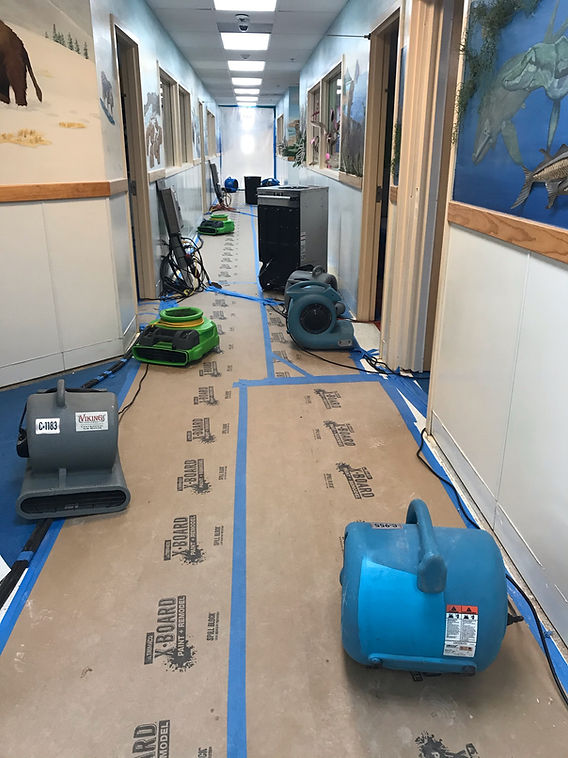
Air movers and dehumidifiers remove moisture from surrounding materials.
4. Monitoring moisture levels
Drying continues until safe levels are reached.
5. Final inspection
Ensures that both the leak and its effects have been addressed.
This structured process helps prevent recurring problems.
Lessons Learned from Local Homes
Real situations from homes in Miami Shores reveal several consistent patterns.
Condensate line clogs are a leading cause of leaks
Routine maintenance often prevents these problems.
AC closets frequently show the first signs of moisture
Small leaks often begin in these areas.
Humidity prolongs drying times
Coastal conditions often require longer drying periods.
Early repairs reduce restoration costs
Homes inspected promptly typically required less extensive work.
These observations highlight the importance of regular maintenance.
Practical Steps to Prevent Future AC Moisture Problems
Property owners can reduce the likelihood of moisture issues by following routine maintenance practices.
Helpful steps include:
- Cleaning condensate drain lines periodically
- Replacing air filters regularly
- Inspecting AC closets and surrounding areas
- Monitoring indoor humidity levels
- Scheduling routine HVAC inspections
Preventive maintenance often identifies problems before they become serious.
Why Local Experience Matters
AC moisture repair in coastal South Florida requires understanding how humidity, storms, and building materials interact. Homes in Miami Shores and nearby communities experience environmental conditions that differ significantly from inland areas.
Professionals familiar with local conditions understand:
- How coastal humidity affects drying
- Where condensation commonly forms
- Which materials are most vulnerable
- How ventilation systems behave in humid climates
This knowledge helps ensure repairs are thorough and long-lasting.
A Practical Next Step for Property Owners
AC moisture problems often begin quietly but can lead to mold growth, structural damage, and persistent odors if ignored. If you notice damp areas, condensation, or musty smells near vents or air handlers, having the system inspected early can prevent larger repairs later.
Working with experienced restoration professionals such as Tip Top Water and Fire Damage Restoration helps ensure that moisture sources are corrected, affected materials are properly dried, and preventive steps are implemented. With regular maintenance and timely repairs, homeowners in Miami Shores can keep their homes dry, comfortable, and protected year-round.