
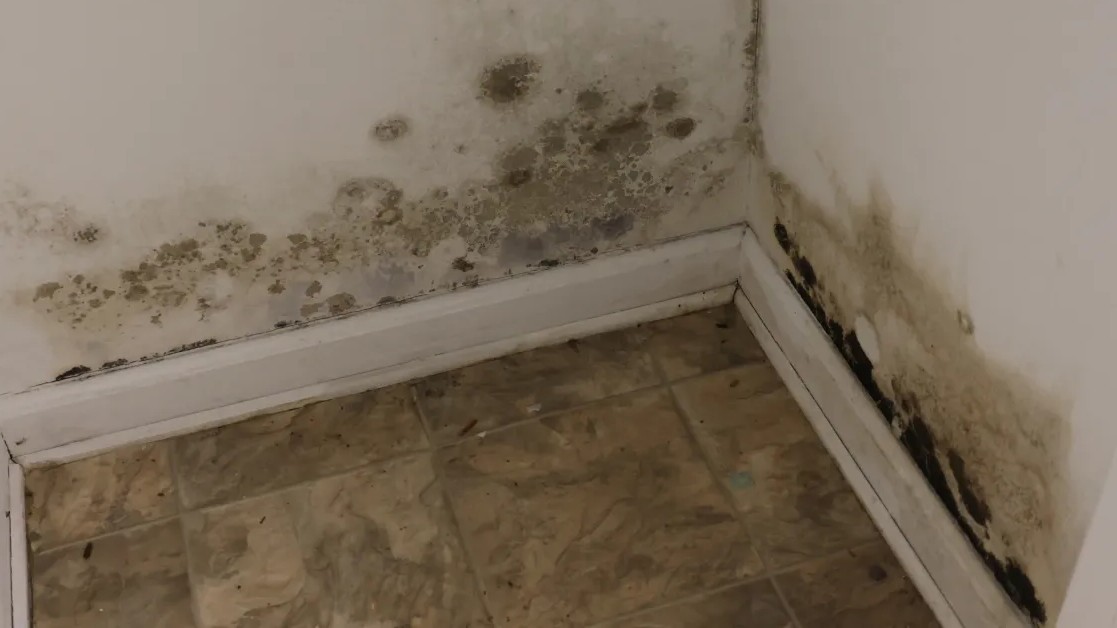
Mold Removal in North Miami Beach When Humidity Stays High for Weeks: What to Watch For
In North Miami Beach, high humidity isn’t unusual. What creates problems is when it doesn’t break.
During long stretches of heavy rain, tropical systems, or late-summer humidity spikes, indoor moisture levels can stay elevated for weeks. When that happens, mold growth becomes less about leaks and more about air conditions.
For homeowners, landlords, and property managers in North Miami Beach, Sunny Isles Beach, and nearby Surfside, understanding how prolonged humidity affects your property is critical.
Because when indoor humidity remains high, mold doesn’t need a visible water event to grow.
Why Extended Humidity Is a Serious Issue in Coastal Florida
In coastal neighborhoods near Biscayne Bay, ambient humidity regularly climbs above 70%. Air conditioning systems work hard to remove that moisture, but when:
- AC systems short-cycle
- Ductwork leaks humid attic air
- Dehumidification is insufficient
- Windows allow moisture intrusion
- Storm systems linger
indoor humidity can remain elevated for extended periods.
When indoor levels stay above 60% for days or weeks, building materials begin absorbing moisture from the air itself.
That’s when mold can form — even without standing water.
Common Warning Signs During Humid Weeks
When humidity remains high in North Miami Beach properties, early signs often appear subtly.
Watch for:
- Musty odors, especially in closets
- Condensation on windows or vents
- Damp-feeling air despite AC running
- Warping baseboards
- Slight darkening in ceiling corners
- Paint bubbling along exterior-facing walls
In ocean-adjacent condos near Bal Harbour and Sunny Isles Beach, salt-heavy air can increase indoor moisture loads even further.
If the air feels sticky inside despite cooling, humidity control may be failing.
Hidden Mold Growth Areas in High-Humidity Conditions
When prolonged humidity is the cause, mold often appears in places homeowners rarely inspect.
Closets on Exterior Walls
Limited airflow traps moisture.
Behind Furniture
Walls pressed against large furniture pieces restrict ventilation.
Attic Roof Decking
Hot attic air condenses when moisture accumulates.
Inside Duct Insulation
Condensation forms inside poorly insulated ducts.
Under Sink Cabinets
Humidity accumulates in tight spaces.
In North Miami Beach homes with slab foundations, moisture can also rise from below when humidity remains elevated.
Why AC Alone May Not Be Enough
Air conditioning systems are designed to cool air, not necessarily to fully control humidity.
In high-humidity weeks, common issues include:
Oversized Units
Cool the air too quickly without removing enough moisture.
Leaky Ductwork
Pulls humid attic air into the system.
Clogged Drain Lines
Reduce proper condensate removal.
Restricted Airflow
Causes coil freezing and moisture imbalance.
In rental properties, thermostat settings may also impact humidity levels if tenants frequently adjust temperatures.
When humidity remains high despite AC operation, additional moisture control strategies are necessary.
The Mold Removal Process During High-Humidity Conditions
When mold is confirmed, proper removal requires more than surface cleaning.
- Moisture Source Identification
Even when humidity is the primary factor, contributing issues like duct leaks or insulation breakdown must be identified.
- Humidity Stabilization
Before removal begins, indoor humidity must be reduced using dehumidifiers and airflow management.
- Containment
Affected areas are isolated to prevent spore spread.
- Removal of Contaminated Materials
Porous materials such as drywall or insulation may require removal if compromised.
- Cleaning and Treatment
Non-porous surfaces are cleaned using appropriate methods.
- Post-Remediation Moisture Verification
Humidity and material moisture levels must be confirmed stable.
In Florida, skipping humidity correction leads to recurrence — even after professional removal.
What Happens If Mold Is Ignored During Humid Periods
Ignoring mold growth during prolonged humidity can result in:
- Spread into wall cavities
- Insulation contamination
- Structural wood decay
- Persistent indoor odors
- Increased HVAC contamination
In high-rise buildings in Aventura and North Miami Beach, mold growth inside duct systems can circulate spores throughout multiple rooms.
Once humidity drops, mold may appear dormant — but spores remain.
Special Considerations for Coastal Properties
Properties near Biscayne Bay and along the beach face additional exposure.
Salt air carries moisture continuously. Wind-driven rain can elevate indoor humidity even when windows are closed.
Common coastal-related contributors include:
- Poor window seals
- Balcony door gaps
- Inadequate attic ventilation
- Corroded metal components affecting AC performance
In these environments, mold removal must be paired with structural moisture control improvements.
Long-Term Humidity Management Strategies
To prevent mold recurrence during future humid stretches:
Monitor Indoor Humidity
Keep levels ideally between 45–55%.
Service AC Systems Regularly
Ensure coils, drains, and airflow remain balanced.
Seal and Insulate Ductwork
Prevent attic air intrusion.
Improve Attic Ventilation
Reduce heat and moisture accumulation.
Use Standalone Dehumidifiers When Needed
Especially during extended storm cycles.
Inspect Exterior Seals Annually
Address window and door gaps.
Check After Major Storm Systems
Even if no flooding occurred.
In North Miami Beach, humidity control isn’t seasonal — it’s ongoing.
Why Local Experience Matters
Mold behavior in high-humidity coastal cities differs from inland climates.
Understanding:
- How prolonged humidity affects drywall and insulation
- How slab foundations interact with moist air
- How attic heat intensifies condensation
- How salt exposure accelerates AC component failure
is essential for effective mold removal and prevention.
Tip Top Water and Fire Damage Restoration has handled cases in North Miami Beach where mold developed during extended rainy periods without a single plumbing leak. Addressing duct insulation and airflow imbalance resolved the underlying cause.
A Practical Approach During Humid Weeks
When humidity stays high for weeks, vigilance matters.
Pay attention to:
- Changes in indoor air feel
- Subtle odor shifts
- Ceiling corner discoloration
- Closet dampness
- AC performance changes
Mold removal is most effective when paired with moisture correction, not just cleaning.
In North Miami Beach’s coastal environment, humidity management is a structural responsibility.
Handled proactively, mold growth during humid periods can be controlled and prevented from spreading.
Ignored, it becomes a recurring seasonal problem that grows deeper into walls and insulation each time the humidity rises again.
In a city where moisture is part of daily life, prevention is always easier than remediation.