
Long-Term Protection Tips Related to Moisture Detection in Biscayne Park
In Biscayne Park, moisture isn’t always dramatic. It doesn’t always arrive as visible flooding or a burst pipe. More often, it shows up quietly — trapped behind drywall, rising slowly from slab foundations, or collecting inside attic spaces during long humid stretches.
Because Biscayne Park sits near Biscayne Bay and experiences year-round humidity, moisture detection isn’t just a response tool. It’s a long-term protection strategy.
For homeowners, landlords, and property managers in Biscayne Park and nearby North Miami and Miami Shores, understanding how to monitor and prevent hidden moisture issues can protect structural integrity and prevent mold before it starts.
Why Moisture Detection Matters in Biscayne Park
South Florida homes are constantly exposed to:
- High ambient humidity
- Frequent heavy rains
- Wind-driven storms
- Slab foundation construction
- Continuous AC operation
- Aging plumbing systems in older homes
Many Biscayne Park properties were built decades ago, often with limited vapor barriers or older plumbing materials. Over time, small leaks and environmental humidity can accumulate inside building materials.
Moisture detection allows problems to be identified before they turn into structural damage or mold growth.
Common Moisture Sources in Local Homes
Moisture in Biscayne Park homes often originates from:
AC condensation issues
Plumbing leaks under slab foundations
Roof leaks during storm season
Poor attic ventilation
Leaky window seals
Duct condensation in hot attics
Even homes without visible water damage can develop elevated moisture levels due to prolonged humidity exposure.
In neighborhoods closer to North Miami Beach and Bal Harbour, coastal air increases indoor moisture load even further.
Early Warning Signs to Watch For
Moisture problems often begin subtly.
Homeowners should monitor for:
- Musty smells in closets
- Paint bubbling near baseboards
- Slight floor warping
- Ceiling corner discoloration
- Condensation forming on vents
- Unexplained humidity indoors
In Biscayne Park’s tree-lined residential areas, shaded roofs can also trap moisture longer after storms, increasing attic humidity.
How Professional Moisture Detection Works
Professional moisture detection goes beyond surface inspection.
Common tools include:
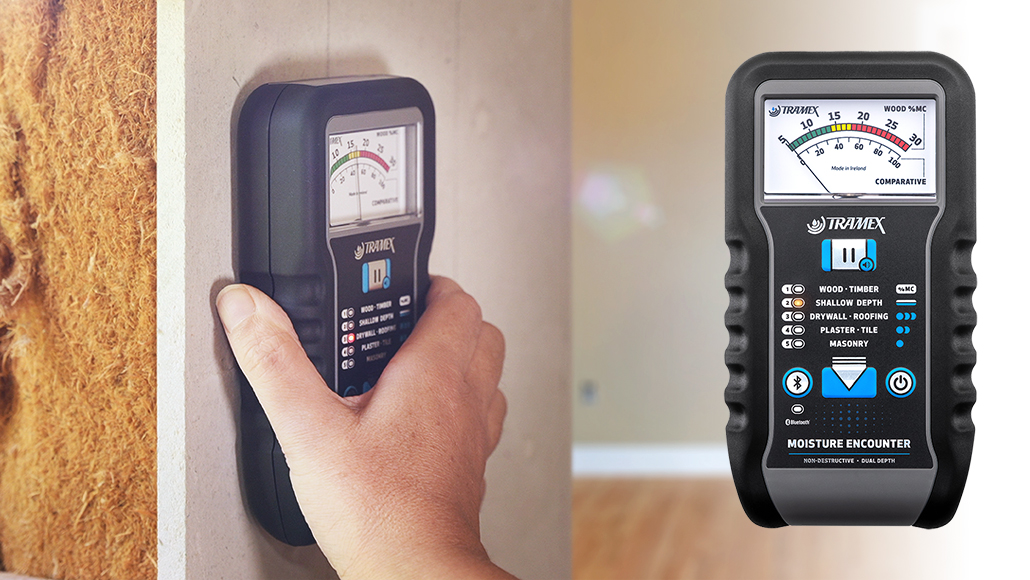
Moisture Meters
Measure moisture levels inside drywall, wood, and flooring.
Thermal Imaging Cameras
Identify temperature differences that suggest hidden water.
Hygrometers
Measure indoor humidity levels.
Infrared Scanning
Detect moisture patterns behind walls without destructive opening.
Pressure Testing
Identify plumbing leaks under slab foundations.
In older Biscayne Park homes, slab leaks can remain hidden for weeks before visible symptoms appear.
Long-Term Protection Strategies
Moisture detection is most effective when combined with consistent preventive measures.
Schedule Annual Moisture Inspections
Especially before and after hurricane season. Routine scanning identifies minor issues early.
Monitor Indoor Humidity
Indoor humidity should ideally remain between 45% and 55%. If levels consistently exceed this range, system adjustments may be needed.
Maintain AC Systems Regularly
AC units in Biscayne Park run nearly year-round. Clogged drain lines or airflow imbalances increase condensation risk.
Inspect Attic Ventilation
Poor attic airflow traps heat and moisture, leading to roof decking condensation.
Seal Windows and Exterior Penetrations
Wind-driven rain can enter through minor gaps.
Upgrade Plumbing Components
Older supply lines and shutoff valves are common leak sources in Miami Shores and North Miami properties.
Install Leak Detection Sensors
Smart sensors under sinks, near water heaters, and in AC closets provide early alerts.
The Role of Structural Drying
If elevated moisture is detected, drying must occur before cosmetic repairs.
In Florida’s climate, passive drying is rarely sufficient.
Professional structural drying uses:
- Industrial air movers
- Dehumidifiers
- Moisture monitoring equipment
Skipping proper drying leads to:
- Mold growth
- Wood rot
- Subfloor damage
- Insulation deterioration
In Biscayne Park’s humid environment, time magnifies damage.
Mold Prevention Through Early Detection
Mold thrives when moisture remains present for 24–48 hours.
Early detection prevents:
- Wall cavity mold
- Attic insulation contamination
- Musty HVAC circulation
- Tenant complaints in rental properties
Many mold cases in North Miami Beach and Aventura originate from undetected moisture weeks earlier.
Air Duct Considerations
Duct systems in Biscayne Park homes often run through hot attic spaces.
If insulation degrades, condensation forms on duct exteriors, dripping onto ceilings.
Routine moisture detection should include:
- Checking around supply vents
- Inspecting attic duct insulation
- Measuring humidity inside return air systems
AC-related moisture is one of the most common hidden issues in South Florida homes.
Storm Season Preparedness
Before hurricane season:
- Inspect roof flashing
- Check attic insulation
- Verify drainage around the foundation
- Test sump pumps (if present)
- Inspect AC drain lines
After major storms, moisture detection scans can confirm that hidden water intrusion did not occur.
Why Local Experience Matters
Moisture behaves differently in Biscayne Park than in dry inland cities.
Factors such as:
- Slab-on-grade construction
- Coastal humidity
- Salt air corrosion
- Year-round AC operation
- Dense landscaping trapping moisture
create unique conditions.
Tip Top Water and Fire Damage Restoration has worked in Biscayne Park homes where minor moisture readings led to early intervention — preventing larger mold remediation projects months later.
Understanding local building styles and environmental patterns improves detection accuracy.
Rental Property Considerations
Landlords in Biscayne Park and North Miami should be especially proactive.
Tenants may not recognize early moisture signs.
Routine inspections help prevent:
- Lease disputes
- Mold complaints
- Structural damage
- Recurring repair costs
Documentation of moisture readings also provides transparency when needed.
A Practical, Preventive Approach
Moisture detection isn’t about waiting for visible damage. It’s about identifying risk before it becomes structural.
In Biscayne Park, long-term protection means:
- Monitoring humidity
- Inspecting AC systems
- Checking attic conditions
- Evaluating plumbing regularly
- Addressing small leaks immediately
Moisture will always be part of life in coastal South Florida. The key is managing it proactively.
With consistent detection and preventive maintenance, Biscayne Park homeowners can reduce the risk of mold, structural deterioration, and recurring repair costs.
In a climate where humidity never truly disappears, vigilance is not optional — it’s responsible property care.