
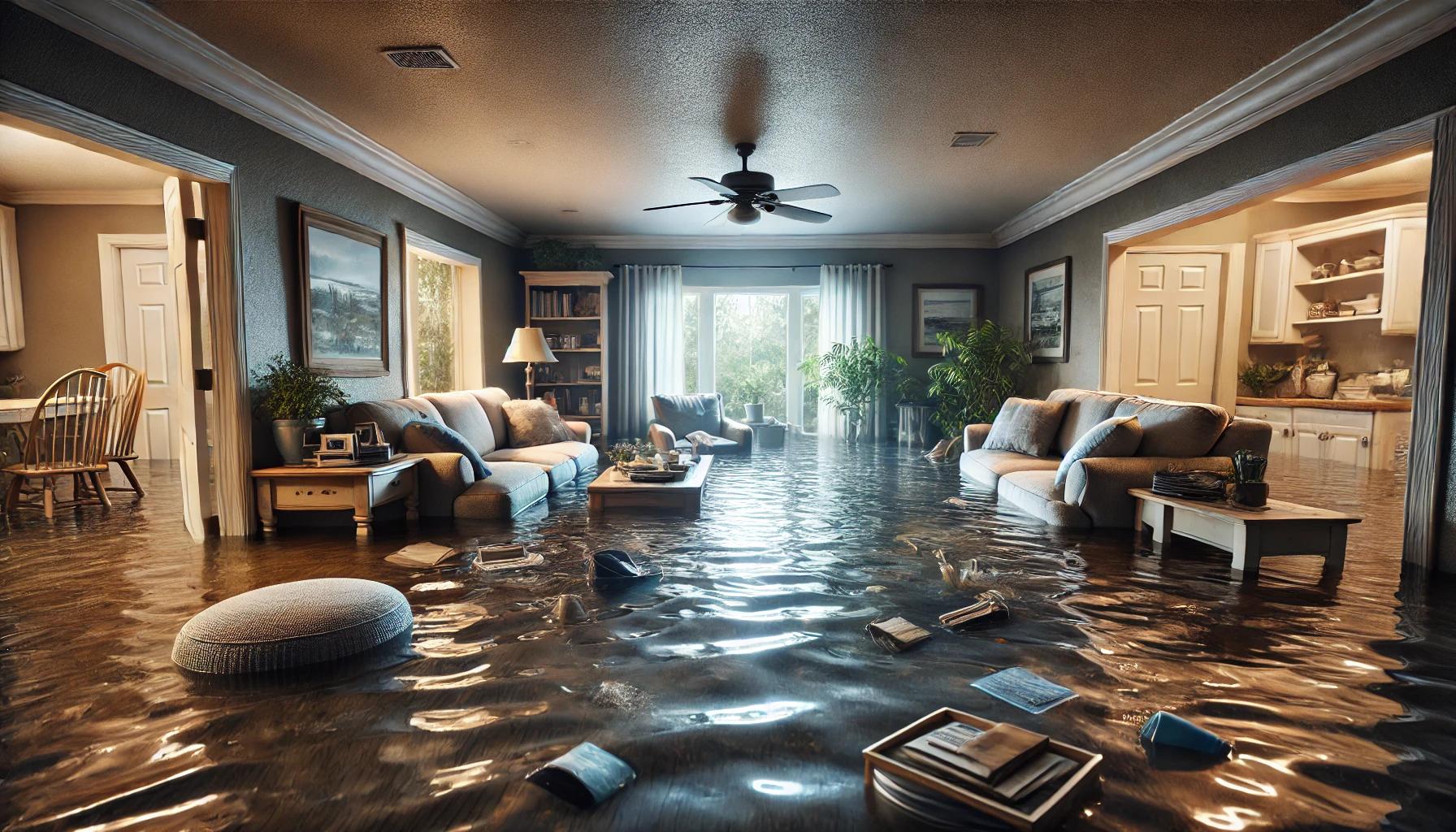
Indoor Air Quality Improvement in Miami Shores Following Indoor Flooding: What to Watch For
Indoor flooding in Miami Shores rarely ends when the water is removed.
Whether the source was a heavy summer storm, a plumbing failure, a slab leak, or hurricane-related intrusion, the visible water is only the first phase. The second phase — and often the longer one — involves indoor air quality.
In South Florida’s humidity, floodwater doesn’t just damage materials. It changes the air inside the home.
For homeowners and property managers in Miami Shores, North Miami, and nearby Biscayne Park, improving indoor air quality after flooding is just as important as repairing floors and drywall.
Here’s what to watch for.
Why Indoor Air Quality Suffers After Flooding
Flooding introduces moisture into:
- Drywall
- Insulation
- Subfloors
- Framing
- HVAC systems
- Ductwork
Even after visible water is extracted, moisture lingers inside porous materials. In Miami Shores, where humidity remains high year-round, that trapped moisture becomes a breeding ground for microbial growth and airborne particles.
As materials begin to break down, they release:
- Musty odors
- Microscopic spores
- Dust from deteriorating drywall
- Contaminants from insulation
- Airborne debris from damaged flooring
Without proper drying and filtration, those particles circulate through the home.
Early Warning Signs of Air Quality Issues
After flooding, many homeowners notice subtle changes in the air.
Watch for:
- Persistent musty smells
- Increased indoor humidity
- Allergy-like irritation
- Headaches or throat irritation indoors
- AC running longer than usual
- Fine dust settling quickly on surfaces
In Miami Shores homes near Biscayne Bay, salt-heavy air can combine with moisture and increase corrosion inside HVAC systems, affecting airflow and filtration.
If the air feels damp even after repairs, indoor humidity may still be elevated.
Hidden Contamination After Flooding
Floodwater doesn’t need to be deep to impact air quality.
Even minor flooding can introduce moisture into:
Wall cavities
Insulation behind drywall retains moisture long after surfaces appear dry.
Attic spaces
Moisture rises and settles in roof decking.
Duct systems
Air handlers pull humid air and particles into the system.
Subfloors
Concrete slabs hold moisture that slowly evaporates into the air.
In multi-level Miami Shores homes, water from upper floors may migrate downward through framing and ceiling cavities, affecting rooms that never saw standing water.
The Role of Proper Structural Drying
Air quality improvement begins with thorough drying.
In South Florida’s climate, passive drying is not enough. Professional structural drying typically involves:
- Industrial air movers
- Commercial dehumidifiers
- Daily moisture monitoring
- Removal of saturated insulation
- Verification of safe moisture levels
If materials remain damp, they release humidity back into the air continuously.
Without proper drying, indoor air quality cannot stabilize.
Mold Risk and Airborne Spores
Mold can begin developing within 24–48 hours in Florida conditions.
Once growth starts, spores become airborne and circulate through:
- Supply vents
- Return air systems
- Open floor plans
- Stairwells
- Closet spaces
In Miami Shores homes with central AC systems running year-round, contaminated air can spread quickly throughout the structure.
Mold removal must include both source removal and humidity stabilization to improve air quality effectively.
HVAC Systems After Flooding
One of the most overlooked components after indoor flooding is the HVAC system.
Flood-related moisture can affect:
- Evaporator coils
- Blower motors
- Duct insulation
- Return plenums
If ductwork was exposed to humid air during the flood event, contaminants may remain inside.
Symptoms of HVAC-related air quality issues include:
- Odor intensifying when AC turns on
- Reduced airflow
- Persistent humidity
- Increased dust
In some Miami Shores properties, duct cleaning and inspection are necessary after flooding to prevent recirculation of contaminants.
Air Scrubbing and Filtration
Improving indoor air quality often requires active filtration.
Professional air scrubbers use high-efficiency filters to remove:
- Airborne spores
- Fine debris
- Odor particles
- Dust from damaged materials
These systems run during and after drying to help stabilize indoor air conditions.
In homes near North Miami Beach and Surfside, where humidity remains elevated, extended filtration may be necessary.
Odor Control After Flooding
Musty odor is one of the most common complaints after flood repair.
Odors persist when:
- Insulation remains damp
- Subfloors were not fully dried
- Ductwork holds moisture
- Humidity remains high
Painting or using air fresheners does not eliminate the source.
Proper odor neutralization requires addressing the underlying moisture and contaminated materials.
Long-Term Humidity Control in Miami Shores
After flooding, long-term humidity management is essential.
Recommended strategies include:
Monitoring indoor humidity levels
Maintaining AC systems regularly
Using dehumidifiers during humid months
Inspecting attic ventilation
Sealing exterior gaps
Checking for slab moisture intrusion
In Miami Shores’ tree-lined neighborhoods, shaded areas may retain ground moisture longer after storms, increasing humidity around foundations.
Rental Property Considerations
For landlords in Miami Shores and North Miami, indoor air quality concerns can lead to tenant complaints quickly.
After flooding:
- Document moisture readings
- Confirm full structural drying
- Inspect HVAC systems
- Provide transparency about air quality improvements
Proactive measures reduce disputes and protect property value.
Why Local Experience Matters
Flood recovery in Miami Shores differs from inland regions.
Humidity remains high long after storms pass. Slab construction allows moisture to migrate slowly upward. Coastal air accelerates corrosion inside HVAC systems.
Understanding how:
- South Florida humidity affects drying timelines
- Attic heat interacts with flood moisture
- Continuous AC cycling spreads particles
- Slab foundations retain water
allows for more effective air quality restoration.
Tip Top Water and Fire Damage Restoration has worked in Miami Shores properties where air quality complaints persisted until hidden duct contamination and subfloor moisture were addressed.
Surface repairs alone did not resolve the issue.
A Practical Approach After Indoor Flooding
Improving indoor air quality after flooding is not a cosmetic step. It’s a structural and environmental correction process.
Focus on:
- Complete moisture removal
- HVAC inspection
- Air filtration
- Humidity monitoring
- Mold prevention
In Miami Shores, where humidity is constant and storm activity is seasonal, indoor air quality must be actively managed after any flooding event.
Handled thoroughly, homes can return to clean, stable air conditions. Ignored or rushed, moisture lingers — and the air inside reflects it.
In coastal South Florida, the water may recede quickly. The air takes longer to recover.