
Preventing Future Problems: Mold Remediation in Surfside
In Surfside, mold isn’t unusual. What makes it serious is how quietly it develops — and how quickly it returns if the root cause isn’t corrected.
Between ocean humidity, salt-heavy air, year-round AC use, and storm season moisture, properties in Surfside operate in one of the most mold-friendly climates in the country. That doesn’t mean mold is unavoidable. It means remediation must be done correctly the first time.
For homeowners, landlords, and condo owners near Collins Avenue, Bal Harbour, and North Miami Beach, preventing future mold problems starts with understanding why it formed in the first place.
Why Mold Is So Common in Surfside
Surfside properties face constant environmental exposure:
- High year-round humidity
- Wind-driven rain from coastal storms
- Salt air corrosion
- Continuous AC operation
- Hot attic spaces
- Slab-on-grade construction
Unlike inland cities, moisture here doesn’t disappear quickly. Even when there’s no visible leak, indoor humidity can remain elevated for extended periods.
When humidity stays above 60% for days at a time, building materials begin absorbing moisture directly from the air. That’s when mold forms without a burst pipe or major flood.
Common Mold Triggers in Coastal Properties
Based on real inspections in Surfside homes and condos, frequent mold triggers include:
AC condensation issues
Duct sweating in attic spaces
Clogged condensate drain lines
Leaky window seals during storms
Roof flashing failures
Slab moisture migration
Poor ventilation in closets and bathrooms
In high-rise condos, shared ventilation shafts can also spread moisture between units.
Often, mold isn’t caused by a dramatic water event. It’s the result of slow, repeated moisture exposure.
Early Warning Signs That Shouldn’t Be Ignored
Mold rarely announces itself loudly at first.
Watch for:
- Musty smells when AC runs
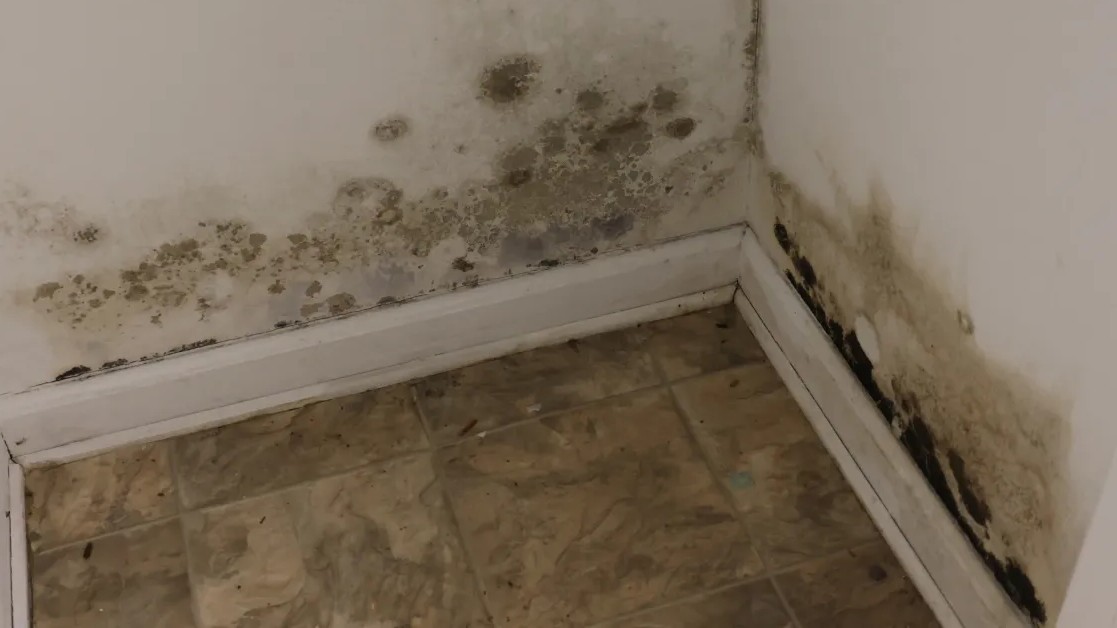
- Darkening in ceiling corners
- Paint bubbling along exterior walls
- Warping baseboards
- Damp closets
- Condensation on vents
In oceanfront units near Sunny Isles Beach, salt air combined with indoor humidity can accelerate insulation breakdown inside walls.
Small signs often point to larger hidden issues.
Why Surface Cleaning Doesn’t Prevent Recurrence
Homeowners sometimes attempt to wipe visible mold or repaint affected areas. This rarely prevents return.
Mold grows into porous materials such as:
- Drywall
- Insulation
- Wood framing
- Carpet padding
- Ceiling texture
If moisture remains, mold returns — even after cleaning.
In Surfside’s humid climate, treating visible spots without stabilizing humidity only delays recurrence.
The Proper Mold Remediation Process
Preventing future problems requires a structured approach.
- Moisture Source Identification
Before removal begins, the underlying cause must be located. This may involve inspecting AC systems, ducts, attic ventilation, and exterior seals.
- Humidity Stabilization
Indoor humidity must be reduced to safe levels before remediation.
- Containment
Affected areas are sealed off to prevent spore spread during removal.
- Removal of Contaminated Materials
Porous materials that cannot be cleaned are removed safely.
- Cleaning and Filtration
Non-porous surfaces are cleaned using appropriate methods, and air scrubbers remove airborne particles.
- Post-Remediation Moisture Verification
Humidity and material moisture levels are checked to ensure stability.
Skipping moisture correction is the most common reason mold returns.
AC Systems and Mold in Surfside
Air conditioning systems are often directly involved in mold issues.
Common AC-related contributors include:
Oversized systems that don’t remove enough humidity
Leaky ductwork pulling humid attic air
Poor duct insulation causing condensation
Clogged drain lines leading to overflow
Rusting drain pans from salt air exposure
Attic duct systems in single-family homes are especially vulnerable. Hot attic air surrounding cold ducts creates condensation when insulation is inadequate.
Regular AC inspection is critical for long-term prevention.
Attic and Roof Ventilation
Surfside attics can reach extreme temperatures. When ventilation is poor, humid air accumulates and condenses on roof decking.
Over time, this leads to:
- Mold growth on wood framing
- Insulation contamination
- Musty odors spreading into living space
Improving attic ventilation reduces condensation risk significantly.
Slab and Ground Moisture Concerns
Many Surfside homes sit on concrete slabs. During extended humid periods or after storms, moisture can migrate upward through porous concrete.
Signs include:
- Flooring warping
- Damp baseboards
- Musty smells near exterior walls
Moisture detection tools help identify slab-related humidity before mold develops.
Long-Term Prevention Strategies
To reduce the risk of recurring mold in Surfside properties:
Monitor Indoor Humidity
Maintain levels ideally between 45–55%.
Service AC Systems Twice Per Year
Coil cleaning and airflow balancing are essential.
Seal and Insulate Ductwork
Prevent attic air infiltration.
Flush Drain Lines Regularly
Reduce overflow risk.
Inspect Windows and Balcony Doors
Wind-driven rain can introduce hidden moisture.
Improve Bathroom and Kitchen Ventilation
Exhaust fans should vent properly to the exterior.
Inspect Attics Annually
Look for condensation or insulation damage.
Install Smart Leak Sensors
Early detection prevents extended moisture exposure.
Why Local Coastal Experience Matters
Mold remediation in Surfside differs from inland restoration.
Salt air corrosion, slab construction, high-rise ventilation layouts, and continuous AC operation create specific moisture patterns.
Understanding how:
- Coastal humidity interacts with building materials
- Salt accelerates component deterioration
- Attic heat intensifies condensation
- Shared ventilation spreads moisture
makes prevention more effective.
Tip Top Water and Fire Damage Restoration has worked in Surfside properties where recurring mold issues were resolved only after duct insulation and humidity control were corrected — not just surface cleaning.
A Practical Approach to Preventing Future Mold Problems
Mold remediation should not end with removal. It should end with stability.
Focus on:
- Identifying moisture sources
- Stabilizing indoor humidity
- Improving ventilation
- Maintaining AC systems
- Monitoring conditions year-round
In Surfside, mold prevention isn’t seasonal. It’s ongoing property management.
Handled thoroughly, mold can be eliminated and kept from returning. Handled superficially, it becomes a recurring coastal problem tied to humidity cycles.
In a city where moisture is part of everyday life, prevention is not optional — it’s protection.