
Property Maintenance Insights: Moisture Detection in North Miami
In North Miami, moisture isn’t just a seasonal concern — it’s a year-round maintenance reality. Between heavy summer storms, coastal humidity drifting in from Biscayne Bay, aging plumbing systems, and nonstop AC operation, moisture can enter a property in more ways than most owners expect.
The problem is that moisture rarely announces itself clearly. It doesn’t always show up as standing water. More often, it builds quietly behind drywall, under flooring, or inside attic insulation.
That’s why moisture detection is one of the most overlooked — and most valuable — parts of property maintenance in North Miami.
Why Moisture Detection Matters in North Miami
South Florida homes operate in a high-humidity environment. Even when there’s no visible leak, indoor air can hold enough moisture to slowly affect building materials.
In North Miami and nearby Miami Shores and Biscayne Park, properties often experience:
- Slab-on-grade construction
- Older copper or PVC plumbing
- Attic duct systems exposed to extreme heat
- Frequent wind-driven rain
- Salt-heavy coastal air
- Continuous air conditioning use
All of these factors increase the likelihood of hidden moisture.
Moisture detection isn’t just about finding leaks. It’s about identifying conditions that allow mold, wood rot, and structural deterioration to develop over time.
Common Sources of Hidden Moisture
From routine inspections across North Miami properties, the most frequent moisture sources include:
AC condensate drain overflows
Duct condensation in attic spaces
Roof flashing failures after storms
Window seal gaps
Slab moisture migration
Under-sink plumbing leaks
Refrigerator and washing machine supply line drips
In older homes, small plumbing leaks beneath slab foundations may go unnoticed for weeks before visible signs appear.
In coastal neighborhoods near North Miami Beach, salt air accelerates corrosion in metal components, increasing leak risk.
Early Warning Signs Property Owners Often Miss
Moisture problems often begin subtly.
Watch for:
- Slight musty odors
- Paint bubbling along baseboards
- Minor ceiling discoloration
- Warped flooring edges
- Damp feeling in closets
- Condensation forming on vents
In many North Miami homes, these signs are dismissed as cosmetic or seasonal humidity — until they worsen.
Moisture detection tools help confirm whether these symptoms are surface-level or structural.
How Professional Moisture Detection Works
Professional moisture detection goes beyond visual inspection.
Common tools include:
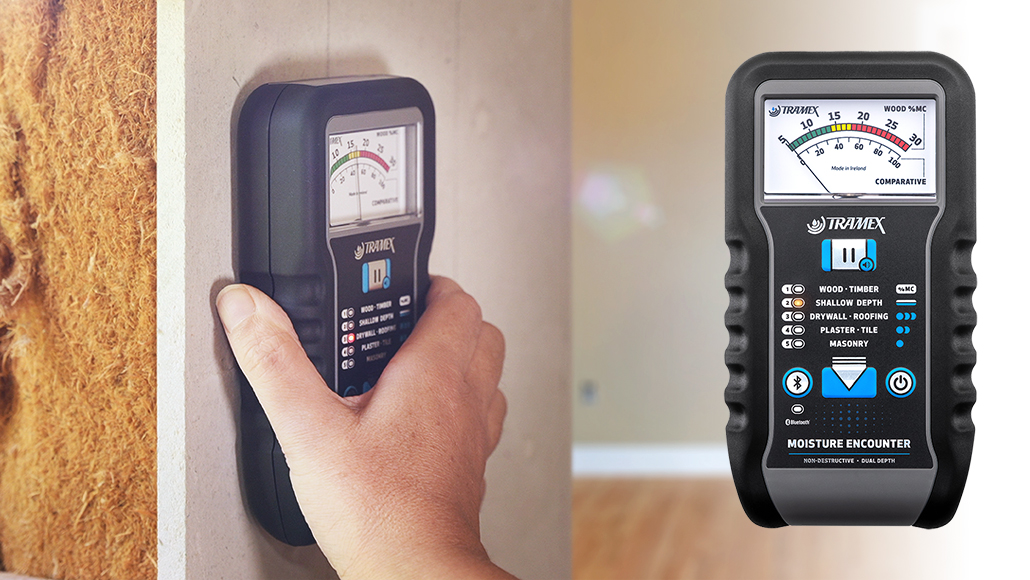
Moisture Meters
Measure the moisture content inside drywall, wood, and flooring.
Thermal Imaging Cameras
Identify temperature differences that suggest hidden moisture behind walls.
Hygrometers
Measure indoor humidity levels.
Infrared Scanning
Detect patterns of moisture spread without destructive removal.
Pressure Testing
Used to detect slab plumbing leaks.
In North Miami homes with attic duct systems, inspection often includes checking insulation and duct connections for condensation.
Why Attics Are a Common Problem Area
Attics in North Miami experience extreme heat.
When humid air meets cooler roof decking or cold AC ducts, condensation forms. Over time, this leads to:
- Damp insulation
- Mold growth
- Ceiling staining
- Wood framing deterioration
Poor attic ventilation amplifies the problem.
Routine moisture detection should always include attic evaluation.
The Role of AC Systems in Moisture Issues
Air conditioning systems remove humidity, but they can also create moisture problems if not maintained.
Common AC-related moisture issues include:
Clogged drain lines
Rusted drain pans
Improperly insulated refrigerant lines
Leaky duct connections
Oversized units short-cycling
In North Miami’s humid climate, even small AC issues can create ongoing moisture exposure.
Regular AC inspection is a key preventive strategy.
Why Slab Construction Requires Attention
Many North Miami homes are built on concrete slabs.
After heavy rains, moisture can migrate upward through porous concrete.
Signs include:
- Tile loosening
- Warped engineered wood
- Musty odors near exterior walls
Moisture detection tools help identify slab-related issues before flooring damage becomes extensive.
Storm Season and Moisture Intrusion
North Miami’s hurricane season increases moisture risk.
Wind-driven rain can penetrate:
- Roof flashing
- Window frames
- Exterior wall seams
- Balcony doors
After major storms, moisture detection scans can identify hidden intrusion before mold develops.
Long-Term Moisture Management Strategies
Property owners can reduce risk by:
Maintaining indoor humidity between 45–55%
Scheduling AC service twice per year
Flushing condensate drain lines regularly
Inspecting attic ventilation annually
Sealing exterior penetrations
Replacing aging plumbing components
Installing leak detection sensors
In rental properties, routine inspections protect both structure and tenant satisfaction.
The Cost of Ignoring Moisture
Ignoring small moisture problems can lead to:
- Mold remediation
- Insulation replacement
- Ceiling and drywall repair
- Flooring replacement
- Structural wood rot
- HVAC contamination
In North Miami’s humid environment, time magnifies damage.
Early detection often limits repair scope significantly.
Why Local Experience Matters
Moisture behaves differently in North Miami than in dry inland cities.
Understanding how:
- Coastal humidity affects drying timelines
- Salt air accelerates corrosion
- Slab construction retains moisture
- Attic heat intensifies condensation
allows for more accurate detection and prevention.
Tip Top Water and Fire Damage Restoration has inspected North Miami properties where early moisture readings led to minor repairs — preventing larger mold remediation projects later.
Local environmental awareness makes a measurable difference.
A Practical Property Maintenance Mindset
Moisture detection should not be reactive. It should be routine.
In North Miami, proactive property maintenance means:
- Monitoring humidity
- Inspecting AC systems
- Checking attic spaces
- Evaluating plumbing regularly
- Addressing small leaks immediately
Moisture will always be present in coastal South Florida. The key is managing it before it spreads.
Handled proactively, moisture detection protects structural integrity, indoor air quality, and long-term property value.
In North Miami’s climate, staying ahead of moisture isn’t optional — it’s smart property ownership.