
How Coastal Weather Influences Black Mold Removal in Surfside
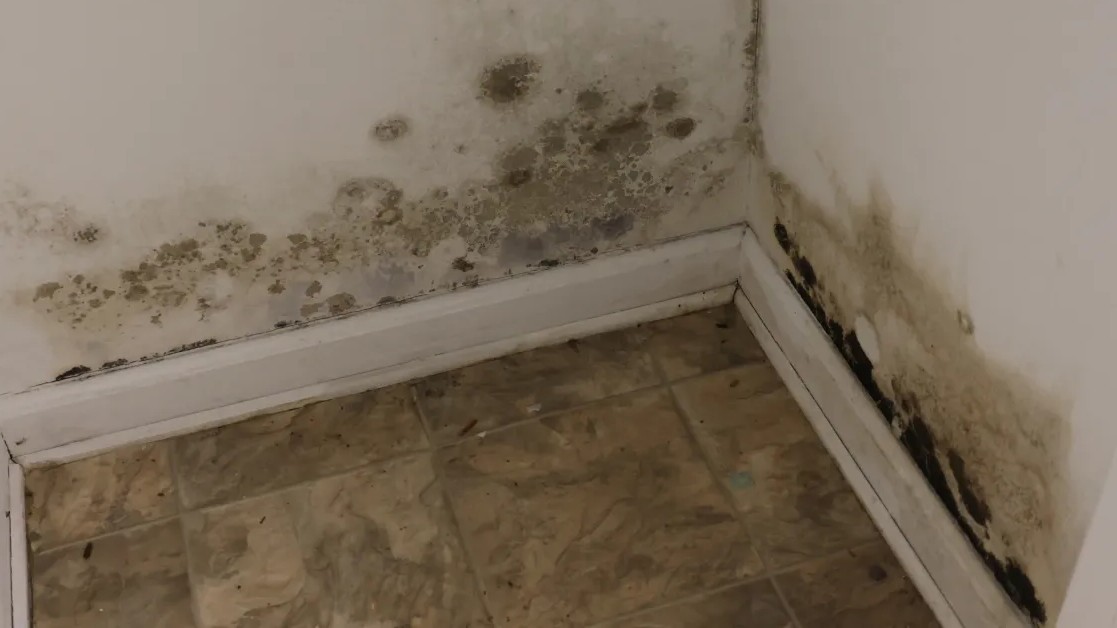
In Surfside, black mold removal is never just about the affected wall or ceiling. It’s about the air, the humidity, the salt exposure, and the way coastal weather interacts with building materials every single day.
Living steps from the Atlantic and close to Biscayne Bay means moisture is constant. Even on clear, sunny days, humidity levels remain elevated. During storm season, that moisture intensifies. And when black mold develops in this environment, removal requires more than standard procedures.
Coastal weather doesn’t just contribute to mold growth — it directly affects how mold must be removed and prevented from returning.
Here’s how.
Humidity Changes Everything
Surfside experiences consistently high humidity levels throughout most of the year. When indoor humidity rises above 60% for extended periods, materials like drywall, wood framing, and insulation absorb moisture from the air itself.
That means black mold can develop without:
- A burst pipe
- Visible flooding
- Major roof leaks
In coastal properties near Bal Harbour and Sunny Isles Beach, we often see mold growth caused by prolonged humidity combined with minor AC imbalances.
When humidity remains high during remediation, mold removal becomes more complex. Air must be stabilized before contaminated materials are safely removed.
Without humidity control, spores can reactivate even during cleanup.
Salt Air Accelerates Deterioration
Surfside’s salt-heavy air affects more than just exterior metal.
Salt exposure accelerates corrosion in:
- AC drain pans
- Metal duct components
- Fasteners
- Window frames
Corrosion leads to small leaks and condensation issues that feed mold growth.
During black mold removal, identifying corroded components is critical. If salt-driven deterioration isn’t addressed, moisture returns — and so does mold.
Attic Heat and Coastal Condensation
Many Surfside homes and condos experience extreme attic temperatures.
When humid air meets cooler roof decking or cold AC ducts, condensation forms. This is especially common in single-family homes and top-floor condo units.
Over time, condensation creates ideal conditions for black mold on:
- Roof decking
- Duct insulation
- Framing members
During removal, attic ventilation must be evaluated. Simply removing mold without correcting ventilation leaves the structure vulnerable.
Storm Season Complicates Mold Removal
Surfside’s hurricane season brings heavy rains, wind-driven moisture, and prolonged damp conditions.
If black mold is discovered during or shortly after storm season, removal must account for:
- Elevated ambient humidity
- Slower drying times
- Potential hidden roof intrusion
- Moisture inside wall cavities
Structural drying takes longer in coastal humidity. Materials do not dry passively in this environment.
Air movement and dehumidification are essential before rebuilding begins.
AC Systems and Coastal Mold Spread
In Surfside, AC systems operate nearly year-round.
When black mold develops near an air handler or inside duct insulation, spores can circulate throughout the unit.
Coastal humidity intensifies condensation inside ducts if insulation is insufficient.
During remediation, HVAC systems must be evaluated for:
- Drain line clogs
- Rusted pans
- Insulation breakdown
- Duct leaks pulling humid attic air
Failure to address HVAC involvement often leads to recurring odor and spore distribution.
Wind Patterns and Airflow
Coastal winds influence how moisture enters a property.
Wind-driven rain can penetrate:
- Balcony doors
- Window seals
- Exterior wall seams
Even minor gaps allow repeated moisture intrusion.
In Surfside condos, cross-breezes can also distribute humid air unevenly, leading to localized mold growth in closets or behind built-ins.
During removal, identifying airflow patterns helps prevent future recurrence.
High-Rise Building Challenges
Many Surfside properties are high-rise buildings.
These structures present unique moisture dynamics:
- Shared plumbing stacks
- Shared ventilation systems
- Concrete slab construction
- Limited attic access
Moisture may originate from neighboring units and travel through structural cavities.
Black mold removal in these settings often requires coordination with building management.
Without addressing shared infrastructure, remediation may be incomplete.
Why Timing Is Critical in Coastal Conditions
In dry climates, mold may grow more slowly. In Surfside, growth can begin within 24–48 hours when moisture is present.
Coastal humidity accelerates:
- Spore activation
- Material deterioration
- Odor embedding
- Insulation contamination
The longer mold remains untreated, the deeper it penetrates porous materials.
Early removal limits containment size and structural replacement.
The Proper Coastal Mold Removal Approach
Black mold removal in Surfside should include:
Moisture source identification
Humidity stabilization before removal
Containment to prevent spore spread
Air filtration with negative air machines
Removal of contaminated porous materials
Cleaning of structural framing
HVAC evaluation
Post-remediation moisture verification
Skipping moisture correction in a coastal environment almost guarantees recurrence.
Long-Term Prevention in Surfside
After black mold removal, prevention strategies must reflect coastal realities.
Maintain indoor humidity between 45–55%
Schedule AC servicing twice per year
Flush condensate drain lines regularly
Upgrade duct insulation
Improve attic ventilation
Seal balcony doors and windows
Inspect after major storms
Install leak detection sensors
Routine monitoring is not optional in ocean-adjacent neighborhoods.
Why Local Experience Matters
Black mold removal in Surfside differs from inland cities because:
- Salt air accelerates component failure
- Humidity remains high year-round
- Attic heat intensifies condensation
- Storm cycles introduce repeated moisture
- Continuous AC operation spreads contaminants
Understanding how these environmental factors interact ensures more thorough and lasting remediation.
Tip Top Water and Fire Damage Restoration has worked in Surfside properties where mold returned after incomplete ventilation correction. Once attic airflow and humidity were stabilized, recurrence stopped.
Coastal conditions require coastal solutions.
A Practical Takeaway for Property Owners
In Surfside, black mold removal is not just about cleaning visible growth. It’s about understanding how coastal weather contributes to moisture cycles.
Humidity, salt air, storm patterns, and continuous AC use all influence how mold develops — and how it must be removed.
Quick action limits spread. Thorough moisture correction prevents recurrence.
In a coastal community where moisture is constant, successful mold removal depends on more than surface treatment. It depends on managing the environment that allowed it to grow in the first place.