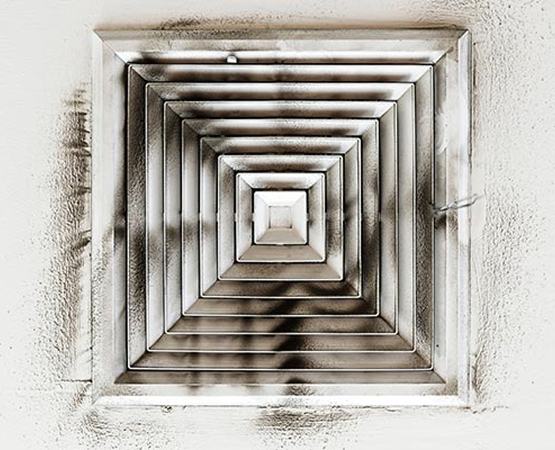
Why Smoke Damage Cleanup Becomes Necessary in Bayfront Homes in North Miami High-Rise Condos
Living in a high-rise condo overlooking the bay in North Miami offers beautiful views, steady ocean breezes, and convenient city living. But many condo owners are surprised to learn that smoke damage is a relatively common issue in these buildings. Even small incidents—like a minor kitchen fire, an electrical problem, or smoke traveling from another unit—can leave behind residue that affects walls, ceilings, air systems, and personal belongings.
Smoke damage isn’t always dramatic or obvious. In many cases, the damage is subtle at first but worsens over time if cleanup isn’t handled properly. Understanding why smoke damage cleanup becomes necessary in bayfront condos can help property owners prevent long-term issues and protect indoor air quality.
What Smoke Damage Really Is
Smoke damage is more than a lingering odor. When materials burn, even briefly, they release microscopic particles that travel through the air and settle on surfaces throughout the home.
In high-rise condos, smoke particles often accumulate on:
- Walls and ceilings
- Air vents and duct interiors
- Cabinets and countertops
- Furniture and flooring
- Curtains, fabrics, and insulation
These particles are acidic and can gradually discolor surfaces, corrode finishes, and leave persistent odors if not removed properly.
Why This Happens So Often in North Miami Bayfront Condos
Smoke damage tends to spread more easily in high-rise buildings than in single-family homes. Several factors contribute to this.
Shared ventilation systems
In some buildings, air circulation allows smoke to travel between units or into hallways.
Stack effect in tall buildings
Warm air rises, carrying smoke upward through elevator shafts, stairwells, and wall cavities.
Compact interior layouts
Condos often have less separation between living areas, allowing smoke to spread quickly.
Coastal humidity
High humidity near the bay causes smoke residue to cling more firmly to surfaces and materials.
Salt air exposure
Salt in coastal air can accelerate the breakdown of materials already affected by smoke residue.
These conditions are common in North Miami Beach, Sunny Isles Beach, Aventura, and Surfside, where many buildings are located close to the water.
Common Signs Homeowners Notice
Smoke damage isn’t always obvious immediately after an incident. Many condo owners notice subtle changes days or weeks later.
Typical signs include:
- A persistent smoky or burnt odor
- Yellowing or gray discoloration on ceilings
- Residue around vents or light fixtures
- Lingering smell when the air conditioner runs
- Slight irritation in enclosed rooms
These symptoms often indicate that smoke particles have settled in hidden areas or HVAC systems.
Hidden or Overlooked Sources of Smoke Residue
One of the biggest challenges in smoke cleanup is that residue often settles in areas that aren’t visible.
Common hidden locations include:
Inside air ducts and return vents
Air movement distributes particles throughout the unit.
Behind cabinets and appliances
Smoke particles settle in small gaps and corners.
Inside wall cavities
Odors can persist when smoke penetrates porous materials.
Closets and storage areas
Limited airflow allows residue to linger longer.
Ceiling textures and insulation
Porous surfaces absorb smoke and hold odors.
Professional inspections often reveal contamination in areas homeowners would never suspect.
Why DIY Smoke Cleanup Often Falls Short
Many people try to clean smoke damage themselves using household cleaners. While wiping surfaces may improve appearance temporarily, it usually doesn’t eliminate the underlying residue.
Common DIY limitations include:
- Odors returning after a few days
- Residue left in ducts or hidden surfaces
- Cleaning products spreading soot instead of removing it
- Moisture from cleaning increasing humidity in enclosed spaces
Because smoke particles are extremely fine, specialized cleaning methods are often needed to fully remove them.
Professional Smoke Damage Inspection Explained
A professional inspection helps determine the extent of contamination and which materials are affected.
In North Miami high-rise condos, inspections typically include:
- Surface testing and residue evaluation
- Air quality checks when necessary
- Inspection of HVAC systems and ducts
- Examination of ceilings, vents, and hidden cavities
Professionals familiar with coastal conditions, such as Tip Top Water and Fire Damage Restoration, often focus on areas where humidity and airflow patterns allow smoke to linger the longest.
Proper Smoke Damage Cleanup Process
Effective smoke cleanup involves several steps designed to remove residue safely and prevent odors from returning.
Typical steps include:
Surface cleaning using specialized solutions to break down soot and residue
Air filtration and deodorization to remove airborne particles
Cleaning of vents and air pathways when needed
Removal of heavily contaminated materials in severe cases
Drying and humidity control to prevent odor reactivation
In coastal climates, controlling humidity is especially important, since moisture can reactivate smoke odors trapped in materials.
Water Damage and Fire Suppression Effects
Even small fires often involve some level of water exposure from sprinklers or extinguishers. Moisture combined with soot can create additional problems.
This may require:
- Water extraction or drying
- Cleaning of damp surfaces
- Mold prevention measures
- Structural drying of affected materials
Quick drying helps prevent secondary damage that can appear days or weeks after the incident.
Air Ducts, AC Systems, and Smoke Odors
Air conditioning systems play a major role in how smoke odors spread inside a condo.
Common HVAC-related issues include:
- Smoke particles settling inside ductwork
- Residue collecting on evaporator coils
- Odors circulating when the system runs
- Condensation combining with soot to create stubborn stains
Cleaning ducts and ensuring proper airflow often helps eliminate odors that seem to return repeatedly.
How to Prevent Long-Term Smoke Damage
While fires and smoke incidents cannot always be prevented, several steps can reduce long-term damage.
Helpful measures include:
- Addressing smoke exposure as soon as possible
- Cleaning affected surfaces promptly
- Running dehumidifiers to control moisture
- Servicing HVAC systems after smoke exposure
- Inspecting nearby areas where residue may have spread
Routine maintenance is particularly important in bayfront buildings where humidity levels remain high year-round.
Why Local Experience Matters
Smoke cleanup in coastal high-rise buildings requires knowledge of both building design and environmental conditions.
Professionals familiar with North Miami and nearby communities understand:
- How airflow moves between condo units
- How humidity affects odor absorption
- How salt air influences materials and finishes
- How high-rise ventilation systems distribute particles
This experience helps ensure cleanup is thorough and long-lasting, reducing the chance of odors returning weeks later.
Many condo owners in North Miami Beach, Aventura, and Sunny Isles Beach rely on experienced local companies such as Tip Top Water and Fire Damage Restoration when smoke damage occurs.
A Practical, Calm Next Step
Smoke damage can feel overwhelming, especially in a high-rise environment where the source may not even be inside your own unit. The most important step is addressing the issue early, before residue and odors become deeply embedded in materials.
With proper inspection, thorough cleaning, and humidity control, most smoke damage situations can be resolved effectively. Acting promptly helps protect indoor air quality, building materials, and the long-term comfort of your home.