
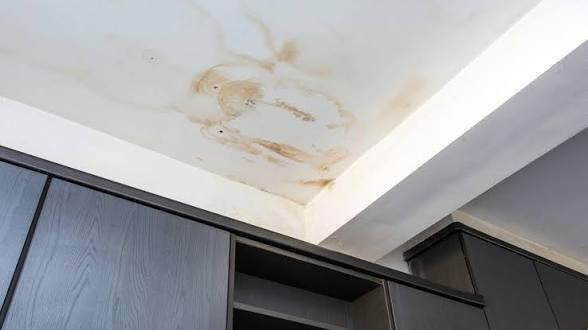
Explaining the Process of Mold Removal in Miami Shores
In Miami Shores, mold removal isn’t just about scrubbing a wall and repainting it. In a coastal environment where humidity lingers and storms are routine, mold remediation is a structured process built around moisture control, containment, and long-term prevention.
Many homes in Miami Shores are older, built on slab foundations, and surrounded by dense landscaping that traps moisture. Add in proximity to Biscayne Bay and year-round AC use, and you have conditions where mold can develop quietly behind walls or inside ceiling cavities.
If you’re a homeowner or property manager in Miami Shores, here’s what the mold removal process actually involves — step by step.
Understanding Why Mold Forms in Miami Shores
Before discussing removal, it’s important to understand what causes mold locally.
Common contributing factors include:
- High year-round humidity
- AC condensation problems
- Slab moisture migration
- Roof leaks after storms
- Poor attic ventilation
- Window seal gaps during wind-driven rain
- Plumbing leaks beneath slab foundations
In Miami Shores, mold often appears without a dramatic flood. It may begin with minor, repeated moisture exposure combined with high humidity.
That’s why the process always starts with identifying moisture.
Step 1: Moisture Detection and Source Identification
Mold does not grow without moisture. The first and most important step is locating the source.
Professionals use tools such as:
- Moisture meters to measure dampness inside drywall
- Thermal imaging cameras to detect hidden water behind walls
- Hygrometers to measure indoor humidity levels
- Slab leak detection equipment when necessary
In Miami Shores homes, common hidden sources include AC drain pan leaks, duct condensation in hot attics, and small plumbing leaks beneath concrete slabs.
If the moisture source is not corrected first, mold will return — even after thorough removal.
Step 2: Stabilizing Indoor Humidity
South Florida’s climate plays a major role in mold removal.
Before remediation begins, indoor humidity must be reduced. Dehumidifiers are often used to bring levels down to a safer range, typically between 45% and 55%.
If humidity remains elevated during remediation:
- Spores spread more easily
- New growth can activate
- Drying times increase
Stabilizing the environment makes removal safer and more effective.
Step 3: Containment of Affected Areas
Containment prevents mold spores from spreading to clean areas of the home.
Plastic barriers are installed around the affected space. Negative air machines create controlled airflow, pulling contaminated air through high-efficiency filters before releasing it outside.
In Miami Shores homes with open layouts, containment is especially important to protect adjacent rooms.
In rental properties, proper containment also minimizes disruption for tenants.
Step 4: Air Filtration During Removal
Air scrubbers operate continuously during the remediation process.
These machines capture airborne spores, dust, and microscopic debris disturbed during removal.
Because AC systems in Miami Shores often run year-round, HVAC units may be temporarily sealed or shut down to prevent spore circulation during this phase.
Step 5: Removal of Contaminated Materials
Not all building materials can be saved.
Porous materials such as:
- Drywall
- Insulation
- Ceiling texture
- Carpet padding
may require removal if mold growth is embedded.
Non-porous materials like tile, concrete, or metal can often be cleaned and restored.
In older Miami Shores homes, wood framing is sometimes exposed during removal to ensure contamination has not spread beyond visible surfaces.
Step 6: Cleaning Structural Surfaces
After contaminated materials are removed, exposed structural components are cleaned.
This may include:
- Wood studs
- Subflooring
- Concrete slab surfaces
- Interior framing
Cleaning methods are chosen based on material type and severity of contamination.
The goal is to eliminate residual spores while preserving structural integrity.
Step 7: HVAC and Duct Evaluation
In Miami Shores, AC systems are frequently involved in mold cases.
Common HVAC-related contributors include:
- Clogged condensate drain lines
- Rusted drain pans
- Leaky ductwork pulling humid attic air
- Insufficient duct insulation causing condensation
If mold growth is near the air handler or inside duct insulation, cleaning or repairs may be necessary.
Failure to address HVAC involvement often leads to recurring odor and spore circulation.
Step 8: Structural Drying and Moisture Verification
If the mold source involved water intrusion, structural drying may be required.
Industrial dehumidifiers and air movers reduce moisture in:
- Framing
- Adjacent drywall
- Subfloor materials
- Ceiling cavities
Moisture levels are checked regularly to confirm safe readings before rebuilding begins.
In Miami Shores’ humid environment, drying must be verified — not assumed.
Step 9: Restoration and Rebuilding
Once moisture is stabilized and contaminated materials are removed, reconstruction can begin.
This may involve:
- Installing new drywall
- Replacing insulation
- Repainting
- Repairing flooring
Rebuilding only proceeds after confirming that humidity and moisture levels are controlled.
Common Mistakes to Avoid
From experience in Miami Shores and nearby North Miami and Biscayne Park, common errors include:
- Painting over mold
- Cleaning without containment
- Ignoring AC-related moisture
- Rebuilding before drying is complete
- Skipping attic inspection
These shortcuts often lead to recurrence within months.
Long-Term Prevention in Miami Shores
After mold removal, prevention is critical.
Property owners should:
Maintain indoor humidity between 45% and 55%
Schedule AC maintenance twice per year
Flush condensate drain lines regularly
Inspect attic ventilation annually
Seal windows and exterior penetrations
Monitor slab moisture after heavy rains
Install smart leak detection devices
Storm season inspections are especially important due to wind-driven rain and roof stress.
Why Local Experience Matters
Mold removal in Miami Shores differs from inland cities because:
- Coastal humidity slows natural drying
- Salt air accelerates metal corrosion
- Slab foundations retain moisture
- Attic heat intensifies duct condensation
Understanding these local factors allows for more complete remediation.
Tip Top Water and Fire Damage Restoration has worked in Miami Shores homes where minor AC drain issues combined with high attic humidity created recurring mold until ventilation and insulation were corrected.
Local environmental awareness improves long-term results.
A Practical Takeaway
Mold removal in Miami Shores is not a quick surface cleaning. It’s a structured process designed to remove contamination, correct moisture conditions, and prevent recurrence.
The key principles are:
- Identify the moisture source
- Stabilize humidity
- Contain affected areas
- Remove compromised materials
- Verify dryness before rebuilding
In a coastal community where humidity is constant, successful mold removal depends on managing the environment — not just the visible growth.
Handled thoroughly, mold can be eliminated safely and prevented from returning. In Miami Shores, proactive moisture control is the foundation of lasting remediation.