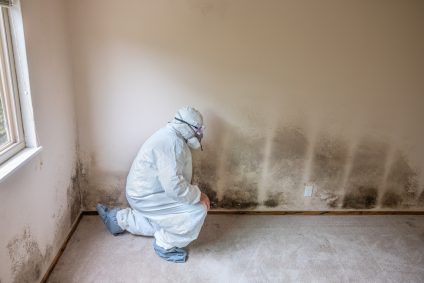
Explaining the Process of Mold Remediation in North Miami Beach
Mold problems are a frequent concern for homeowners and property managers in North Miami Beach. The coastal climate, high humidity, and year-round air conditioning create conditions where moisture can linger inside walls, ceilings, and flooring. When moisture remains trapped, mold growth can begin quickly and spread before it’s even noticed.
Understanding the process of mold remediation helps property owners know what to expect and why each step is important. Proper remediation isn’t just about removing visible mold—it’s about restoring safe conditions and preventing the problem from returning.
What Mold Remediation Is in Real Homes
Mold remediation is a structured process designed to locate mold growth, correct the moisture source, remove contamination, and restore indoor conditions.
In North Miami Beach homes and condos, mold is often found in:
- Drywall and ceilings
- Air ducts and HVAC components
- Carpet padding and subfloors
- Closets and storage spaces
- Attics and insulation
Because mold often develops in hidden areas, remediation usually begins with a thorough inspection.
Why Mold Problems Are So Common in North Miami Beach
Several local environmental factors make mold more likely in this region.
High humidity levels allow moisture to remain in building materials longer.
Frequent storms and heavy rain increase the risk of water intrusion.
Warm temperatures accelerate mold growth.
Air conditioning condensation can create hidden damp areas.
Coastal air exposure slows drying in enclosed spaces.
Nearby communities such as Sunny Isles Beach, Aventura, Bal Harbour, and Surfside experience similar conditions, especially in properties close to the water.
Common Signs Homeowners Notice
Many mold problems begin subtly, and early signs are often overlooked.
Typical warning signs include:
- A persistent musty odor
- Discoloration on walls or ceilings
- Peeling paint or bubbling drywall
- Damp areas near vents or baseboards
- Increased indoor humidity
These signs often indicate moisture problems that require investigation before mold spreads further.
Hidden or Overlooked Sources of Moisture
Mold remediation often becomes necessary because moisture develops in areas that aren’t visible during daily routines.
Common hidden sources include:
Slow plumbing leaks inside walls
Even minor leaks can saturate drywall and insulation.
Clogged AC drain lines
Condensation may overflow into ceilings or closets.
Roof or flashing leaks
Small leaks can dampen attic insulation over time.
Condensation on poorly insulated ducts
Moisture forms when warm air contacts cold duct surfaces.
Window or door seal failures
Coastal weather can gradually weaken seals.
Identifying these sources is essential before remediation begins.
Why DIY Mold Removal Usually Fails
Many homeowners attempt to clean mold themselves using household cleaners. While this may improve appearance temporarily, it rarely addresses the underlying cause.
DIY cleanup often fails because:
- Moisture sources are not corrected
- Mold inside walls or ducts remains untreated
- Cleaning spreads spores to nearby areas
- Surfaces are not dried completely
In humid climates like North Miami Beach, mold can return quickly if moisture is still present.
Professional Mold Inspection and Testing Explained
The first step in remediation is a professional inspection to determine the extent of contamination.
Inspections typically include:
- Moisture meter readings in walls and ceilings
- Thermal imaging to locate hidden damp areas
- Inspection of HVAC systems and ducts
- Attic and crawl space evaluation
- Surface or air sampling when needed
These steps help create a clear plan for remediation and ensure all affected areas are identified.
Companies experienced in local conditions, such as Tip Top Water and Fire Damage Restoration, often find that hidden moisture extends beyond the areas where mold is visible.
The Mold Remediation Process Step by Step
Once inspection is complete, remediation follows a structured process.
1. Containment of affected areas
Containment barriers help prevent mold spores from spreading to other parts of the home.
2. Air filtration
Air filtration equipment removes airborne spores and improves indoor air quality during remediation.
3. Removal of contaminated materials
Heavily damaged drywall, insulation, or flooring may need to be removed.
4. Cleaning and treatment
Structural surfaces are cleaned and treated to remove residue and prevent regrowth.
5. Drying and dehumidification
Air movers and dehumidifiers remove moisture from building materials.
6. Final inspection and verification
Moisture levels are checked to confirm conditions are stable.
Each step is important to ensure mold does not return.
Water Removal and Structural Drying
Mold remediation often involves water removal and drying, especially when mold develops after leaks or flooding.
Drying may include:
- Extracting standing water
- Drying wall cavities and subfloors
- Reducing humidity levels
- Monitoring moisture over several days
Thorough drying is one of the most critical parts of the process in coastal climates.
Air Ducts, AC Systems, and Mold
Air conditioning systems play a major role in moisture control but can also contribute to mold problems when maintenance is neglected.
Common HVAC-related concerns include:
- Condensation inside ducts
- Dirty evaporator coils
- Blocked condensate drain lines
- Poor airflow causing humidity buildup
Cleaning ducts and correcting moisture sources helps prevent mold from spreading through the air system.
How to Prevent Mold After Remediation
Once remediation is complete, preventive maintenance helps reduce the risk of recurrence.
Helpful steps include:
- Keeping indoor humidity below 60%
- Servicing AC systems regularly
- Cleaning drain lines periodically
- Inspecting roofs and plumbing after storms
- Addressing small leaks immediately
Routine inspections are especially useful in older homes across Miami Shores and Biscayne Park, where aging materials may be more vulnerable to moisture.
Why Local Experience Matters
Mold remediation in North Miami Beach requires understanding local weather patterns, construction methods, and humidity behavior.
Professionals familiar with the area understand:
- How coastal humidity affects drying times
- How storm patterns influence indoor moisture
- How slab foundations retain water
- How ventilation systems behave in high-rise buildings
This knowledge helps ensure remediation is thorough and long-lasting. Many property owners rely on experienced local providers such as Tip Top Water and Fire Damage Restoration for this reason.
A Practical, Calm Next Step
Mold problems can feel overwhelming, but most situations can be resolved effectively when handled early. Identifying moisture sources, drying affected materials thoroughly, and maintaining proper humidity levels are the keys to preventing long-term damage.
For homeowners and property managers in North Miami Beach and surrounding communities, staying proactive about moisture control is one of the most reliable ways to protect both property and indoor air quality.
A careful inspection and a well-planned remediation process can restore safe conditions and help ensure mold does not return.