
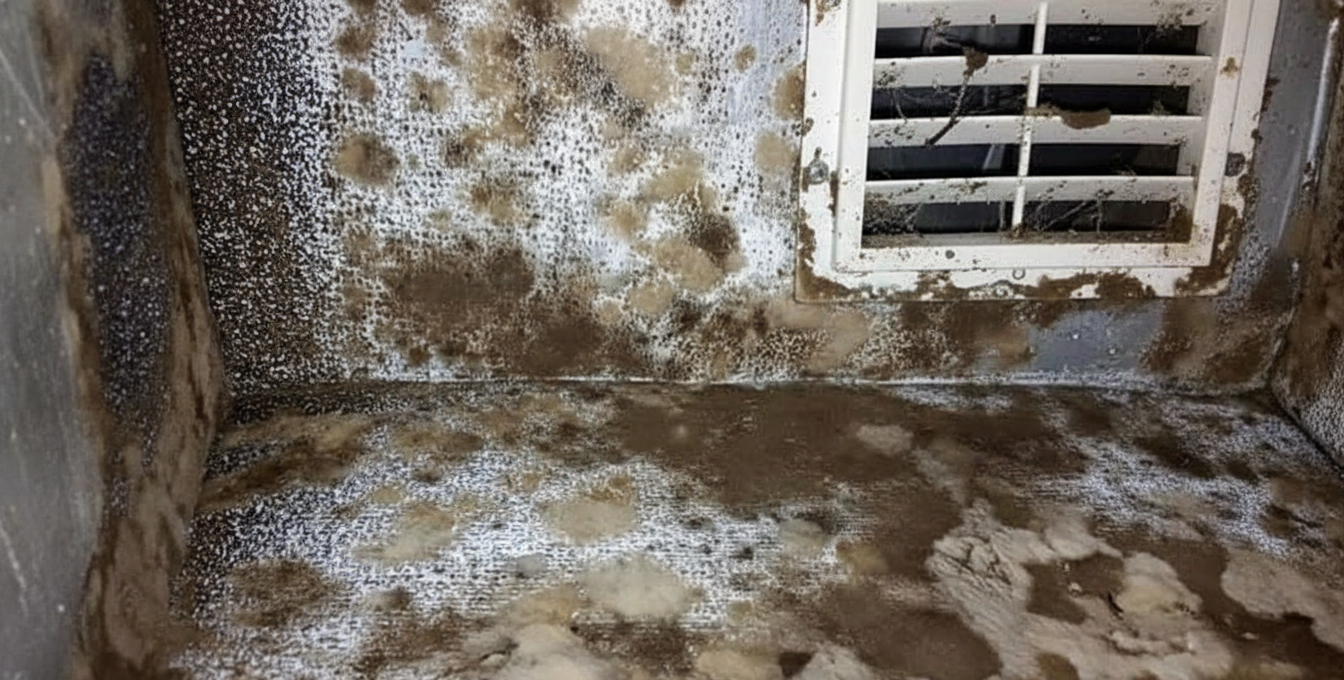
How Coastal Weather Influences Mold Testing in Sunny Isles Beach
Sunny Isles Beach offers ocean views, modern high-rise living, and easy access to coastal attractions, making it one of the most desirable communities in North Miami. Yet the same coastal environment that attracts residents also creates ongoing challenges for property owners, particularly when it comes to moisture and mold issues.
In many cases, mold growth in Sunny Isles Beach homes and condominiums develops quietly, long before visible signs appear. Residents may assume their homes are safe simply because no flooding or major leak has occurred. However, coastal weather patterns create conditions where mold can develop even without dramatic water damage.
This is why professional mold testing has become an essential step in maintaining properties in coastal communities. Understanding how weather influences indoor moisture helps homeowners recognize risks and address problems before extensive repairs become necessary.
Understanding Mold and Why Testing Matters
Mold is a naturally occurring organism that thrives wherever moisture and organic materials are present. In homes, mold often grows on drywall, wood framing, insulation, carpeting, and other materials exposed to damp conditions.
Mold spreads through microscopic spores that travel through the air. When spores land on damp surfaces, colonies begin forming, often in hidden areas such as inside walls or ventilation systems.
Mold testing plays an important role because growth is not always visible. Professional testing helps identify:
• Hidden mold growth
• Moisture sources feeding colonies
• Indoor air quality concerns
• Areas requiring remediation
In Sunny Isles Beach, mold testing is often preventive rather than reactive, helping property owners catch problems early.
Why Mold Issues Are Common in Sunny Isles Beach
Coastal weather creates conditions that make mold growth more likely compared to inland areas. Properties near the ocean face constant exposure to moisture.
Several local factors contribute to mold development:
High humidity levels persist most of the year, keeping indoor spaces damp.
Ocean air carries moisture into homes through ventilation and small openings.
Frequent storms bring heavy rainfall that can introduce water intrusion.
Air conditioning systems run constantly, producing condensation that can accumulate if not properly drained.
High-rise buildings may experience ventilation challenges, allowing moisture to remain trapped indoors.
Nearby communities such as Bal Harbour, North Miami Beach, Surfside, and Aventura experience similar patterns, especially in waterfront properties.
Even new construction can face mold challenges if moisture management is inadequate.
Common Signs Homeowners Notice
Mold problems rarely begin with obvious dark patches on walls. Instead, subtle warning signs appear first, often overlooked by homeowners.
Common early indicators include:
• Persistent musty smells
• Condensation on windows or vents
• Rooms feeling humid despite AC use
• Peeling paint or discoloration
• Warping baseboards or flooring edges
• Allergy-like symptoms indoors
Because these symptoms resemble normal humidity effects, many residents delay inspections until problems worsen.
Hidden Moisture Sources in Coastal Properties
Professional mold inspections in Sunny Isles Beach frequently reveal moisture problems in areas homeowners rarely inspect.
Common hidden sources include:
• Air conditioning drain line leaks
• Damp insulation in ceilings or walls
• Bathroom fans venting into enclosed spaces
• Plumbing leaks inside walls
• Window and balcony door seal failures
• Minor roof leaks after storms
Moisture can remain trapped for months, allowing mold to spread behind surfaces without detection.
Why DIY Mold Removal Often Fails
Homeowners sometimes attempt to remove mold using household cleaners or by repainting affected areas. While this may temporarily improve appearance, it rarely addresses the root cause.
DIY cleanup often fails because:
• Hidden moisture remains active
• Mold extends behind walls or flooring
• Spores spread during improper cleaning
• HVAC systems continue circulating contamination
Professional testing identifies moisture sources so remediation addresses the entire problem, not just surface growth.
How Professional Mold Testing Works
Professional mold testing involves more than simply looking for visible stains. Specialists evaluate how moisture behaves throughout the property.
A professional approach typically includes:
• Moisture meter readings in walls and floors
• Thermal imaging to locate hidden damp areas
• Air sampling to measure mold spore levels
• Surface sampling in suspected locations
• Inspection of HVAC and ventilation systems
Testing helps determine whether mold growth is active and how far contamination has spread.
Accurate testing allows remediation efforts to be targeted and effective.
Mold Remediation After Testing
If mold is confirmed, remediation focuses on removing contamination and preventing regrowth.
Typical remediation steps include:
• Containment of affected areas
• Removal of damaged materials
• Industrial drying and dehumidification
• Cleaning and disinfecting surfaces
• Repairing affected structures
Proper containment prevents mold spores from spreading during cleanup.
Because coastal humidity remains high, moisture control improvements often follow remediation to prevent recurrence.
Flooding and Water Damage Influence
Storm surge, plumbing failures, or heavy rainfall events can introduce large amounts of moisture into coastal homes.
Flood restoration professionals remove standing water and dry affected areas, but mold testing ensures hidden moisture has not remained behind walls or flooring.
Even small amounts of leftover moisture can support mold growth in Sunny Isles Beach’s warm environment.
Testing helps confirm that drying efforts were successful.
HVAC Systems and Mold Spread
Air conditioning systems play a critical role in mold development and prevention.
Common HVAC-related mold issues include:
• Condensation buildup inside ducts
• Dirty coils holding moisture
• Clogged drain pans
• Uneven airflow causing humidity pockets
Once mold develops inside duct systems, spores spread throughout the home whenever the system operates.
Duct inspection and cleaning often become part of mold remediation projects.
Preventing Mold Problems in Coastal Homes
Although coastal humidity cannot be eliminated, homeowners can reduce mold risks through regular maintenance.
Preventive strategies include:
• Routine AC maintenance and drain line cleaning
• Prompt repair of leaks
• Using dehumidifiers in problem areas
• Improving attic and bathroom ventilation
• Scheduling periodic moisture inspections
Preventive maintenance reduces the likelihood of expensive remediation later.
Why Local Experience Matters
Mold problems behave differently in coastal environments compared to inland areas. Professionals familiar with Sunny Isles Beach and North Miami understand how humidity, storms, and building designs influence mold growth.
Local restoration specialists such as Tip Top Water and Fire Damage Restoration regularly address moisture and mold challenges throughout Sunny Isles Beach and nearby coastal communities. Their local experience allows inspections and solutions to reflect real environmental conditions rather than generic approaches.
Understanding local building patterns helps ensure mold issues are properly addressed.
A Practical Next Step for Homeowners
If you notice persistent humidity, musty odors, or signs of moisture problems, scheduling mold testing can help prevent long-term damage.
Mold testing is not only for emergencies. In coastal communities like Sunny Isles Beach, it is part of smart property maintenance. Early inspection helps protect structural integrity, maintain indoor comfort, and reduce future restoration costs.
By understanding how coastal weather influences moisture inside homes, property owners can take proactive steps to keep their homes safe and comfortable despite the ongoing challenges of coastal living.